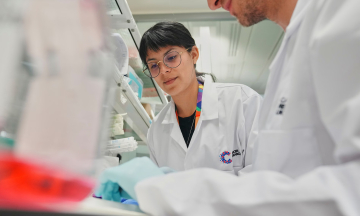
On 23/3, authorities searched and sealed the laboratory system at Unicamp's Faculty of Food Engineering (FEA), arresting professor Soledad Palameta Miller. Investigators recovered all biological materials 40 days after their disappearance. Police found the virus samples in three different locations, including a freezer and mixed with ordinary waste, but authorities have not recorded any pathogen leakage into the environment.
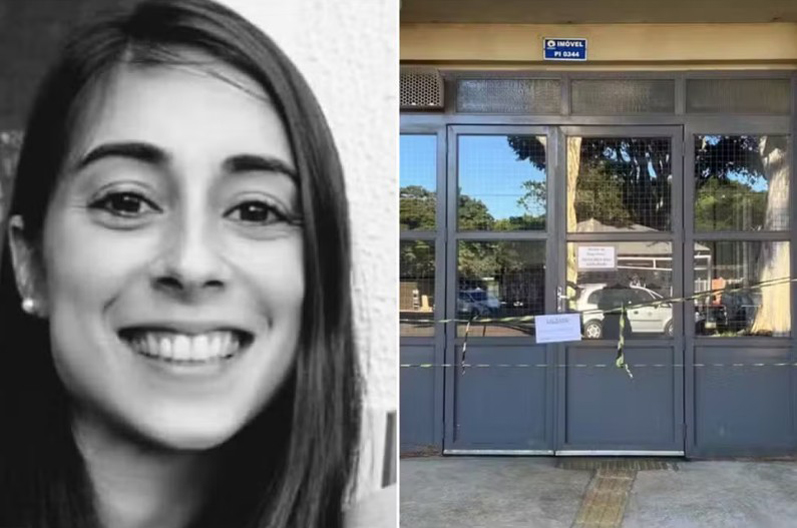 |
Professor Soledad Palameta Miller, suspect in the virus sample theft from a Unicamp laboratory. Photo: *G1* |
The theft was discovered on the morning of 13/2 by a researcher at the Animal Virology Laboratory. The stolen samples belonged to the research collection of professor Clarice Weis Arns. Investigators determined that Miller did not have her own laboratory and lacked access to the original storage area. The professor enlisted the help of a graduate student to access and remove the virus containers. The suspect then transported the infectious material about 350 meters within the campus without using any specialized containment equipment or security locks.
Authorities have charged the Argentina-born lecturer, who has worked at FEA since 8/2025, with theft, endangering public health, and illegally transporting genetically modified material. A judge has allowed the suspect bail pending trial. Police are also extending the investigation to her husband, veterinarian Michael Edward Miller. Authorities have not yet clarified the motive for the theft and have handed over all seized evidence to Brazil's Ministry of Agriculture and Livestock.
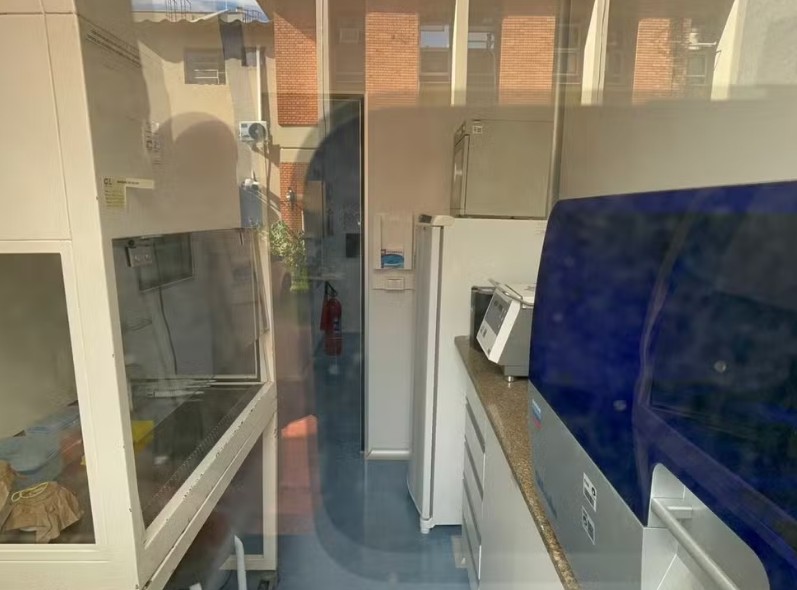 |
Virology laboratory at the Institute of Biology, Unicamp. Photo: *Estevao Mamedio/g1* |
Infectious disease expert Paulo Gewehr from the Brazilian Society of Immunology stated that the incident exposed biosafety management flaws. He warned that transporting biological agents outside established procedures could lead to cross-contamination for the perpetrator and poses a risk of pathogen spread, directly threatening community lives. Experts also recalled the 1967 Marburg virus tragedy in germany to emphasize the consequences of disregarding safety standards.
A representative from the university of Campinas affirmed that the institution is collaborating closely with the PF and the National Health Surveillance Agency (Anvisa) to address the incident. Brazil currently operates research facilities meeting international BSL-3 standards and expects to complete its first maximum biosafety level (BSL-4) laboratory in 2027.
By Binh Minh (According to *G1, Zero Hora, Veja*)