TRACERx, a large-scale study funded by Cancer Research UK, has mapped how lung cancer forms, changes, and evades treatment over time. This 9-year project, which began in 2014, involved scientists monitoring tumors as constantly evolving ecosystems. They observed diverse cancer cell populations coexisting, competing, and evolving, an approach that helped them understand why lung cancer is challenging to treat and prone to recurrence after intervention.
One of the most significant findings from TRACERx is that many lung cancers share a common characteristic: genetic defects emerge very early. This discovery suggests a crucial window for intervention. If the immune system could be "trained" to recognize these abnormal signals from the outset, precancerous cells could be eliminated before developing into tumors.
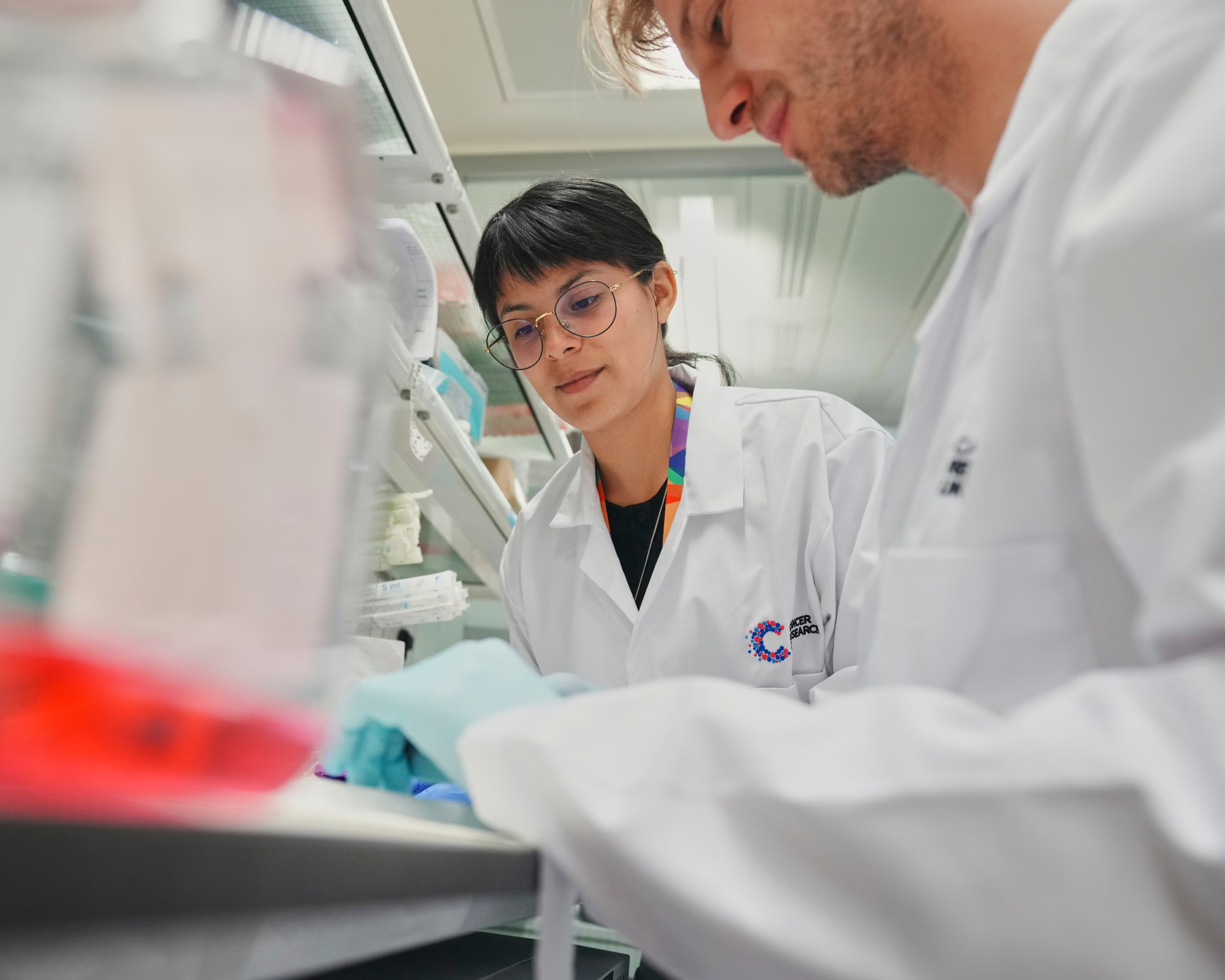 |
Experts working in a laboratory to discover the mechanisms of lung cancer formation. Photo: *Cancer Research UK* |
This idea led to the creation of LungVax, a pioneering vaccine. LungVax is designed to help the immune system identify these abnormal signs in the precancerous stage, eliminating them before they can develop into tumors. Unlike traditional cancer treatments that intervene once the disease has formed, this innovative approach aims to prevent the disease from its earliest stages.
The lung cancer vaccine is currently in its early stages and requires further clinical trials to assess its safety, efficacy, and practical application. However, stemming from a study tracking tumor evolution, TRACERx is opening a new direction: not just treating existing lung cancer, but finding ways to halt the disease even before it forms.
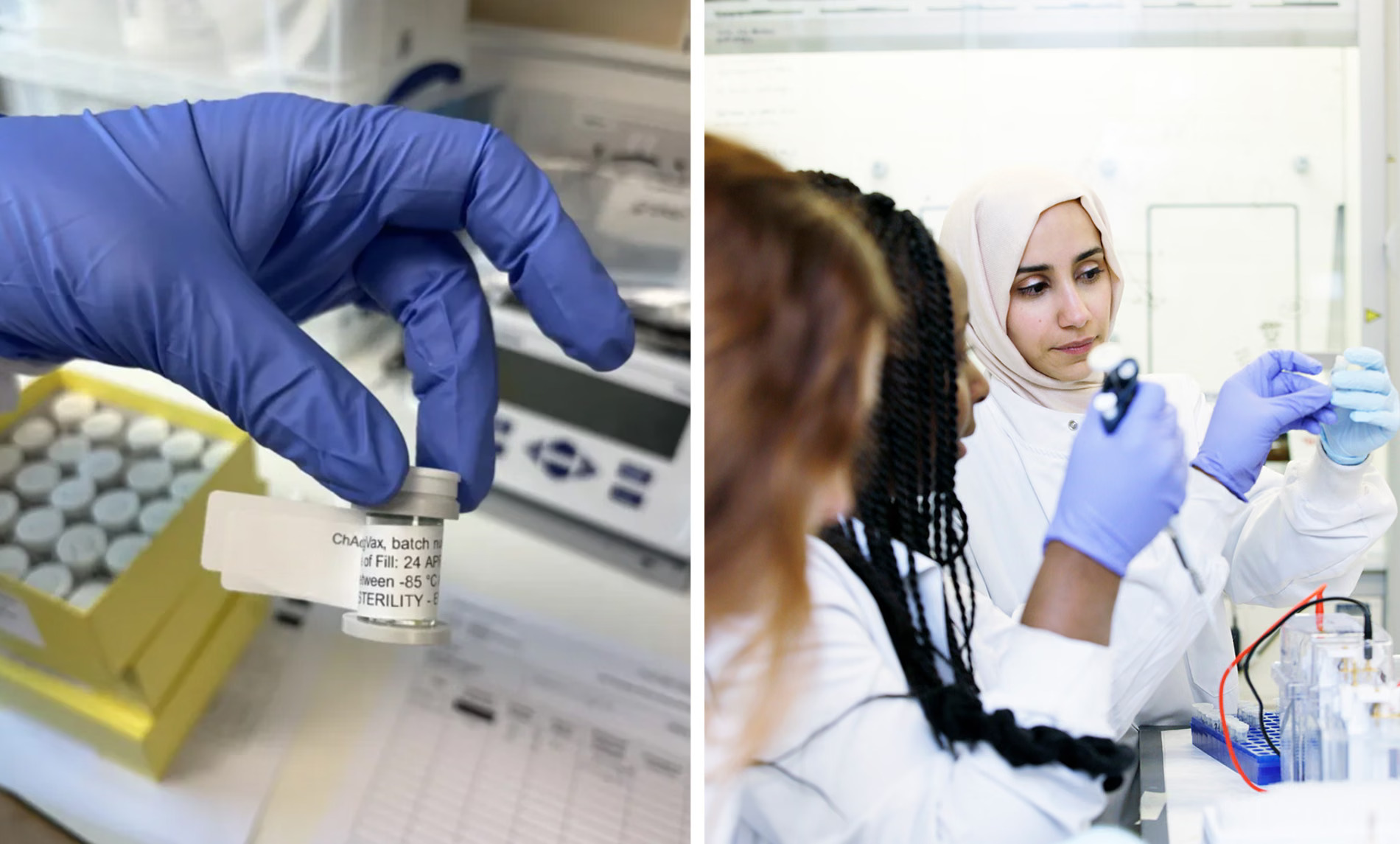 |
Preparing a lung cancer vaccine in the laboratory. Photo: *Cancer Research UK* |
Beyond the vaccine, TRACERx also paves the way for other applications in cancer research. For example, researchers developed a blood test capable of detecting early signs of cancer recurrence, a method expected to be more effective than the most sensitive imaging diagnostics. Additionally, experts continue to investigate the role of air pollution, cancer-promoting mutations, and the potential to select more suitable drugs for individual patients.
Van Ha (According to Guardian)