According to nutritionist Nguyen Trung Hieu from the Department of Nutrition at Tam Anh General Hospital Hanoi, men's daily eating habits significantly impact sperm quality, testosterone levels, and sexual function. An unbalanced diet, rich in processed foods and alcohol, can lead to reduced libido, an increased risk of erectile dysfunction, and even infertility. Below are common nutritional mistakes men often make.
consuming unhealthy fats
Fried foods, fast food, and fatty red meats contain high amounts of saturated and trans fats. Nutritionist Hieu notes that frequent consumption of these foods can elevate bad cholesterol, lead to atherosclerosis, and reduce blood flow to the genital organs, thereby increasing the risk of erectile dysfunction. Furthermore, obesity resulting from a high-fat diet can lower testosterone levels, the most crucial hormone for male reproductive health.
regular alcohol consumption
Frequent, especially heavy, alcohol consumption can adversely affect male reproductive health. Alcohol impacts the hypothalamus, pituitary gland, and testes—the organs that regulate sex hormones—leading to reduced testosterone and altered hormone balance. Prolonged alcohol abuse can also damage testicular cells, decrease sperm quality and count, and heighten the risk of infertility or difficulty conceiving.
 |
consuming excessive alcohol over a long period can affect reproductive health. Photo: Khac Son
high sugar intake
A high intake of sugar, sweets, sugary carbonated drinks, and refined carbohydrates causes rapid blood sugar spikes, which can stimulate elevated insulin levels and decrease testosterone. A diet high in sugar, combined with overweight, obesity, and a sedentary lifestyle, can also lead to type 2 diabetes, a primary cause of reduced sexual function and sperm quality in men.
eating insufficient fruits and vegetables
Many men consume few vegetables and fruits, leading to deficiencies in essential nutrients for sperm production and testosterone maintenance, such as vitamin D, zinc, selenium, and folate. Vitamin D is linked to testosterone function, immunity, and vascular health.
irregular eating times
Erratic eating habits, frequent late-night meals, or skipping breakfast disrupt the body's circadian rhythm, increasing cortisol (a stress hormone) and decreasing sex hormones. Overeating in one meal can also cause fatigue, reduce blood circulation, and temporarily affect performance.
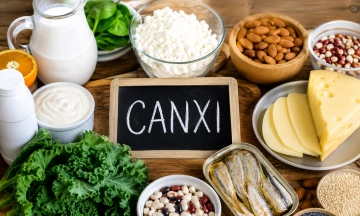
Nutritionist Hieu advises that to protect reproductive health, men should prioritize a diet rich in vegetables, fresh fruits, lean protein from fish, eggs, white meat, nutritious nuts, and seafood to supplement zinc and selenium. Concurrently, men should minimize alcohol, fried foods, fast food, and refined sugar, while maintaining a healthy weight.
Van Anh
| Readers can submit questions about cardiovascular disease here for a doctor's response. |