Many people believe that only cold weather causes joint pain. In reality, prolonged heat, dehydration, and certain unsuitable lifestyle habits can also exacerbate symptoms, especially in individuals with arthritis or osteoarthritis, according to doctor Hoang Quyet Tien from the Medical Information Center, Tam Anh General Hospital, TP HCM.
**Constant use of air conditioners or fans**
Staying in an air-conditioned room continuously or having a fan blow directly on you can increase muscle spasms and constrict blood vessels, heightening feelings of pain, numbness, and tingling in limbs. For those already suffering from arthritis or osteoarthritis, maintaining a low room temperature for extended periods can also reduce blood circulation to the joints, leading to more pronounced joint stiffness in the early morning or at night.
Doctor Tien advises maintaining room temperatures between 26-28 degrees C, with no more than a 5-7 degree C difference from the outside temperature. Avoid direct cold drafts on the body for long durations, especially on the head, face, nape, or any injured joints. Position fans one-two m away from your body.
After every 4-5 hours of air conditioner use, particularly after the peak heat hours of the day (around 10h-16h), open windows to ventilate the room. Regularly clean air conditioners to prevent disease-causing virus and bacteria, and choose cooling devices with air filtration and antibacterial features.
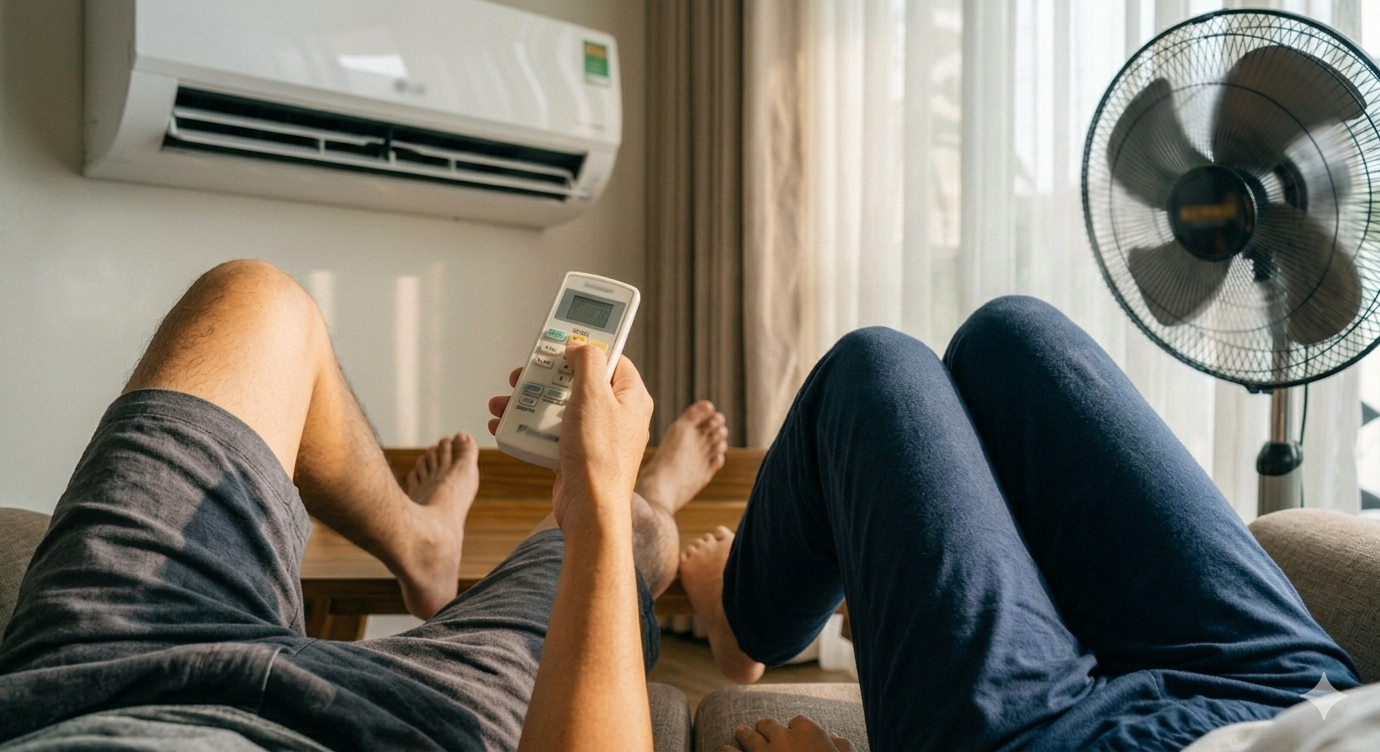 |
Improper use of cooling devices can increase joint pain. Image created by AI |
**Insufficient water intake**
Hot weather increases sweating, leading to dehydration. When the body lacks water, the amount of synovial fluid—the lubricant that helps joints move smoothly—also decreases. This increases friction between bone ends, accelerating cartilage damage and worsening symptoms of arthritis and osteoarthritis.
Excessive sweating also causes a loss of minerals and electrolytes, which can lead to symptoms like fatigue, sluggishness, muscle weakness, cramps, or increased aches.
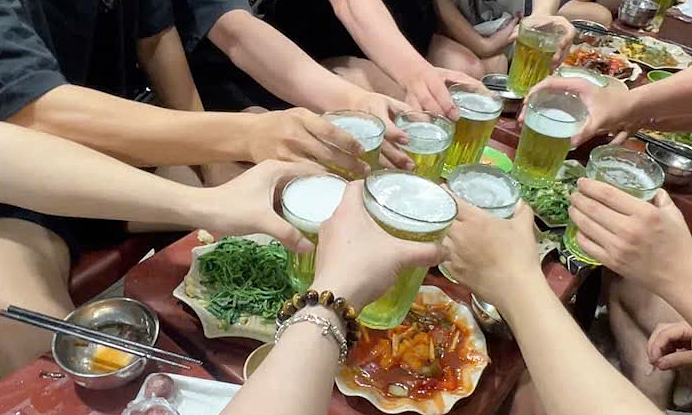
The habit of drinking cold beer or carbonated soft drinks to cool down in hot weather can cause dehydration, increase inflammatory responses, and intensify pain.
**Strenuous activity**
Summer is a time when many people travel, participate in outdoor activities, or grandparents care for grandchildren on summer break. A sudden increase in physical activity can overload weight-bearing joints such as the knees and spine. In individuals with existing arthritis or osteoarthritis, where joint cartilage is already damaged, repetitive pressure can accelerate cartilage erosion, promoting inflammation and post-activity pain.
Doctor Tien advises older adults or those with joint issues to maintain gentle stretching exercises and consider using joint support tools as directed by a doctor to reduce muscle tension and pressure during physical activity. Rest if pain increases after exercise.
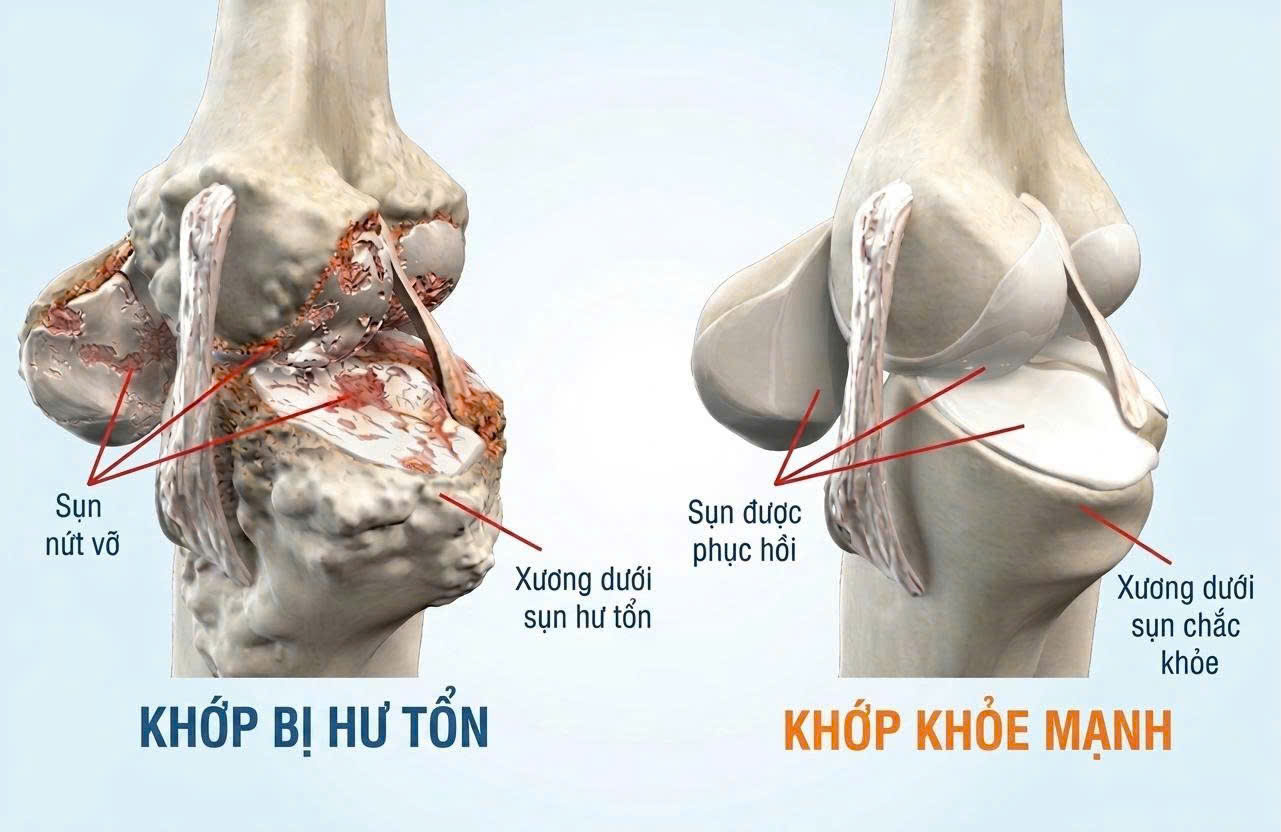 |
Simulation of healthy joints and joints damaged by inflammation and degeneration causing pain. Photo: Eco Pharmaceutical Joint Stock Company |
**Irregular eating habits**
Hot weather often reduces appetite, causing many to eat main meals superficially. Dehydration from high temperatures diminishes appetite and makes food less appealing. This leads to a deficiency of essential nutrients for both the body and joints.
A summer diet should prioritize fresh vegetables and fruits, as well as boiled or steamed dishes that are low in fat, light, easy to eat, and digestible.
According to doctor Tien, during hot days, people should manage their weight and exercise appropriately to alleviate joint pain. Supplementing with natural active ingredients such as undenatured collagen type two, collagen peptide, eggshell membrane, turmeric extract, and chondroitin sulfate can help regulate immunity, reduce inflammation, regenerate joint cartilage, slow down joint degeneration, and ease aches.
Thai Thanh