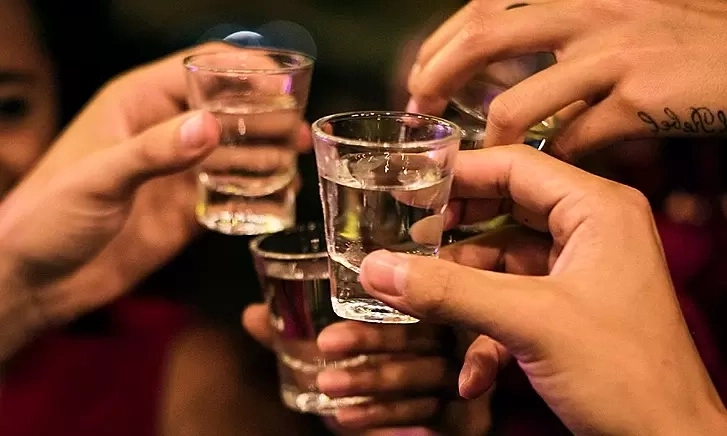
"My secret isn't innate alcohol tolerance; it's a lucky charm," Thanh, 40, said, showing a packet of hangover remedy he always carried. Before every party, the transport businessman from Yen Hoa ward would take one packet, aiming to "double his drinking capacity and provide absolute liver protection."
Upon returning home, he would take another packet to quickly detoxify. He believed "the medicine would create a protective barrier, neutralizing any alcohol consumed." Instead of drinking moderately, Thanh always drank without restraint, continuously.
"I felt reassured that the medicine had neutralized all the alcohol. I didn't feel tired, drunk, or dizzy upon waking," he stated.
Recently, Thanh experienced frequent dull pains in his right hypochondrium, accompanied by jaundice and insomnia. Test results at the Central Hospital for Tropical Diseases revealed he had advanced hepatitis B, cirrhosis, and liver enzymes 5 times higher than the permissible level. Doctors identified alcohol as the primary cause of these disorders.
 |
Hangover remedies are considered a "lucky charm" by many men. *Photo: Contributed*
Thanh's case is not unique in Vietnamese social drinking culture, where the market for hangover pills and drinks is booming with advertisements promising to "eliminate" alcohol levels and provide instant liver protection. Hung, 50, a construction project manager, also spent tens of millions of VND on imported remedies advertised to "accelerate" the liver enzyme system in processing toxins. Initially, the remedies kept him sober through 4-5 hour drinking sessions, encouraging him to drink more. Ultimately, he was rushed to the emergency room with acute alcohol poisoning, hypothermia, and exhaustion, despite his mind still believing he wasn't drunk.
According to medical experts and statistics, these remedies represent a dangerous "biological trap." In reality, these functional foods often contain vitamins B, C, succinic acid, or certain herbal extracts that alleviate uncomfortable symptoms like headaches and nausea – which are natural warning signals from the brain. When these signals are suppressed, drinkers mistakenly believe their bodies are safe and continue to consume alcohol beyond their tolerance.
Dr. Nguyen Duy Toan, from the Emergency Department at Duc Giang General Hospital, affirmed that these remedies do not "destroy" alcohol or rapidly accelerate the detoxification process. Instead, they place a double burden on the liver, which must process both the massive amount of alcohol and labor to excrete the chemical components from the hangover pills themselves.
From a scientific perspective, the human body is not a machine that can be infinitely overclocked. Approximately 90% of absorbed alcohol is metabolized in the liver through enzyme systems, primarily alcohol dehydrogenase (ADH) and aldehyde dehydrogenase (ALDH). This process converts ethanol into acetaldehyde – a substance 30 times more toxic than alcohol and the main cause of liver cell damage – before it is transformed into harmless compounds for excretion.
However, the liver's enzyme production capacity is limited. According to the World Health Organization (WHO) and metabolism studies, an average healthy liver can only process about one unit of alcohol (equivalent to 10g of pure ethanol, or 200 ml of beer, 75 ml of wine) per hour.
When alcohol intake exceeds the enzyme production rate, acetaldehyde accumulates in the blood, directly destroying liver cells and poisoning the nervous system, regardless of whether the drinker feels "sober." Dr. Nguyen Huy Hoang from the Vietnam Association of Underwater and Hyperbaric Medicine emphasized that no medicine can alter this biological rule. The detoxification rate also depends on complex variables such as genetics, age, weight, and stomach condition. Abusing these remedies to drink excessively is essentially forcing the body to accept toxins while its warning system is paralyzed, leading to risks of alcohol poisoning, acute liver failure, and severe cardiovascular complications.
Instead of seeking hangover remedies to "increase tolerance," the only way is to drink moderately, experts recommend. Before drinking, one should eat a light meal and avoid an empty stomach. Drink plenty of water during and after consuming alcohol. Avoid mixed drinks or alcohol of unknown origin.
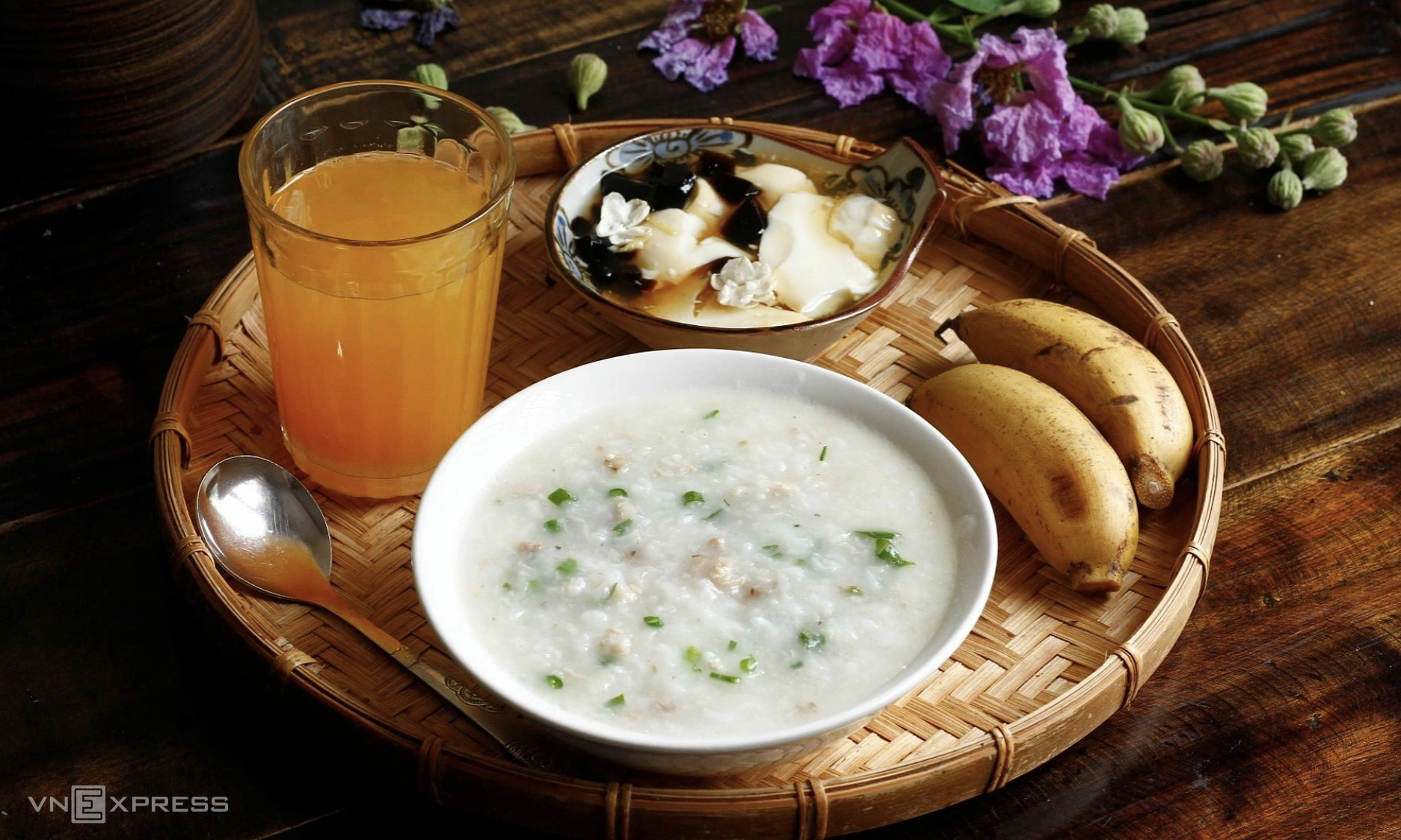
Citrus fruits and green vegetables help support the body. Get adequate rest after drinking. Absolutely do not drink more to "sober up quickly." The World Health Organization (WHO) advises that men should not consume more than 720 ml of beer, 300 ml of wine, or 60 ml of whisky daily. For women, these figures are 360 ml of beer, 150 ml of wine, or 30 ml of whisky. Children and adolescents should not consume alcohol.
If symptoms such as headache, abdominal pain, dizziness, hypothermia, low blood pressure, or blurred vision appear after drinking alcohol, immediate medical attention is necessary for timely examination and treatment.
Thuy An