Poor blood circulation is common among older individuals and can lead to serious health issues. This condition often manifests as cold limbs, numbness, swelling, and heavy legs. If not addressed promptly, poor circulation can progress to vascular disease, varicose veins, blood clot formation, or delayed wound healing. Maintaining physical activity is one of the most effective ways to support blood circulation.
The heel raise is a simple exercise that requires no equipment and can be performed almost anywhere, making it suitable for many individuals.
Heel raise exercises activate the calf muscles, thereby promoting venous blood return from the lower legs to the heart via the superficial and deep venous systems. As the calf muscles contract, they create a pumping action that supports more efficient blood flow. Conversely, prolonged sitting or standing, such as during desk work or long flights, hinders this mechanism, leading to blood stagnation in the lower limbs.
Regularly performing heel raises helps limit fluid accumulation and reduces ankle and lower leg swelling after prolonged sitting or standing. This is especially useful when mobility is restricted. The exercise also contributes to preventing joint stiffness, alleviating leg heaviness and discomfort, and supporting stable blood circulation in daily activities.
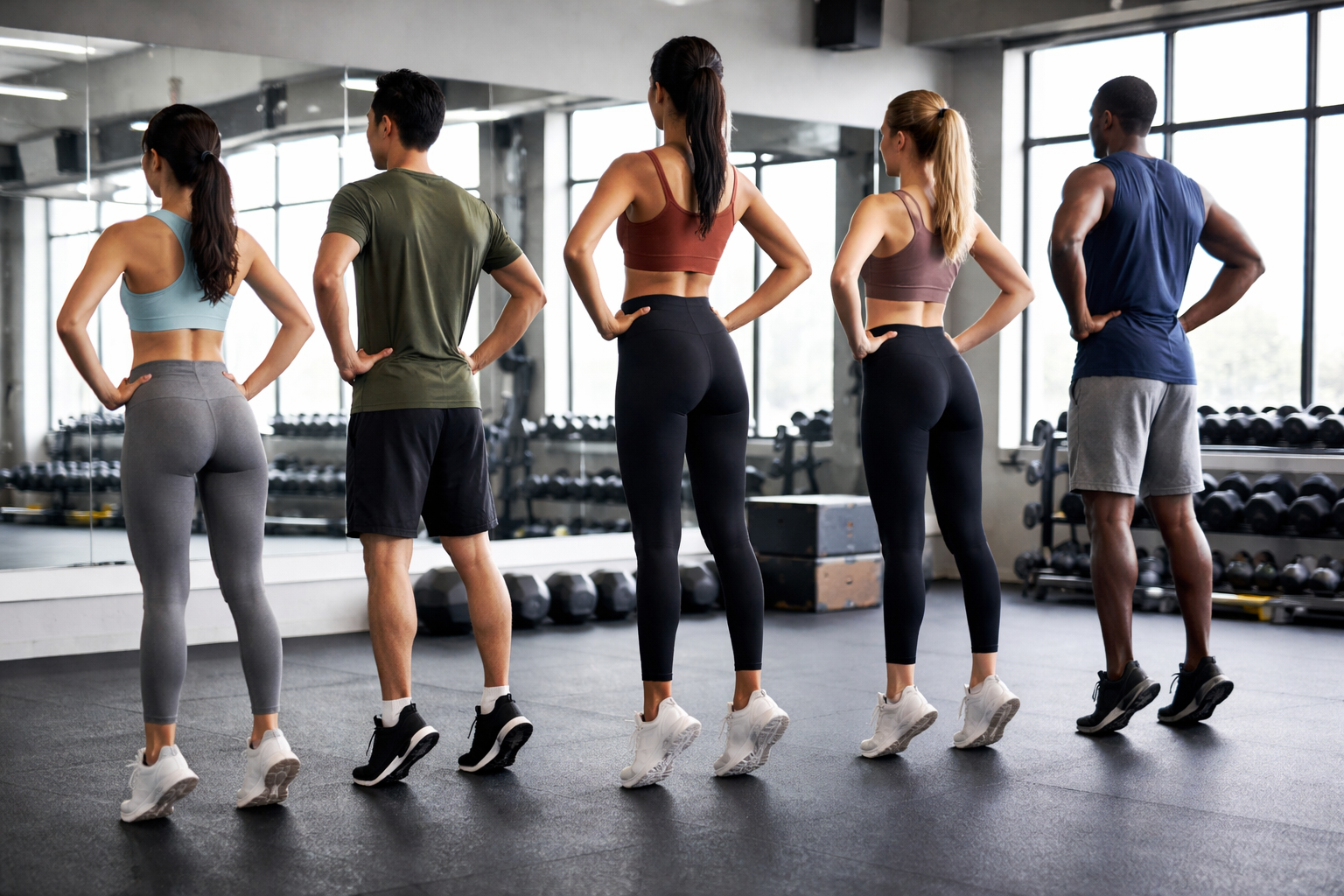 |
Heel raise exercises improve blood circulation and are beneficial for cardiovascular health. Image created by AI
How to perform when seated: Sit with a straight back, both feet flat on the floor, hip-width apart. Slowly lift your heels, hold the tip-toe position for a few seconds, then lower your heels back to the starting position.
How to perform when standing: Stand tall with your feet hip-width apart. Rise onto your tip-toes by lifting your heels off the floor, hold briefly, then slowly lower them. You can hold onto a chair or wall for balance if needed.
Individuals should perform this exercise frequently throughout the day, especially when sitting or standing for extended periods. You can do it about 10 times every few hours, or complete 2-3 sets of 15-30 repetitions, 3-4 days per week. When exercising, perform the movements slowly, with control, and hold the tip-toe position briefly at the highest point to maximize calf muscle activation.
Beyond exercise, to improve blood circulation, individuals should maintain a healthy weight. Excess weight, particularly abdominal fat, can put pressure on the circulatory system. When sitting for long periods, it is essential to regularly stand up, walk, or stretch to promote better blood flow. The diet should prioritize fruits, vegetables, whole grains, lean protein, and healthy fats, while limiting processed foods. Adequate hydration is also crucial for effective circulation.
By Le Nguyen (According to Times of India)
| Readers can submit cardiovascular questions here for a doctor's response. |