Dr. Doan Du Manh, a vascular and stroke specialist and Deputy Director of Phuong Dong General Hospital, explains that upon waking in the morning, the body is still transitioning from a sleep state, which can lead to a physiological increase in blood pressure. In winter, however, waking abruptly or getting up too quickly, combined with blood that has thickened overnight, can further elevate blood pressure.
"Suddenly changing environments, such as going outdoors, exercising, or bathing during this period, can cause blood pressure to rise even higher, posing a potential stroke risk," the doctor stated.
The temperature difference between a warm bedroom and the cold outdoor air also causes blood vessels to constrict suddenly, which can trigger dangerous cardiovascular events. This situation is particularly dangerous for individuals with underlying health conditions, a history of stroke, or cardiovascular disease.
Exercising in cold weather, especially between 5 AM and 6 AM, also poses health risks. During this time, the body constricts blood vessels to conserve heat. Exposure to cold temperatures can lead to increased blood pressure, elevating the risk of cerebral infarction, particularly in elderly individuals with pre-existing atherosclerotic plaques causing narrowed blood vessels.
 |
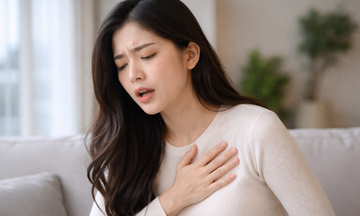
Illustrative photo: PixaBay |
Stroke, an acute medical condition, often occurs suddenly without warning, potentially leading to death or long-term disability. There are two main types: ischemic stroke and hemorrhagic stroke. Ischemic strokes are primarily caused by atherosclerosis or blood clots from the heart that obstruct cerebral blood vessels. In cases of hemorrhagic stroke, the leading causes are high blood pressure and traumatic brain injury, which lead to vessel rupture.
To prevent stroke, individuals should effectively manage risk factors such as high blood pressure, diabetes, dyslipidemia, cardiovascular disease, or cardiac arrhythmias. Adhere consistently to preventive treatments and avoid discontinuing medication without medical advice. Lifestyle modifications are crucial: consume plenty of fruits and vegetables; limit fast food, salty foods, and animal fats; exercise for at least 30 minutes daily; maintain an ideal weight and waist circumference; avoid smoking; and moderate alcohol consumption.
Individuals should limit going outdoors during early morning or late evening hours. If outdoor activity is necessary, ensure the body is kept warm. It is crucial to avoid bathing during these times to prevent the risk of thermal shock. When exercising, gauge your endurance and avoid overexertion. Regularly monitor blood pressure and manage your health to prevent worsening conditions due to forgotten or discontinued medication.
For early detection of stroke symptoms, rely on the F.A.S.T acronym: Face, for facial drooping or numbness; Arm, for arm weakness or numbness on one side of the body; Speech, for slurred or difficult speech; and Time, referring to the moment symptoms first appeared. If a stroke occurs, patients require immediate transport to a hospital's stroke unit for timely treatment to reduce mortality and disability rates.
"The golden window for ischemic stroke patients to receive medication for cerebral revascularization is within 4,5 hours from symptom onset," the doctor stated. "Patients with large vessel occlusion can undergo intervention within 6 hours from onset; delaying treatment beyond this period significantly increases the risk of severe sequelae."
Northern Vietnam has experienced severe cold since the beginning of the week, attributed to a deep cold air mass. Meteorological agencies warn that this intense cold can impact public health, with frost and rime reducing immunity. From the morning of 9/1, pollution levels in Hanoi have risen again, combining with the cold air to create a temperature inversion phenomenon, posing a threat to public health.
Thuy An