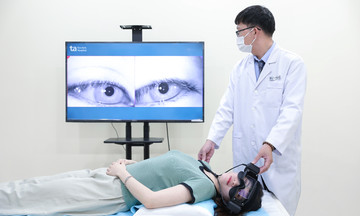
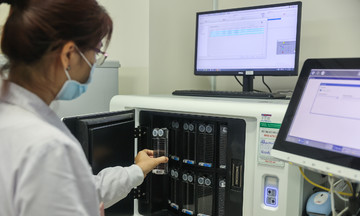
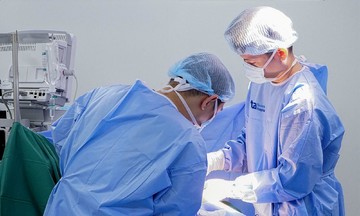
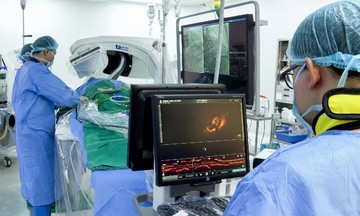
Modern gastrointestinal endoscopy offers significant opportunities for early detection of precancerous lesions and early-stage cancers. This leads to more favorable treatment outcomes, reduced need for interventions, and optimized treatment costs.
In recent years, Thu Cuc TCI's strategic direction for gastrointestinal endoscopy has focused not only on investing in modern equipment but also on building an ecosystem to support early lesion detection and improve diagnostic quality.
The facility currently utilizes several modern gastrointestinal endoscopy technologies, including magnified chromoendoscopy (MCU) and narrow-band imaging 5P (NBI 5P) integrated with AI to suggest suspicious areas or polyps. These platforms provide physicians with multiple layers of imaging data to assess the mucosa, clarify changes in surface structure and microvasculature, and thus aid in identifying lesions at an early stage.
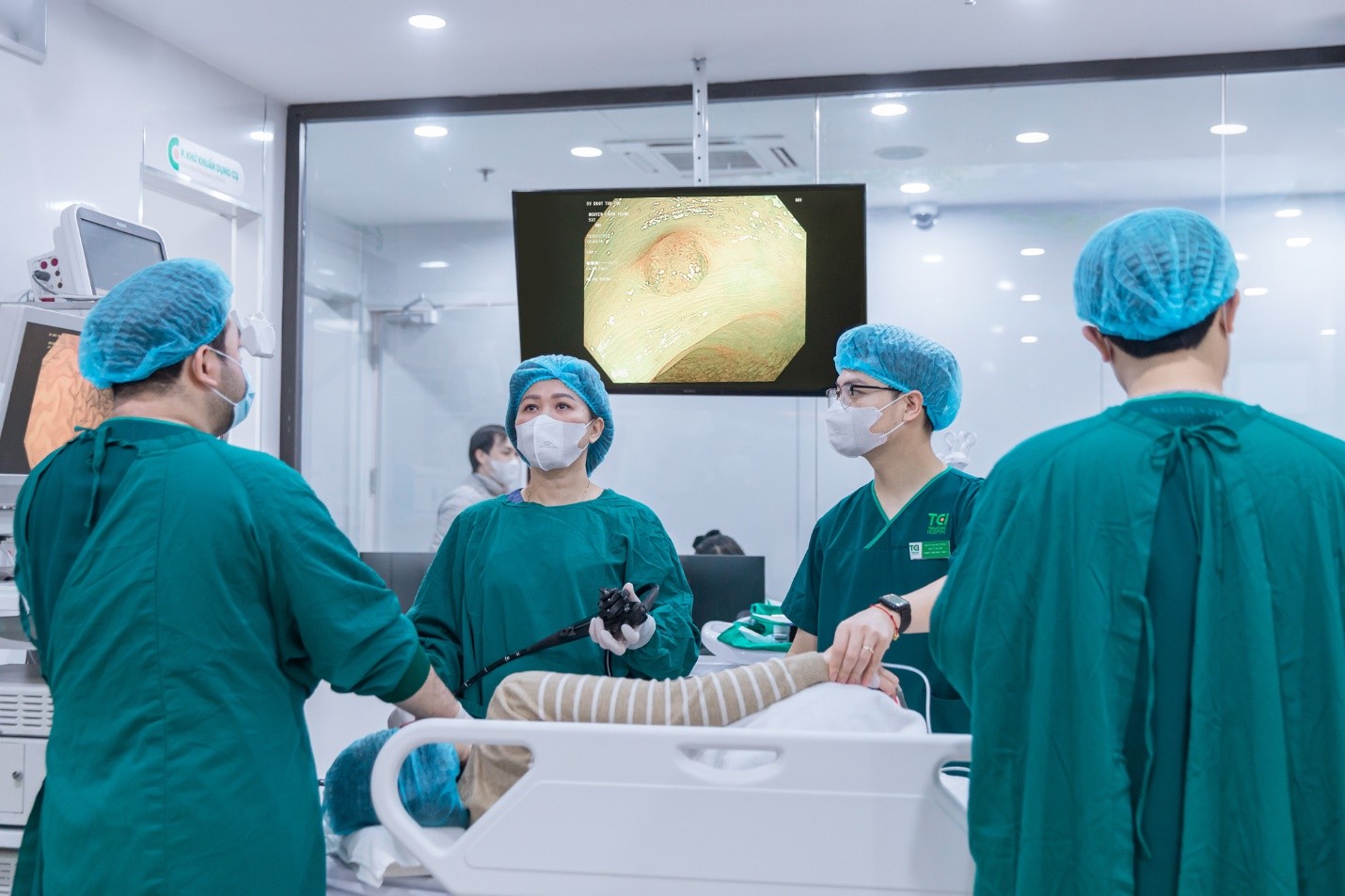 |
Modern endoscopy systems and a team of specialized doctors are the foundation for TCI to gradually improve the quality of gastrointestinal lesion detection and assessment. *Photo: Thu Cuc TCI*
From a patient's perspective, the value of technology in gastrointestinal endoscopy lies not just in technical specifications but in its ability to support early lesion detection, reduce the risk of missed diagnoses, and provide physicians with more robust diagnostic foundations. The application of new technologies also contributes to enhancing the accuracy and safety of the endoscopy procedure.
According to a Thu Cuc TCI representative, in addition to the platforms currently in use, the facility is exploring and implementing new endoscopy technologies to expand observational capabilities and diagnostic support in gastrointestinal endoscopy practice.
Specifically, the facility is preparing to announce a new advancement in cellular-level endoscopy technology developed by Olympus (Japan), including Endocyto 520x. This technology supplements imaging data during endoscopy and assists physicians in lesion assessment. For digestive diseases that can progress silently in their early stages, adding tools to aid observation and lesion evaluation helps improve diagnostic quality in each case.
Thu Cuc TCI's vision extends beyond individual devices, aiming to build a comprehensive high-tech endoscopy ecosystem dedicated to early diagnosis. A representative from the facility advises individuals with risk factors to proactively seek examinations and regular screenings as recommended by their doctors. According to the facility's plan, more specific information about this cellular-level endoscopy technology will be announced in March.
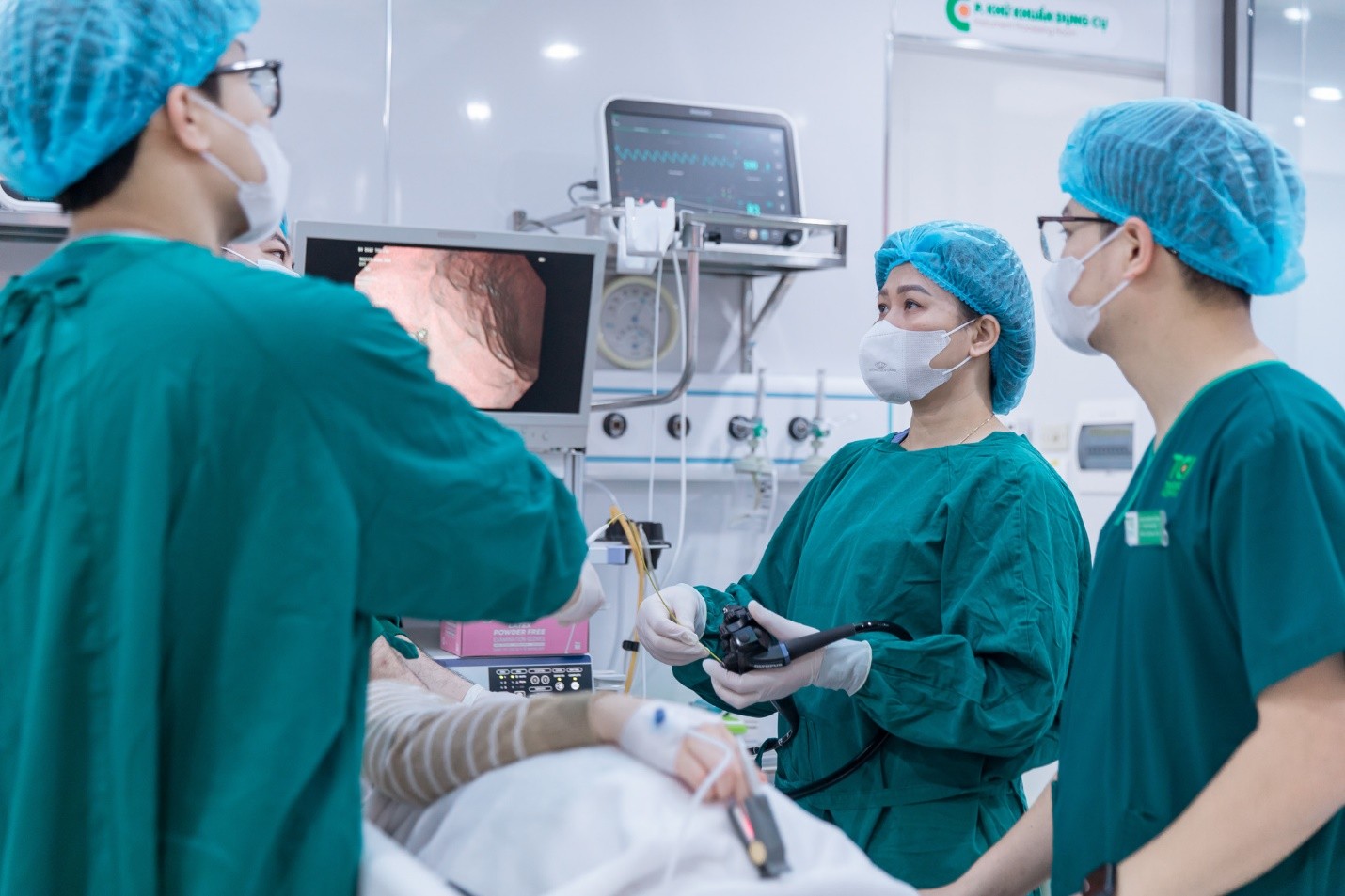 |
Thu Cuc TCI is investing in a high-tech endoscopy system, aiming to enhance the effectiveness of early detection for digestive diseases. *Photo: Thu Cuc TCI*
Gastrointestinal cancer is a concern for many families due to its often silent, prolonged progression. According to Globocan 2022 in Vietnam, colorectal cancer ranks 4th and stomach cancer ranks 5th in new cases for both sexes. This underscores the growing interest in digestive screening, especially as many early-stage cases show no clear symptoms or only vague signs.
According to the National Institute of Diabetes and Digestive and Kidney Diseases (NIDDK) in the US, most colorectal polyps are asymptomatic. The National Cancer Institute (NCI) in the US states that early-stage stomach cancer often presents with no distinct symptoms or only vague signs easily mistaken for common digestive disorders. This leads many people to seek medical attention only when the disease has advanced, making treatment more complex and costly.
The World Health Organization (WHO) also emphasizes that early detection improves treatment outcomes, increases survival rates, and reduces the burden of care for patients. In this context, gastrointestinal endoscopy is not merely a routine diagnostic technique but a crucial link in the early detection of dangerous diseases.
However, a Thu Cuc TCI representative notes that even though endoscopy has become a foundational technique, clinical practice still faces the challenge that not all abnormalities are immediately apparent. Some precancerous lesions or very early-stage cancers may only show subtle changes in surface structure, color, or microvasculature, appearing almost like healthy mucosa under normal observation. This specific group of lesions is why image-enhanced, magnified, and lesion-specific endoscopy technologies are gaining increasing attention in gastroenterology.
By The Dan
Contact information:
Website: benhvienthucuc.vn
Fanpage: Benh vien Da khoa Quoc te Thu Cuc
Hotline: 1900558892