Shortly after the Ministry of Health issued official guidelines defining obesity as a chronic, progressive, and relapsing disease, the World Health Organization released statistics showing that Vietnam currently has about 20 million overweight individuals. The incidence rate is increasing by 38%, leading Southeast Asia and putting pressure on the public healthcare system.
Highlighting the most common self-treatment mistake, Associate Professor Doctor Ho Thi Kim Thanh, Director of the Center for Family Medicine and Community Healthcare, Hanoi Medical University Hospital, warned against the habit of sudden weight loss attempts. When nutrient intake sharply declines, the brain immediately activates biological mechanisms to store energy. Consequently, after a period of strict dieting, patients experience a "pendulum effect", consuming more food and gaining weight rapidly. Statistics show that one-half of the lost weight returns within two years, and over 80% relapses in the next five years.
 |
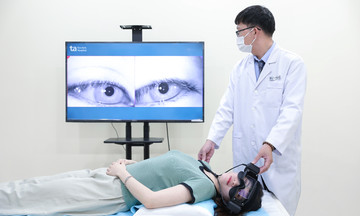
Overweight and obese individuals require comprehensive examination and assessment to develop a suitable treatment strategy. Photo: Quynh Tran
Elaborating on this phenomenon, Associate Professor Doctor Tran Quang Nam, Head of Endocrinology, University Medical Center Ho Chi Minh City, stated that the body possesses a complex network of biological mechanisms to resist weight loss. When weight drops rapidly, hunger hormones immediately increase, while satiety hormones decrease. This process compels individuals to experience continuous cravings, causing isolated self-lifestyle changes to often fail, resulting in only a modest 3-5% weight reduction.
Beyond fasting, many individuals also circulate unscientific fat reduction methods. Master Doctor Pham Thi Minh Chau, Department of Psychiatry, University of Medicine and Pharmacy Ho Chi Minh City, emphasized that consuming vinegar or lemon juice offers no sustainable effectiveness; instead, it severely damages the stomach and digestive system. Others spend money on cosmetic facilities. However, Associate Professor Doctor Nguyen Thi Bich Dao, President of the Ho Chi Minh City Society of Endocrinology and Diabetes, affirmed that these external interventions only remove subcutaneous fat, creating a false sense of a slender waist, but do not eliminate visceral fat. This deep-seated fat continuously secretes inflammatory substances, directly causing dangerous conditions such as gastroesophageal reflux, sleep apnea, hypertension, or diabetes.
Despite facing numerous consequences, the public often exhibits complacency and self-consciousness. Surveys by Decision Lab and Action Vietnam research indicate that about 30% of patients delude themselves into believing they are merely "slightly robust", even though 56% have reached the obesity threshold. Societal prejudice compels many to conceal their condition, spending between two and five years attempting self-treatment before seeking professional help. Furthermore, 24% of individuals believe healthcare professionals cannot help them manage their weight.
Experts advise the public to proactively consult a doctor when their BMI exceeds 25 kg/m2, or if their waist circumference exceeds 80 cm for women and 90 cm for men. Obesity stems from multiple factors including genetics, sedentary lifestyle, psychological stress, and sleep disorders. Therefore, medical professionals need to conduct comprehensive examinations to develop a personalized medical treatment plan, helping patients achieve scientific weight loss instead of struggling alone and inviting further health issues.
Le Phuong