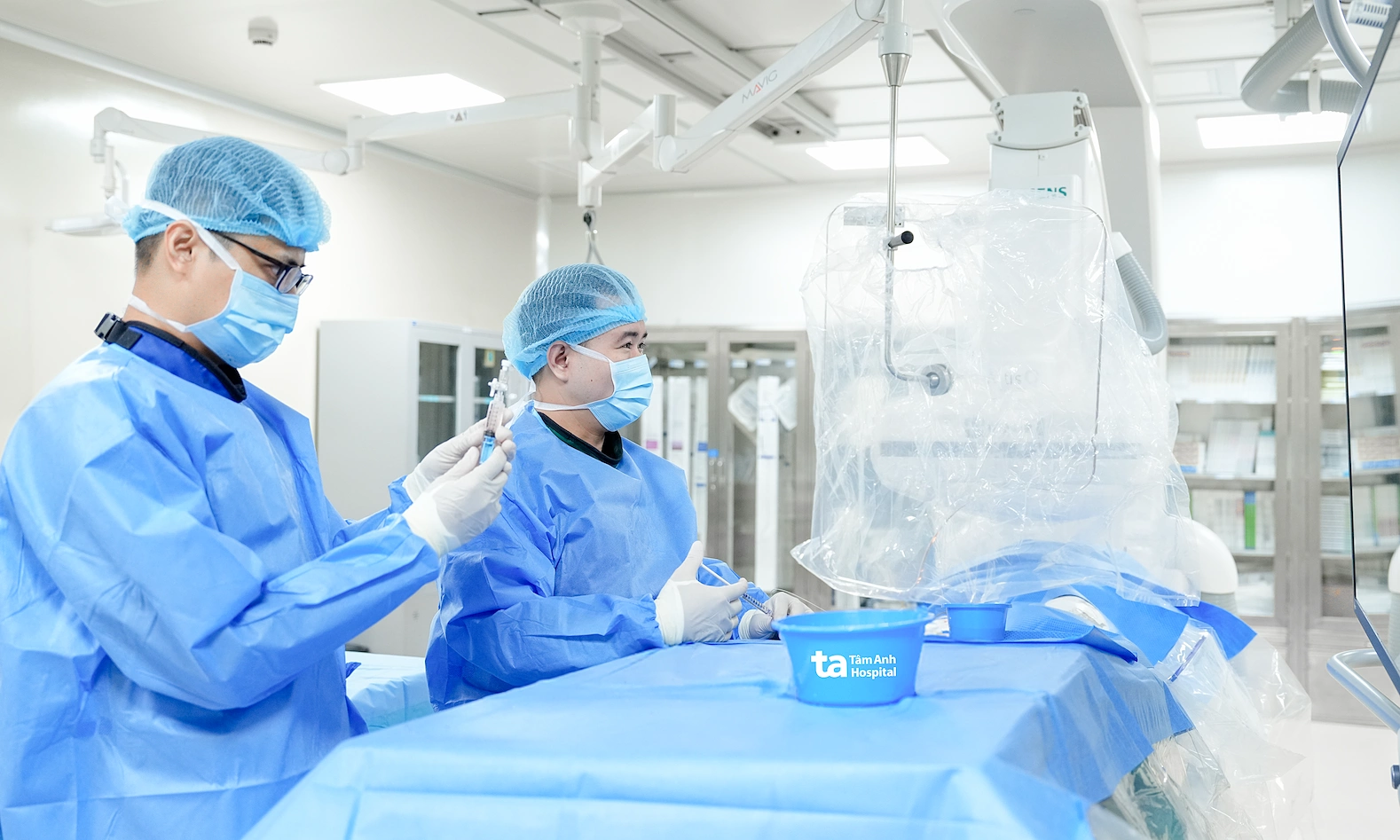
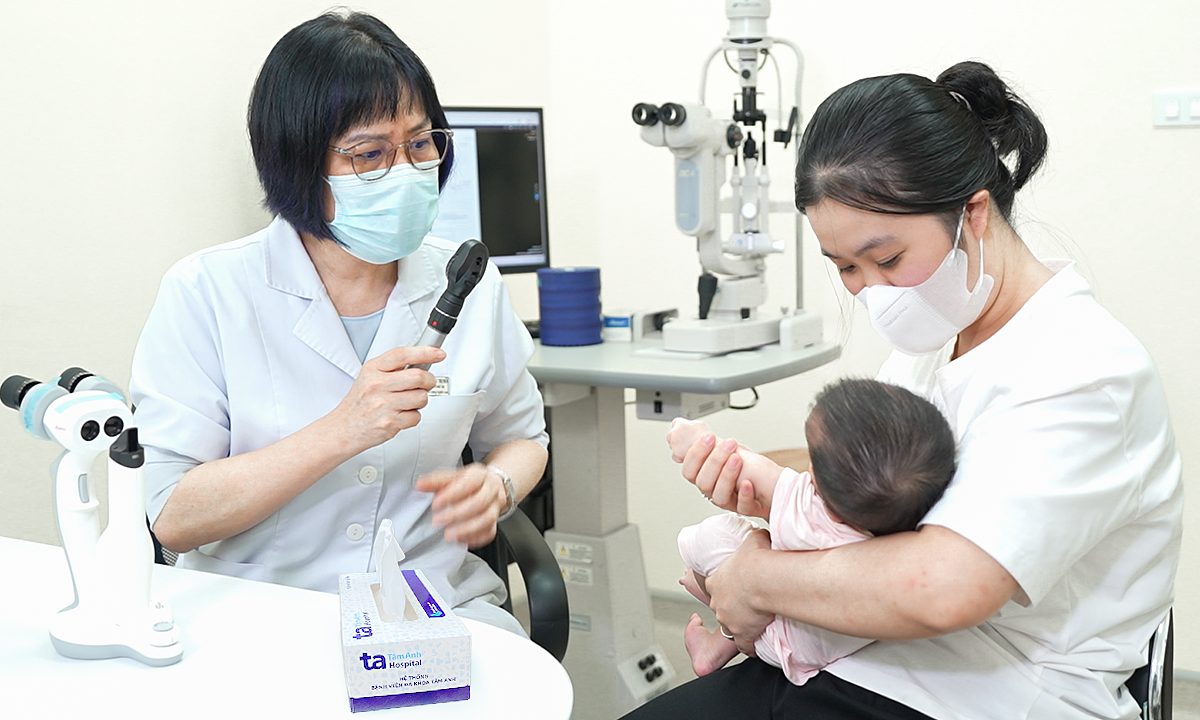
On 16/9, Tang Chi Thuong, Director of the Ho Chi Minh City Department of Health, announced a program connecting hospitals with health stations. This initiative is structured around two networks: general hospitals offering comprehensive support by geographical area and specialized hospitals providing field-specific assistance across the city.
Under this program, each general hospital will be assigned a specific number of health stations for long-term partnership. Their responsibilities include assessing needs, providing training, updating knowledge, transferring techniques, and rotating doctors to these grassroots facilities. However, the Department of Health has not yet released a detailed list specifying which hospitals will oversee which health stations.
Hospitals will also establish direct communication channels for remote consultations, teleconsultations, and support for cases beyond the health station's capacity. A two-way patient referral mechanism will be developed, allowing stable patients to be referred back to the health station for chronic disease management, post-discharge follow-up, and rehabilitation.
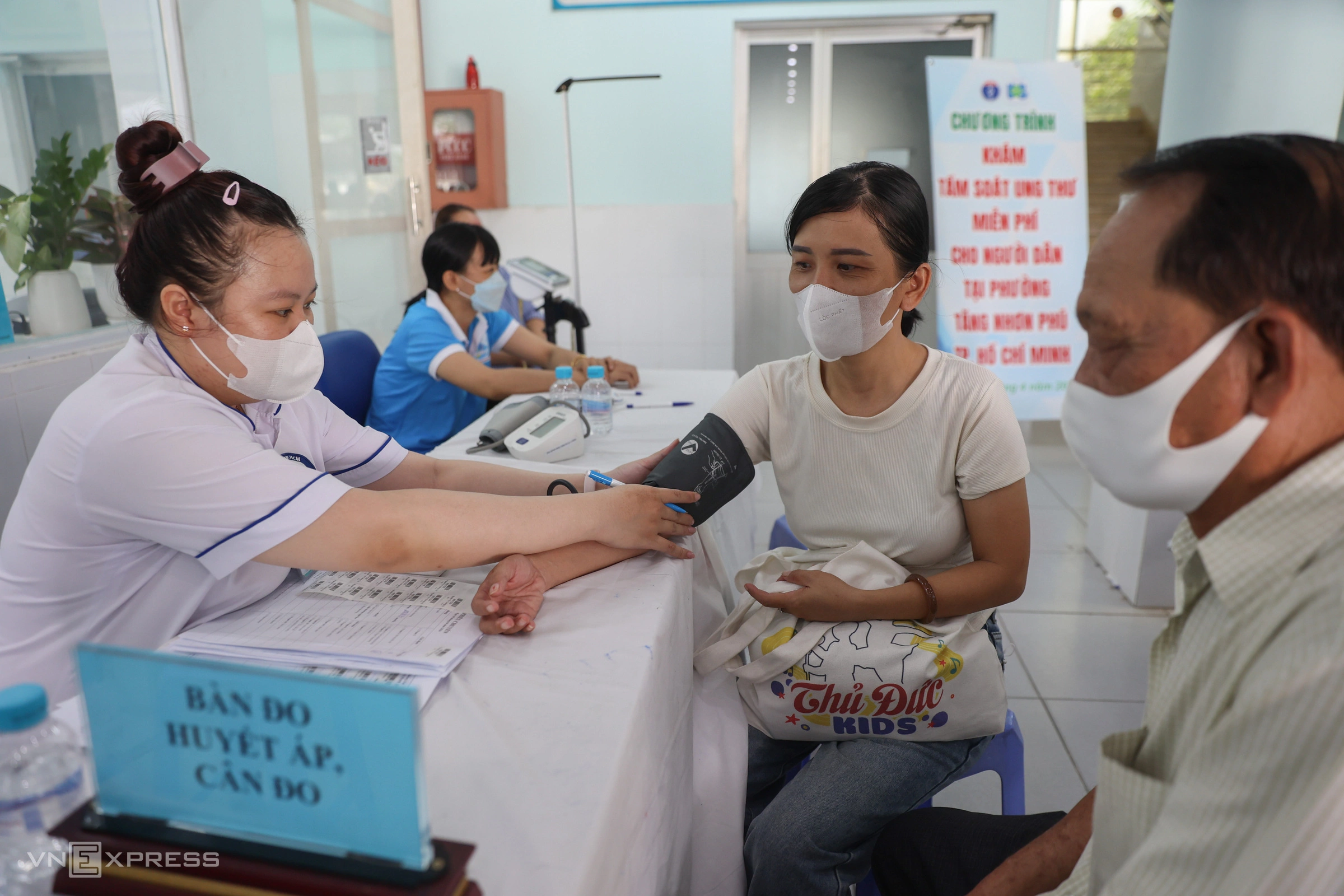 |
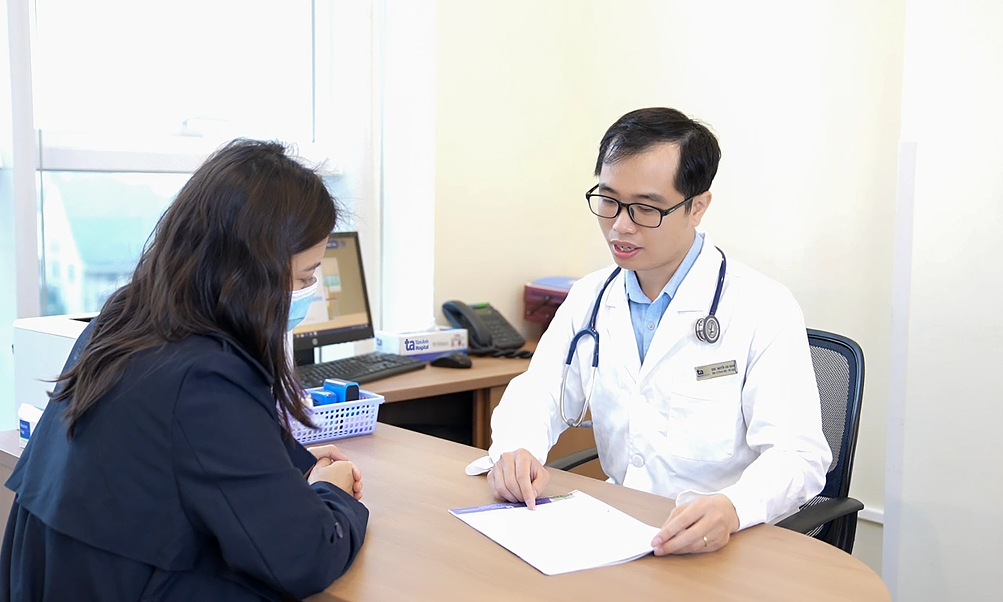
Residents receive medical examinations at Tang Nhon Phu ward health station, Ho Chi Minh City. *Photo: Quynh Tran* |
Unlike general hospitals assigned by geographical area, leading specialized hospitals will establish a professional support network connecting health stations across the city. Maternity, pediatric, cardiology, oncology, mental health, ophthalmology, otolaryngology, dermatology, rehabilitation, and other specialized hospitals are tasked with developing "specialized support packages." These packages will focus on conditions requiring early detection and treatment at the grassroots level.
These activities include: training, remote consultations, appropriate technology transfer, screening support, early detection, and correct specialized referrals. When encountering a suspected specialized disease, health station doctors can consult directly with specialists to determine the course of follow-up, necessary tests, or patient transfer. After stable treatment, patients will be reconnected to the health station for ongoing monitoring and care.
Thus, each health station will have a primary general hospital partner, while also accessing the expert network of specialized hospitals when needed, creating a "community - hospital - community" care journey. The objective is to bring hospital expertise closer to grassroots healthcare, ensuring health stations do not operate in isolation and residents receive continuous care within their communities.
Ho Chi Minh City recently concluded a four-year pilot program that placed young doctors at health stations for practical training. The city is now developing new policies to retain professional staff at the grassroots level. The Department of Health proposes monthly support of 12-20 million VND for doctors rotated from higher-level facilities to grassroots health stations. This support will be higher in special areas such as Thach An island commune and Con Dao special zone.
The city's budget is expected to allocate a maximum of approximately 108 billion VND annually, supporting about 1,300 rotating healthcare workers. If approved by the Ho Chi Minh City People's Council during its september session, the policy is anticipated to be implemented from 1/10/2026 until the end of 2030. The Department of Health is also developing a plan to second senior hospital doctors to health stations to serve as directors for 3-5 years.
Le Phuong