Tang Chi Thuong, director of the Ho Chi Minh City Department of Health, announced this information on 11/1, detailing the city's strategy to restructure its healthcare system towards a multi-layered, multi-polar, and multi-center approach.
According to Thuong, during the 2026-2030 period, these second facilities will evolve beyond simply addressing overcrowding due to land shortages, a method previously seen at the Oncology Hospital or Mental Health Hospital. Instead, the city views them as strategic components, functioning as healthcare service points directly affiliated with their main hospitals. They will operate under the same professional standards, technical procedures, and quality management systems as their primary facilities.
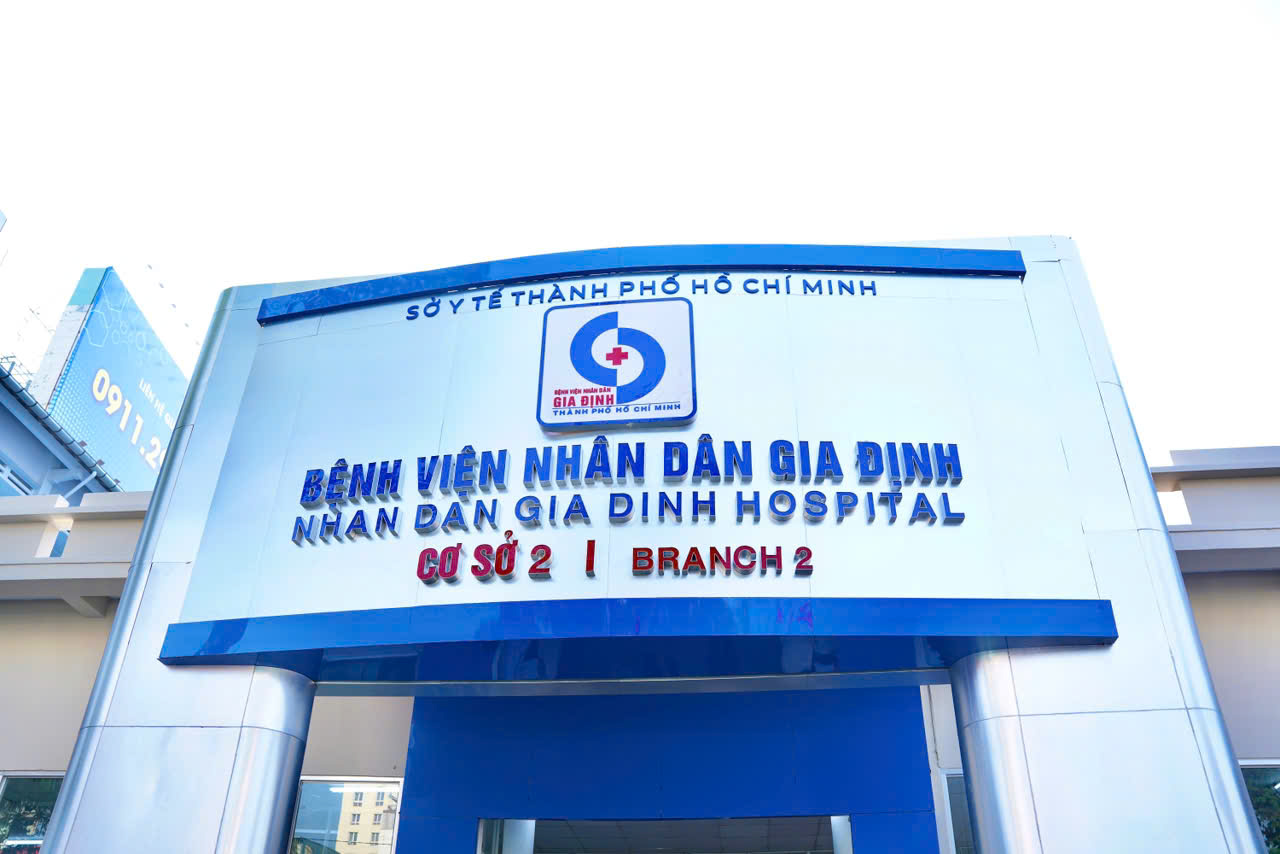 |
Nhan Dan Gia Dinh Hospital's second facility is located in central Ho Chi Minh City, on the former site of Saigon General Hospital. Minh Toan |
Nhan Dan Gia Dinh Hospital's second facility is located in central Ho Chi Minh City, on the former site of Saigon General Hospital. Minh Toan
City health officials believe constructing entirely new hospitals is costly, time-consuming, and makes it challenging to immediately build professional credibility. Therefore, the second facility model leverages existing infrastructure and medical equipment that has been invested in but not fully utilized in areas outside the city center. For example, projects like Tu Du 2 Hospital and Nhan Dan Gia Dinh 2 Hospital are set to implement this approach starting in 2025.
This new approach allows residents to access standard medical services directly in their residential areas, eliminating the need to travel to the frequently congested city center. Each second facility will undertake specific responsibilities, alleviating the burden on the urban core, becoming a gateway hospital for emergency treatment during the "golden hour", or developing specialized services linked to training and research.
The Department of Health asserts its focus on operational efficiency rather than quantity. The agency will flexibly implement the model in various forms: connections between specialized and general hospitals; merging underperforming facilities; or "grafting" highly specialized departments into locations with existing infrastructure. These facilities will serve as "extended arms", ensuring consistent quality of medical examination and treatment across the city's entire healthcare system.
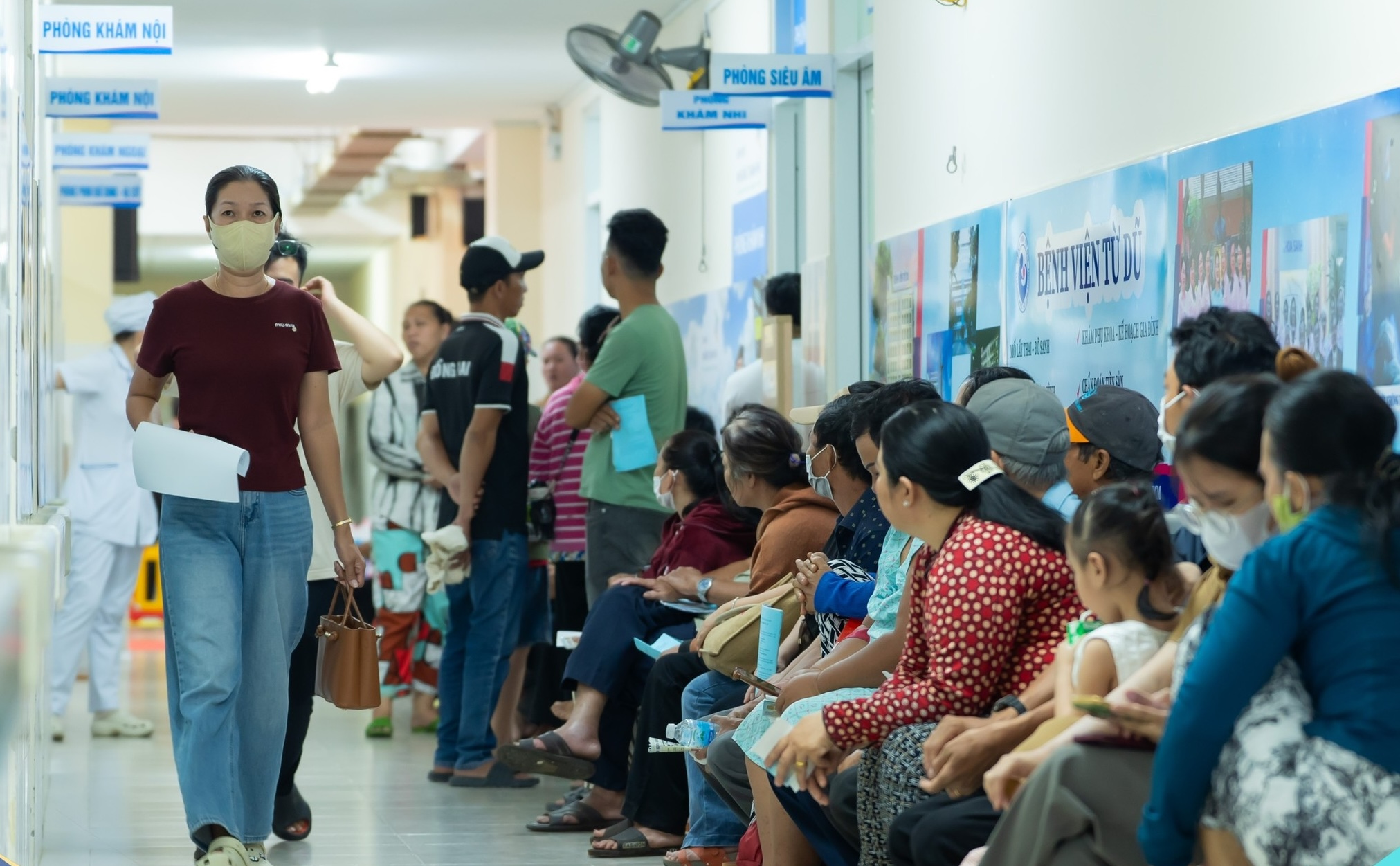 |
Residents receive medical examinations at Tu Du Hospital's second facility, which began operations late last year in Can Gio commune as a linked general hospital model, situated within the former infrastructure of the Can Gio District Medical Center. Hospital provided |
Residents receive medical examinations at Tu Du Hospital's second facility, which began operations late last year in Can Gio commune as a linked general hospital model, situated within the former infrastructure of the Can Gio District Medical Center. Hospital provided
Le Phuong