


Dr. Nguyen Huu Truong, Deputy Director of the Clinical Allergy - Immunology Center at Bach Mai Hospital, shared a common observation: the same plate of seafood might be enjoyed by one person without issue, while another experiences immediate itching and rashes. Similarly, a particular flower's scent can be pleasant for some, but others sneeze continuously. These reactions occur because the individuals are allergic to those foods or pollen.
This "mistake" occurs when the immune system, instead of protecting the body, overreacts to factors that are inherently harmless in the environment. These factors, known as allergens, include house dust, pollen, animal dander, mold, or certain foods. Allergy symptoms are not limited to itching or rashes; they manifest in diverse ways, depending on the allergen's entry point into the body.
Symptoms vary significantly by how allergens enter the body. Through the respiratory tract, patients often experience allergic rhinitis symptoms like nasal itching, sneezing, or a runny nose. More severe reactions include bronchial asthma, characterized by difficulty breathing, wheezing, and prolonged coughing. When allergens are ingested, food allergies can cause cramping abdominal pain, nausea, diarrhea, accompanied by itching and hives on the skin. Additionally, allergies can lead to conjunctivitis (itchy, red eyes), eczema, and in the most severe cases, anaphylactic shock—a life-threatening condition requiring prompt medical attention.
Allergy symptoms do not always appear immediately. Some reactions occur just minutes after exposure to an allergen, while others may not manifest until several days or even weeks later.
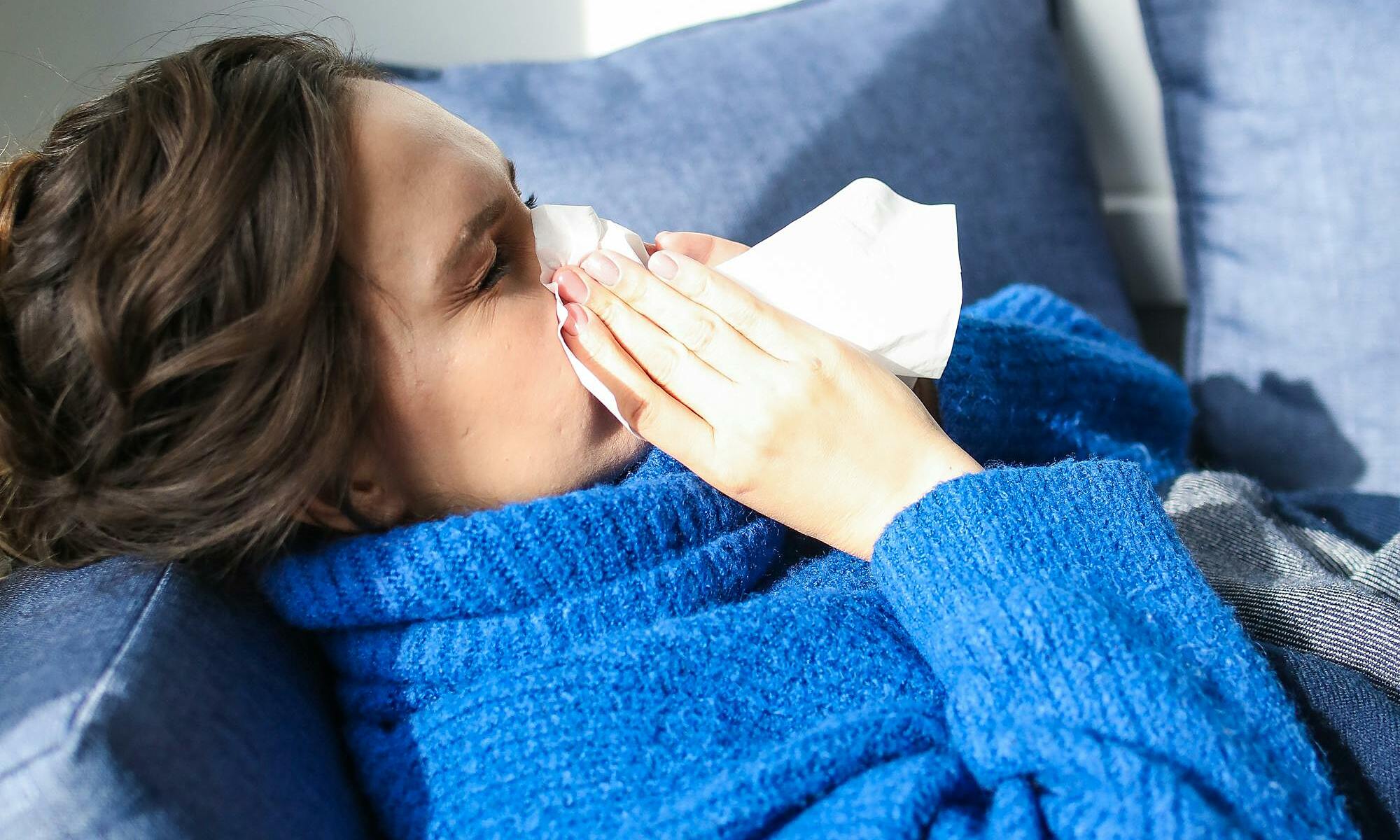 |
Many people suffer from pollen and weather allergies, causing runny noses and sneezing. Photo: Pexels |
Who is susceptible to allergies?
Approximately 20% of the world's population has an allergic predisposition, meaning their bodies already possess allergic antibodies. However, not everyone with this predisposition develops symptoms. In reality, only about two-thirds of people with an allergic predisposition develop specific diseases.
Genetic factors play a very important role in allergy development. If both parents have allergies, their children face a 75% risk of developing the condition. If only one parent is affected, the risk is about 50%. Even if neither parent has allergies, children still have about a 15% chance of developing them. Furthermore, children, especially boys, generally have a higher risk of allergic diseases than adults.
Beyond genetics, lifestyle and environmental factors also contribute to the rise in allergic diseases. Air pollution, early exposure to allergens, antibiotic overuse, infections in early life, dietary changes, or parasitic infections can all increase allergy risk.
Research indicates that infants exclusively breastfed have a lower risk of allergic diseases compared to those fed formula.
An allergic predisposition often remains with individuals throughout their lives. Symptoms tend to stabilize during puberty but can recur later, depending on lifestyle and environmental influences.
Therefore, allergy treatment needs to adhere to three basic principles: First, avoid contact with allergens. This is a simple but most effective measure. While completely eliminating house dust or pollen is difficult, reducing them in the living environment helps limit symptoms and decreases dependence on medication. Second, use antiallergy medications to quickly control uncomfortable symptoms. Finally, specific desensitization therapy is applied in cases where the causative allergen has been clearly identified.
Le Nga


