Dr. Ngo Tran Quang Minh, a specialist doctor level two and Director of Professional Affairs at Tam Anh General Hospital District 8, explains that the Nipah virus spreads via three main routes.
The first route is from the natural reservoir to humans. Fruit bats are the natural hosts of the Nipah virus. While bats do not show symptoms, they can shed the virus through their saliva, urine, and feces, contaminating fruits, palm sap, or date palm sap that they eat or where they nest, as well as the surrounding environment. Humans risk infection only by eating, drinking, or directly contacting contaminated food and secretions, not merely by living or traveling in areas where bats are present.
The second route involves transmission from animals to humans. The Nipah virus can also spread through intermediate animals, typically pigs. Close contact, caring for, or slaughtering infected animals allows the virus to enter the human body through mucous membranes or skin lesions.
The third route, direct human-to-human transmission, is often misunderstood, according to Dr. Minh. He clarifies that while Nipah virus can spread between people, it primarily occurs under conditions of close and prolonged contact. The US Centers for Disease Control and Prevention states that Nipah virus does not spread over long distances through the air, nor does it suspend as aerosols (very small particles, less than 5 micrometers, suspended in the air) like measles or Covid-19, and it is not capable of rapid community spread. The virus is present in the saliva, nasopharyngeal secretions, and sputum of patients. It can transmit via respiratory droplets at close range or through direct contact with secretions during unprotected care.
 |
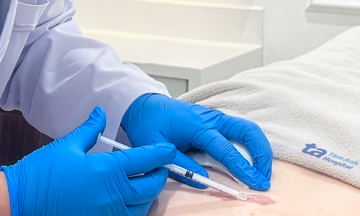
Dr. Minh advises a patient. Photo: Tam Anh General Hospital
Regarding its pathogenesis, the Nipah virus enters through the mucous membranes of the nose, throat, and lungs, causing severe pneumonia, increased fluid secretion, and a high viral load in respiratory secretions. Patients with clear respiratory symptoms face a risk of severe progression and serve as the primary source of transmission to close contacts. A key characteristic is that respiratory damage often appears simultaneously with neurological damage, which can lead to rapid disease progression within a short period.
"Nipah virus is not a pathogen that spreads silently through the air, but it can pose a high risk in families and healthcare facilities if contact and secretions are not well controlled," Dr. Minh stated.
The Nipah virus is currently re-emerging in West Bengal state, India, with two confirmed cases and three suspected cases, leading to over 100 people being quarantined. Many countries are tightening border quarantine measures to prevent the risk of an outbreak. On 29/1, India declared the outbreak controlled.
The Nipah virus was first detected in 1998 in Malaysia and has since caused several outbreaks in Bangladesh, Singapore, and the Philippines. The World Health Organization notes a low Nipah virus infection rate of only 0,33% but a high mortality rate of 40-75% and severe sequelae for survivors.
Currently, there is no vaccine or specific treatment for Nipah virus disease. Residents are advised to eat thoroughly cooked food, drink boiled water, absolutely avoid eating fruit with animal bite marks, and avoid direct contact with wild animals. Individuals returning from affected areas should actively monitor their health for 14 days and immediately go to a hospital if they experience fever or respiratory symptoms, to protect themselves and prevent the risk of the pathogen spreading into the community.
Nhat Thanh
| Readers can send questions about respiratory issues here for doctors to answer |