Hong and her husband, who reside in Sweden, experienced unsuccessful infertility treatment there due to failed ovarian stimulation. After six years of infertility, they returned to Vietnam for treatment to have a child.
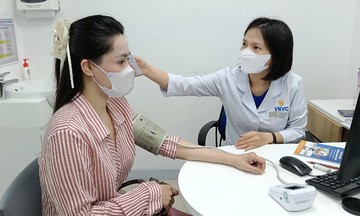
At the Center for Reproductive Assistance, Tam Anh General Hospital Hanoi (IVF Tam Anh), associate professor, doctor Le Hoang, the center's director, diagnosed infertility originating from both partners. Hong suffered from an ovulatory disorder, making it difficult for eggs to meet sperm for fertilization. Her husband's sperm analysis revealed no sperm. The couple was advised to undergo in vitro fertilization (IVF).
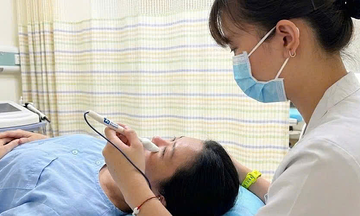
Doctor Hoang devised an individualized ovarian stimulation protocol for Hong, reducing the number of injections compared to typical procedures and minimizing the risk of ovarian hyperstimulation. Oocytes were monitored via ultrasound and hormone level blood tests. After 10 days of medication, 15 mature oocytes were retrieved.
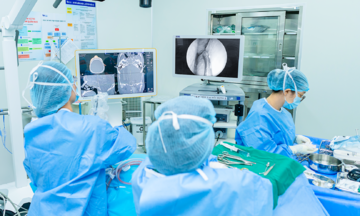
For the husband, sperm production was still occurring, but sperm could not exit due to an obstruction in the vas deferens. Doctor Hoang performed percutaneous epididymal sperm aspiration (PESA) to retrieve sperm from the epididymis. However, the collected samples showed many abnormally shaped and mostly immotile sperm. Embryologists carefully selected sperm with good morphology and motility, collecting enough for fertilization and cryopreservation. After in vitro fertilization, Hong and her husband had 13 day 6 embryos, but all showed abnormal division and ceased development early, necessitating their discard.
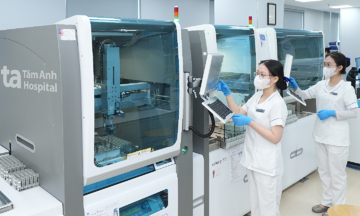
During the second IVF cycle, the husband's cryopreserved sperm was thawed using vitrification and injected into the oocyte cytoplasm. The embryos were cultured in an international standard LAB, with continuous development monitored by a time-lapse incubator system integrated with artificial intelligence (AI). As a result, they obtained nine good quality embryos. Hong became pregnant on the first embryo transfer, but the pregnancy was lost in the 9th week.
In early 2025, the couple returned to IVF Tam Anh for another embryo transfer. Doctor Hoang meticulously planned the uterine lining preparation protocol to enhance success rates, combining it with preimplantation genetic testing for aneuploidy (PGT-A) to select chromosomally normal embryos. This time, Hong became pregnant and gave birth to their healthy first child in Sweden.
 |
Baby Pi, Hong's first child, was born in Sweden in 11/2025. Photo: Provided by subject |
According to statistics from the Ministry of Health, the infertility rate in Vietnam is approximately 7.7%, with 20% of cases attributed to both partners or unknown causes. Associate professor Hoang advises couples who have not conceived after one year of marriage to seek early examination for timely diagnosis and treatment. This increases success rates and reduces emotional and financial burdens.
At IVF Tam Anh, techniques such as in vitro fertilization, preimplantation embryo testing, day 5-6 embryo culture, embryo and egg cryopreservation, and autologous platelet-rich plasma infusion for endometrial thickening have helped thousands of infertile couples have children. In 2024, the cumulative pregnancy rate at the system averaged 78.7%, including many cases involving advanced maternal age, multiple failed embryo transfers, or complex underlying medical conditions.
Trinh Mai
* Patient's name has been changed