Nipah virus remains a top priority for the World Health Organization (WHO) due to its high mortality rate, ranging from 40% to 75%, despite not spreading as widely through the air as Covid-19 or measles. In Southeast Asia, the pathogen has been found in Pteropus fruit bats in neighboring countries such as Cambodia and Thailand, posing a risk of entry into other areas if not closely monitored.
Unlike common respiratory illnesses, Nipah virus has a more complex transmission mechanism. In nature, fruit bats are the primary reservoir. The virus then transmits to intermediate hosts such as pigs, goats, dogs, and cats when they consume fruit contaminated with bat secretions. Humans primarily contract the disease through direct contact with secretions from sick animals or by consuming contaminated food and water.
Close contact with patient secretions is also a significant source of transmission within families and hospitals. Doctor Nguyen Ngoc Anh Tuan notes that Nipah's basic reproduction number (R0) is less than one, meaning outbreaks are typically localized to small groups. However, the transmission mechanism through raw food necessitates special caution from the community regarding prevention.
Initial symptoms of Nipah infection are often non-specific and easily mistaken for common flu, including fever, headache, muscle aches, and sore throat. However, the disease can rapidly progress to severe respiratory illness or acute encephalitis. Experts warn that patients may experience dizziness, altered consciousness, and seizures, progressing to coma within 24 to 48 hours. Notably, about 20% of survivors of acute encephalitis suffer long-term neurological sequelae, such as seizure disorders or personality changes.
Given the absence of specific tools like vaccines or treatment drugs, breaking transmission chains is the only protective measure. People must absolutely avoid eating fruits with signs of bird or bat bites, and thoroughly wash and peel fresh fruit. Tree sap products, such as palm nectar, must be boiled before consumption. For those raising or interacting with animals, wearing gloves and protective clothing when handling sick livestock is mandatory. Furthermore, frequent handwashing with soap after caring for patients or visiting relatives also helps minimize the risk of cross-contamination.
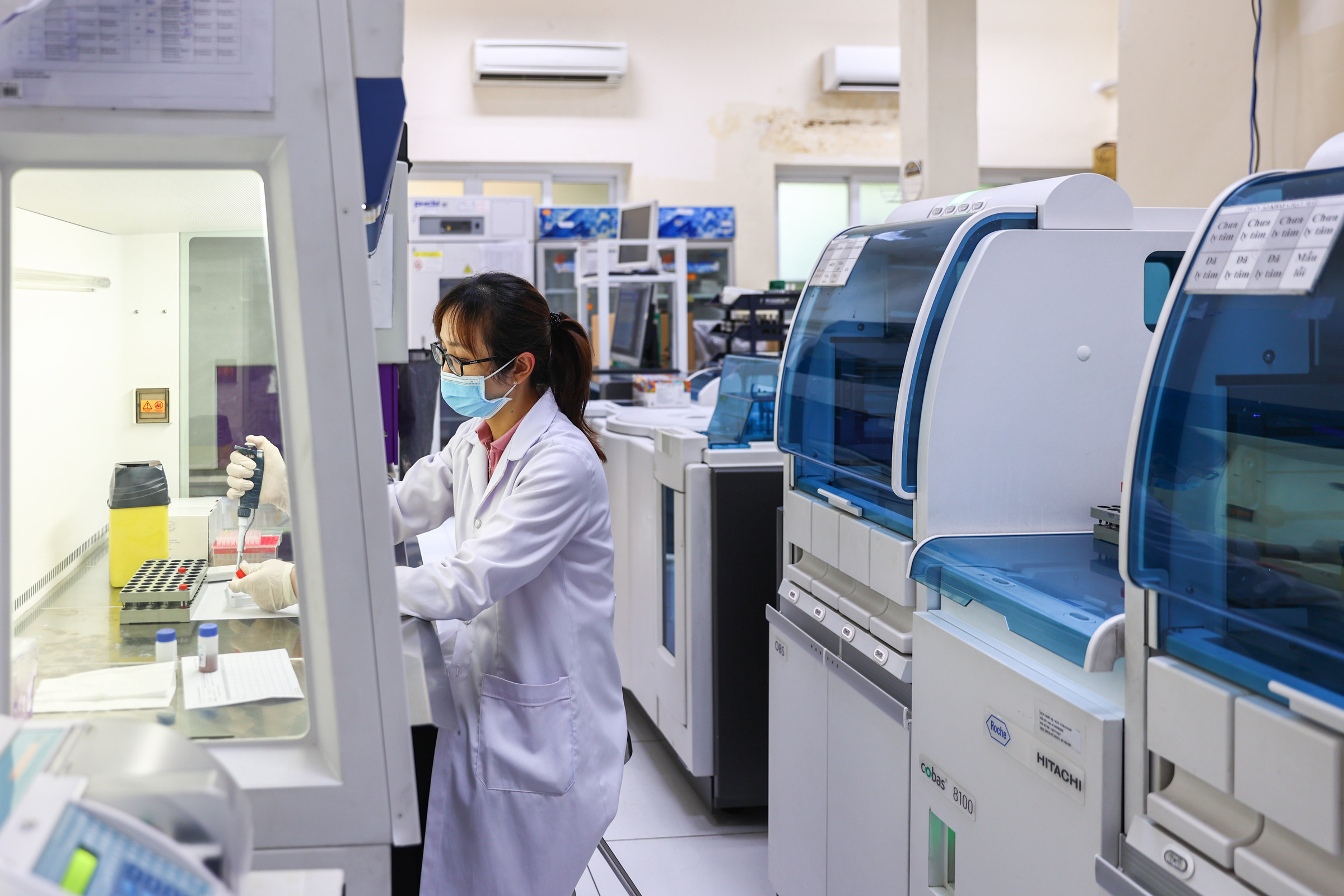 |
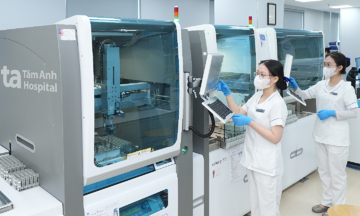
Medical staff conducting tests at Pasteur Institute Ho Chi Minh City. *Photo: Quynh Tran* |
In Vietnam, surveillance efforts are being tightened at border gates, healthcare facilities, and within communities to ensure timely admission and treatment if suspected cases are detected. Pasteur Institute Ho Chi Minh City has completed technical procedures and has personnel and supplies ready to perform specialized tests such as RT-PCR or ELISA. Doctor Tuan affirms that raising awareness and maintaining hygienic eating and drinking habits are key to preventing Nipah virus from entering and spreading in the community.