Adjusting the air conditioning temperature appropriately is crucial.
According to the Times of India, many people set their air conditioners low for quick cooling. However, a large temperature difference between indoors and outdoors makes it difficult for the body to adapt, drying out nasal and throat membranes. It is advisable to maintain the air conditioner at 26-28 degrees Celsius to limit membrane dehydration and reduce thermal shock when going outside.
Avoid direct cold airflow to prevent respiratory discomfort.
Continuous cold air blowing directly onto the face, neck, or chest can cause you to wake up with a sore throat, stuffy nose, or hoarseness. Families should adjust the airflow direction towards the ceiling or to the sides to ensure air circulates evenly throughout the room. This method helps to cool effectively and reduces direct impact on the respiratory system.
Staying adequately hydrated is essential when using air conditioning.
Air-conditioned environments often make people feel less thirsty, but the body still loses water through breathing and excretion. Insufficient water intake thickens mucus in the nose and throat, reducing its ability to trap dust and pathogens. Each person should maintain a habit of drinking water regularly throughout the day (about two liters) to keep mucous membranes moist, help thin mucus, and reduce feelings of dryness and irritation. In addition to plain water, you can supplement with water-rich fruits or soups to increase your body's fluid intake.
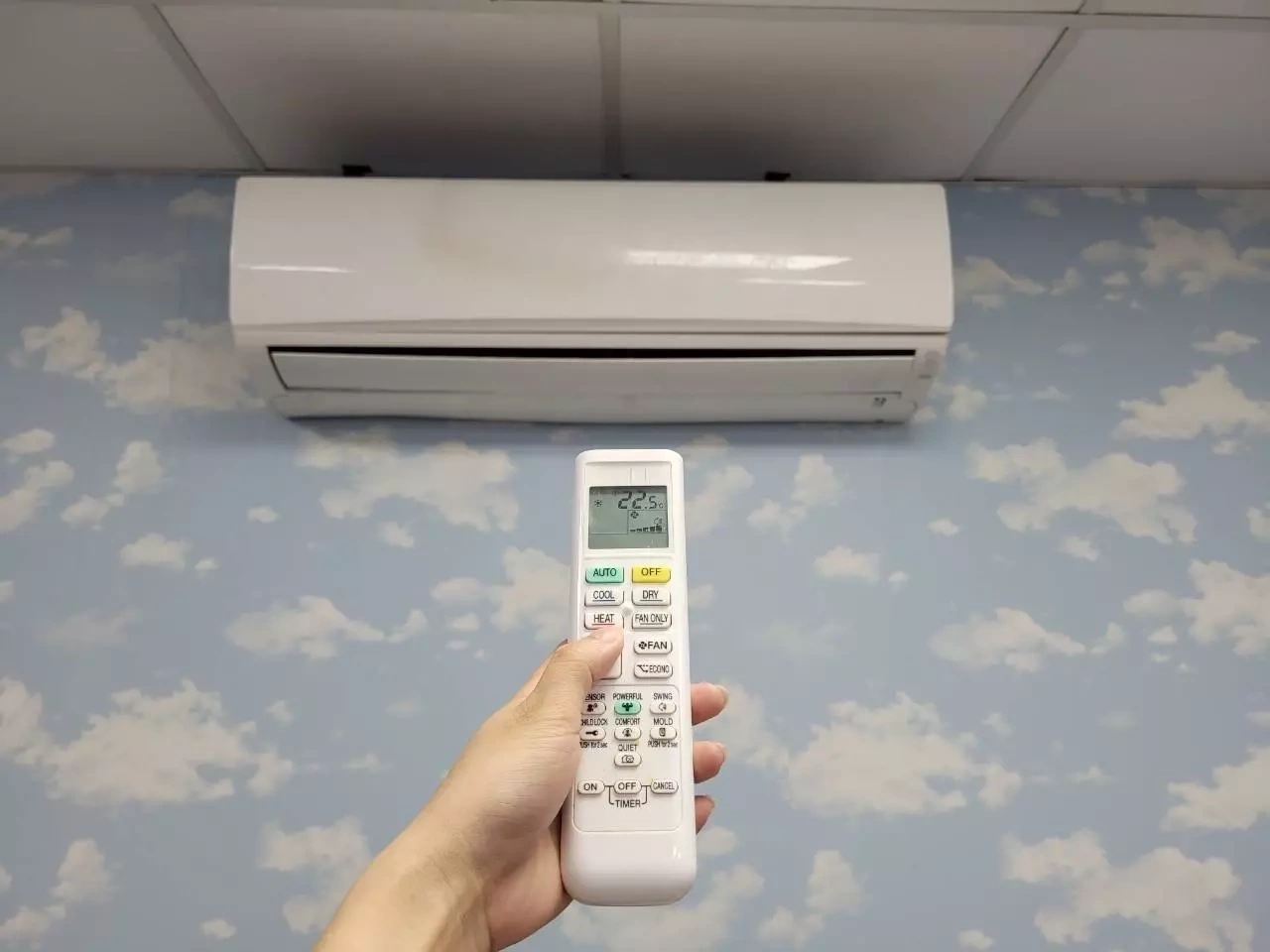 |
Setting the air conditioner temperature too low is not good for the respiratory system. Illustration: Hai Au |
Regular maintenance and cleaning of air conditioning units are vital.
Air conditioners that are not regularly cleaned can accumulate dust, pollen, mold, and microorganisms on their filters. When operating, these agents disperse into the air, irritating the respiratory tract, especially in individuals with allergic rhinitis, asthma, or sensitive individuals. Depending on usage frequency and environment, air conditioners should be cleaned every 6-12 months.
Ensure proper room ventilation by opening windows daily.
Many people keep their air conditioners running continuously and doors tightly closed for hours to retain cool air. This reduces air circulation within the room, increases carbon dioxide concentration, and allows dust and indoor pollutants to accumulate over time. It is advisable to turn off the air conditioner and open windows for 15-30 minutes each day to circulate air, helping to ventilate the room, reduce dryness, and improve air quality.
Utilizing the sleep mode on your air conditioner can enhance comfort and health.
Body temperature drops during sleep. If the air conditioner maintains a too cold level throughout the night, nasal and throat membranes can dry out, causing a sore throat or stuffy nose upon waking. It is recommended to use the sleep mode or a timer to automatically increase the temperature by one to two degrees Celsius closer to morning, helping the body adapt better.
Le Nguyen (Compiled)
| Readers can submit questions about respiratory illnesses here for doctors to answer |