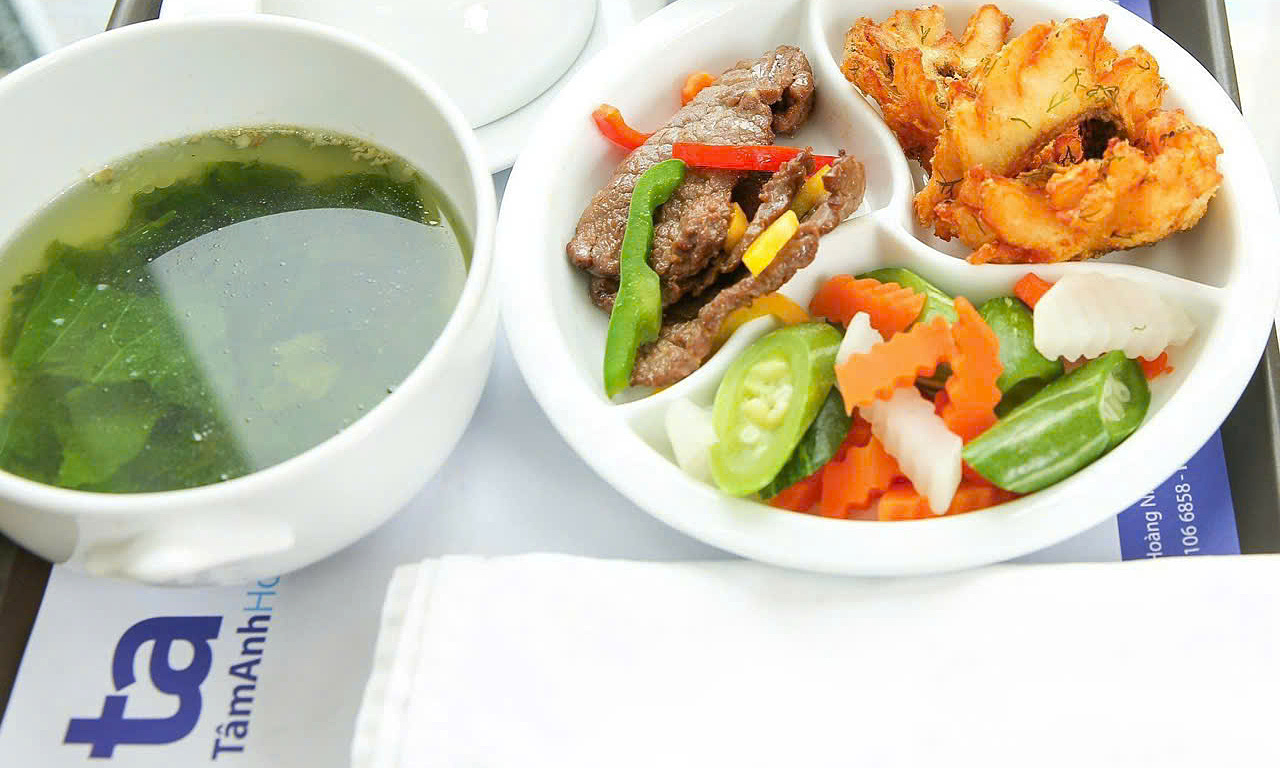
Protein is an essential nutrient vital for muscle building, immune function, and various bodily processes. However, habits like excessive meat consumption or using protein powders for weight loss and muscle gain can strain the kidneys. Understanding how to supplement protein can meet the body's needs while protecting kidney function.
Eat protein in amounts appropriate for your needs
According to Times of India, protein needs depend on age, weight, and physical activity. Healthy adults typically require about 0.8-1 gram of protein per kilogram of body weight daily. Those engaged in sports or aiming for muscle growth might need more.
Consuming excess protein over a long period does not offer proportional benefits. The body breaks down excess protein into nitrogenous substances, which the kidneys then filter and excrete through urine. Therefore, to protect health, individuals should calculate their appropriate protein intake based on their goals and physical condition.
Combine animal and plant protein
It is important to incorporate a variety of protein-rich foods into your daily diet. Animal proteins from fish, poultry, eggs, and dairy provide all essential amino acids. Plant proteins found in soybeans, tofu, legumes, and nuts offer additional fiber, vitamins, and minerals. This combination creates a more balanced meal, limits excessive red meat and saturated fat intake, and helps reduce kidney burden.
 |
Fish is rich in protein and good for health. Photo: Bui Thuy |
Fish is rich in protein and good for health. Photo: Bui Thuy
Distribute protein evenly across meals
Many people tend to eat little protein for breakfast but consume the majority at dinner. This approach forces the body to process a large amount of protein at once. It is advisable to distribute protein evenly across the three main meals. For example, include eggs or yogurt for breakfast, fish or chicken for lunch, and tofu or fish combined with green vegetables for dinner.
Combine protein with fiber-rich foods
Protein-rich meals should include green vegetables, fruits, legumes, and whole grains. These foods are abundant in fiber, vitamins, and minerals, contributing to a balanced diet. Fiber aids digestion, helps control blood sugar and blood pressure, thereby reducing factors that can affect kidney health.
Limit processed meats and salty foods
Processed meats such as sausages, bacon, canned meats, and cold cuts are high in sodium and preservatives. Regular consumption increases salt intake, which is detrimental to blood pressure and kidney function, according to Eating Well.
Stay hydrated when consuming protein
Water plays a crucial role in the kidneys' process of excreting protein metabolites. When on a high-protein diet with insufficient water, urine becomes concentrated, increasing the risk of kidney stones in some individuals with risk factors. Adults typically need about two liters of water daily, equivalent to 8 cups, and potentially more in hot weather or during intense physical activity. Prioritize plain water over sugary drinks.
Le Nguyen (Compiled)