In response to your question, Minh Hoang:
Yes, the symptoms you describe – frequent sleepiness, dull abdominal pain, and yellow skin – can indeed be indicators of liver dysfunction. Liver dysfunction occurs when most liver cells are damaged, potentially ceasing function. This condition can progress acutely and suddenly or develop chronically and subtly over weeks to years.
 |
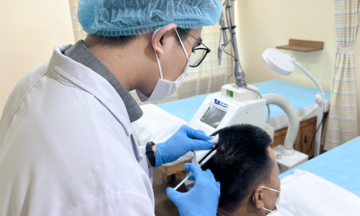
Doctor Trung examining a patient. Illustration: Tam Anh General Hospital |
A weakened liver struggles to perform its basic and vital functions, which include producing proteins (essential for blood clotting), transporting oxygen (supporting the immune system), producing bile (aiding digestion), storing sugar as glycogen, and removing harmful substances from the blood. When these functions are compromised, various symptoms can manifest.
Individuals with liver dysfunction often experience unexplained fatigue or discomfort, and a dull pain in the upper abdomen or the right hypochondrium (the liver area). Other common signs include jaundice (yellowing of the skin and eyes), easy bleeding or bruising, leg swelling, confusion, and forgetfulness. Additional symptoms may involve: dark urine, clay-colored stool, digestive disorders, loss of appetite, nausea, vomiting, and abnormal sleepiness.
Given the seriousness of liver dysfunction, which can affect multiple organs and lead to severe complications such as: hepatic encephalopathy, coagulopathy, infection, and kidney failure, you should seek medical attention immediately. A doctor can perform a thorough examination, determine the underlying cause, and initiate timely treatment.
To diagnose liver dysfunction, doctors may order various tests, including: liver function tests, serum tests for hepatitis A, E, B, and C, iron level checks, abdominal ultrasound, computed tomography (CT) scans, and magnetic resonance imaging (MRI). Patients diagnosed with liver dysfunction must adhere strictly to their prescribed treatment plan, take medication as directed by their doctor, and simultaneously implement crucial lifestyle changes. These changes include: abstaining from alcohol, reducing salt intake in their diet, and limiting red meat consumption.
Dr.CKII Huynh Van Trung
Center for Endoscopy and Gastrointestinal Endoscopic Surgery
Tam Anh General Hospital, TP HCM
| Readers can ask questions about digestive diseases here for doctors to answer |