A stent is a small mesh tube placed inside a coronary artery after angioplasty to keep the artery open and improve blood flow to the heart muscle. In your case, although a stent was placed to reopen the 80% narrowed coronary artery segment, which helps reduce the risk of myocardial infarction, this risk still exists.
Stent placement only reopens narrowed or blocked coronary artery segments; it does not eliminate the atherosclerotic process entirely. Patients still face a risk of myocardial infarction after intervention due to various factors, such as in-stent thrombosis, restenosis at the stent site, or the progression of atherosclerotic plaques in other artery segments leading to blockages.
In-stent thrombosis is a complication to be aware of. Blood clots forming inside the stent can easily cause acute vascular occlusion and lead to myocardial infarction. Factors such as acute coronary syndrome, complex vascular lesions, and early discontinuation of antiplatelet medication can increase this risk. After stent placement, patients should not stop medication independently, especially antiplatelet drugs. The duration of medication depends on the reason for stent placement, the risk of ischemia, and the individual's bleeding risk.
 |
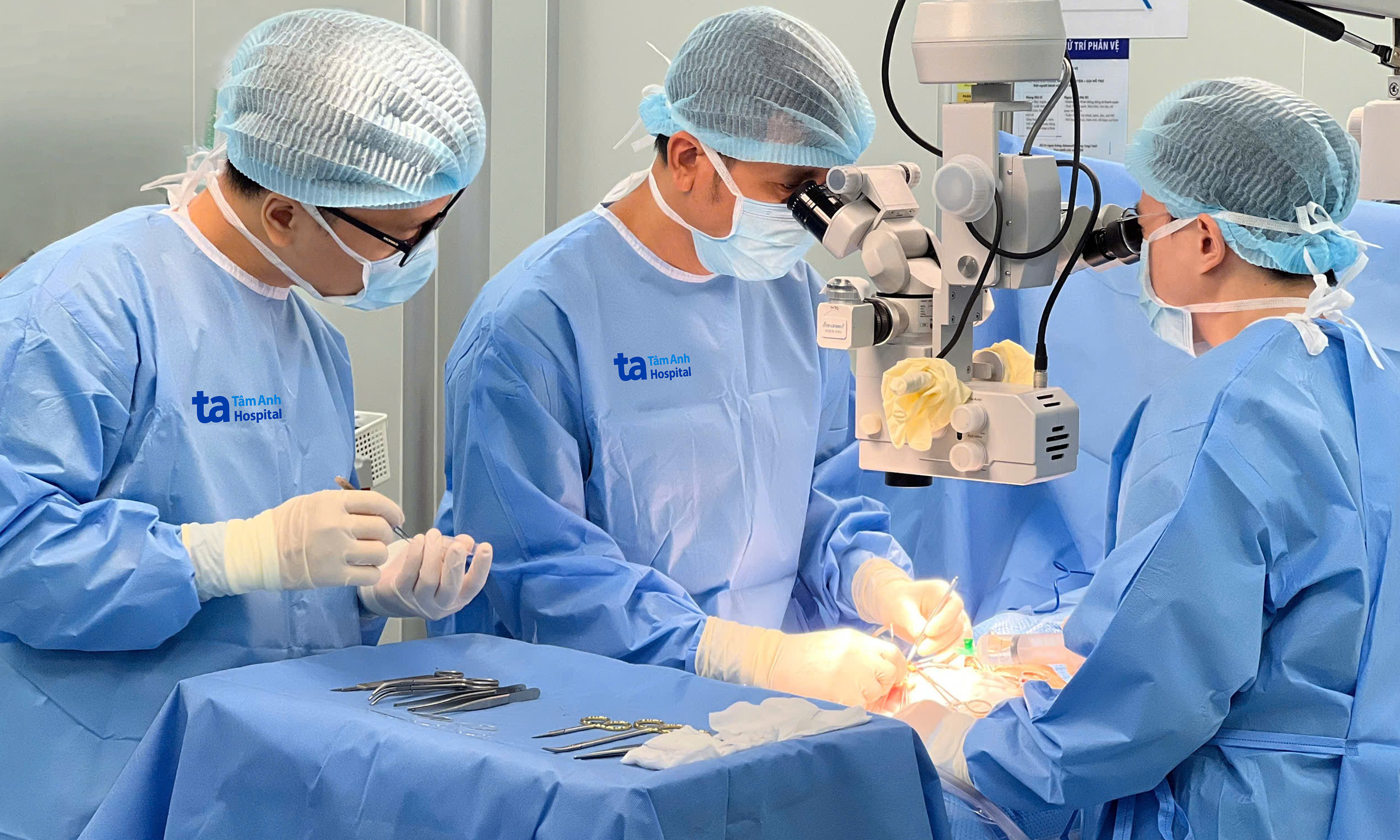
Doctor performing coronary stent intervention for a patient. Illustrative photo: Tam Anh General Hospital |
Atherosclerosis can still progress in artery segments that have not received stents. High cholesterol, hypertension, diabetes, smoking, being overweight, physical inactivity, and an unhealthy diet contribute to the progression of coronary artery disease.
When LDL cholesterol levels in the blood are high, cholesterol can accumulate in artery walls, contributing to the formation and progression of atherosclerotic plaques. Therefore, controlling blood lipids, particularly "bad" LDL cholesterol, is crucial for reducing the risk of coronary artery disease progression.
Following acute coronary syndrome or stent placement for coronary artery disease, patients must continue treatment and cholesterol control as prescribed by a doctor. If LDL cholesterol levels remain high despite appropriate medication, the doctor may adjust the dosage or combine it with other lipid-lowering drugs, depending on the case. Approximately 4-8 weeks after starting or changing treatment, patients should have their blood lipids rechecked to assess response and adjust if necessary.
You should control your blood pressure and blood sugar, quit smoking (if you smoke), maintain a healthy weight, follow a heart-healthy diet, and exercise regularly. After stent placement, if you experience chest pain or tightness, shortness of breath, sweating, nausea, dizziness, or symptoms similar to your previous illness, you must seek emergency cardiovascular medical attention immediately.
Dr. Le Thi Tho
Cardiology Center
Tam Anh General Hospital Hanoi
| Readers can send questions about cardiovascular disease here for a doctor's response |