Answer:
Fever is when the body temperature rises above 37,5 degrees C. Causes of fever include sunstroke, heat stroke, post-vaccination reactions, autoimmune diseases, virus infections, or urinary tract, digestive, and pelvic infections.
Pregnant women experiencing fever in the first ba months due to infections like Rubella, Cytomegalovirus, or Toxoplasma can lead to fetal birth defects. At the 8th week of pregnancy, the embryo is in a critical stage of organ formation. The neural tube typically closes around 6 weeks, so the highest risk period for neural tube defects caused by fever has passed. However, other parts such as the heart, kidneys, face, and body structure are still developing. The fetus may develop congenital defects such as cleft lip and palate or abnormalities in the kidneys or limbs.
Most cases of mild fever in pregnant women, when the cause is identified and controlled promptly, do not cause birth defects or long-term effects on the baby. You should consult a doctor for an accurate diagnosis and appropriate treatment. Crucially, adhere to your scheduled prenatal check-ups so the doctor can perform detailed ultrasounds to screen for fetal abnormalities, especially at the 11-13 weeks and 6 days, 20-22 weeks, and 30-32 weeks milestones. Doctors can utilize high-tech 3D and 4D ultrasound systems to meticulously evaluate fetal organ structures and detect abnormalities while in the womb.
Fever can easily lead to dehydration, so drink plenty of water, electrolyte replacement solutions, or fruit juice to regulate body temperature and support recovery. Rest, eat nutritious meals, and supplement with iron and folic acid to boost your immune system. During a fever, prioritize warm dishes like porridge, soup, and stews, which provide energy, reduce fatigue, and are easy to digest.
 |
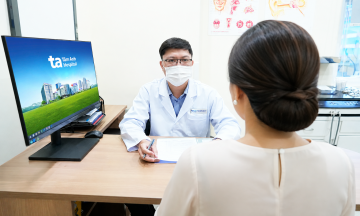
Dr. Nguyen Hoang Long consults a pregnant woman. Illustration photo: Tam Anh District 7 General Clinic |
Wear light, absorbent clothing made of materials like cotton or linen to allow your body to release heat easily. Avoid tight or layered clothing that can trap heat and raise body temperature. Use a warm towel (not cold water) to wipe areas such as the forehead, neck, armpits, and groin to naturally lower your temperature. Do not bathe in excessively hot water, as this can further increase body temperature.
Maintain a well-ventilated living space with a comfortable room temperature. If you have a stuffy nose, a humidifier can help ease respiratory discomfort. Pregnant women should not self-medicate with fever reducers or antibiotics without a doctor's prescription, as some medications can affect both maternal and fetal health.
If fever is accompanied by pelvic pain, abnormal discharge or bleeding, painful urination, shortness of breath, prolonged vomiting, or rash, seek immediate emergency medical care at a hospital.
Dr. Nguyen Hoang Long
Fetal Medicine Unit
Tam Anh District 7 General Clinic
| Readers can submit questions about obstetrics and gynecology here for doctors to answer |