Nutritionist Nguyen Thi Quynh from the Nutrition Department at Tam Anh General Hospital Hanoi states that adult women typically need about 150 micrograms of iodine daily. During pregnancy, iodine requirements increase as the body produces more thyroid hormones and supplies them to the fetus. Here are those who should consider supplementing this nutrient before pregnancy.
Limited use of iodized salt
Iodized salt is a common source of iodine in meals. Women who only use sea salt, pink salt, or seasonings without listed iodine content may not meet their needs. However, increasing salt intake solely for iodine is not advisable due to the health risks associated with high sodium. Those preparing for pregnancy should prioritize products clearly labeled "iodized salt".
Vegan or restrictive diets
Women following vegan diets or consuming limited dairy, eggs, fish, and seafood may receive less iodine from their food. Individuals restricting multiple food groups should review their diet to identify necessary nutrient replacements. A doctor or nutritionist can advise on meeting iodine needs through food and determine if supplements are necessary.
 |
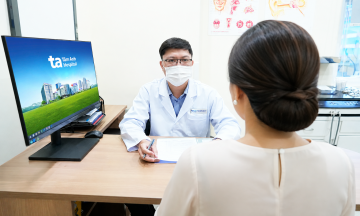
A doctor provides pre-pregnancy nutrition counseling to a woman. *Photo: Tam Anh General Hospital* |
Thyroid conditions
Women with a history of hypothyroidism, hyperthyroidism, autoimmune thyroiditis, goiter, or previous thyroid surgery should have a check-up before pregnancy. The doctor will assess their thyroid condition, current medications, and diet to provide appropriate advice.
Having a thyroid condition does not automatically mean self-supplementing iodine or completely avoiding it. Excessive iodine intake can affect thyroid function in some individuals. Those undergoing treatment should inform their doctor about all medications, vitamins, and supplements they are using, and not stop medication on their own.
Previously identified iodine deficiency
Women previously diagnosed with iodine deficiency or goiter related to this deficiency should discuss it with their doctor before pregnancy. Prolonged iodine deficiency can disrupt thyroid function. Iodine is also essential for the development of the fetal brain and nervous system.
Iodine needs increase during pregnancy, but supplementation should be based on diet, thyroid status, and any products the individual is currently using.
Micronutrient deficiency risk due to malabsorption
Women who have undergone weight loss surgery or have gastrointestinal conditions causing malabsorption may be deficient in many micronutrients, depending on their condition and diet. This group should undergo a comprehensive medical evaluation before pregnancy, rather than self-administering individual vitamins. The doctor will assess their diet, thyroid function, and current products to prescribe appropriate supplements.
Nutritionist Quynh advises women preparing for pregnancy to check the "ingredients" or "supplement facts" section on product labels to determine if a vitamin tablet contains iodine and its dosage per serving. Iodine may be listed as "iodine", "iodide", or "potassium iodide". Do not self-medicate with seaweed or kelp as a substitute for supplements, as the iodine content in these products can vary significantly.
Van Anh
| Readers can send nutrition questions here for doctors to answer. |