Hepatitis occurs when the liver is damaged or infected, impacting its ability to function. This condition manifests in various forms, including viral, toxic, and autoimmune hepatitis. Without timely treatment, hepatitis can lead to serious complications such as cirrhosis, liver failure, and liver cancer.
Hepatitis is categorized into two main types: acute, which appears suddenly and resolves within 6 months, and chronic, which persists for more than 6 months. In its early stages, hepatitis symptoms are often vague and can be mistaken for the flu or common digestive issues. Individuals may experience a sudden loss of appetite, a bitter taste in their mouth, an aversion to food smells, and nausea when exposed to strong food odors, particularly those of oily foods.
Another indicator of hepatitis is a dull or heavy pain in the right upper abdomen. This discomfort arises from an enlarged liver, which stretches the surrounding capsule. Patients often report persistent fatigue, low energy levels, mild afternoon fevers, and general body aches.
 |
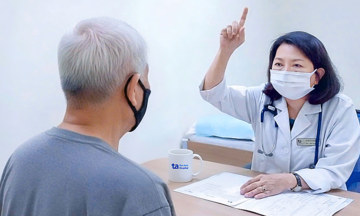
Doctor Tri advises a patient. Illustration: Tam Anh General Hospital
As hepatitis progresses, liver function declines, leading to the accumulation of toxins and bile pigments. This results in more obvious symptoms like jaundice, characterized by yellowing of the skin and eyes, as the liver struggles to metabolize bilirubin, a yellow bile pigment. This yellowing typically first appears in the whites of the eyes before spreading to the skin. At this stage, a patient's urine may become dark yellow, resembling strong tea, even with adequate fluid intake. Stools can appear gray or clay-colored due to bile duct obstruction, preventing bile from reaching the intestines. Other skin manifestations may include hives, persistent itching—often worse at night—due to toxin buildup, and small red spots with radiating branches, resembling spiders, commonly found on the chest, neck, and shoulders.
The symptoms you describe are not specific enough for a definitive diagnosis of hepatitis. It is advisable to consult a specialist in hepatitis and fatty liver disease for a thorough examination, accurate diagnosis, and appropriate, timely treatment. Self-medicating with herbal remedies or traditional medicine is not recommended, as a weakened liver is highly susceptible to further damage from unverified active compounds or impurities.
Doctor Nguyen Huu Tri
Department of Gastroenterology
Center for Endoscopy and Gastrointestinal Endoscopic Surgery
Tam Anh General Hospital Ho Chi Minh City
| Readers can submit questions about digestive diseases here for a doctor's response. |