Doctor Nguyen Huu Khanh, Head of Neurology at Tam Anh General Hospital TP HCM's Neuroscience Center, stated that stroke typically occurs in individuals with pre-existing risk factors. However, an unstable lifestyle over several days can disrupt blood pressure, blood sugar, and metabolic control, creating conditions for cerebrovascular events.
Individuals with high blood pressure require close monitoring. During holidays, if patients miss medication or take it irregularly, consume a high-sodium diet, drink alcohol, or get insufficient sleep, their blood pressure can fluctuate erratically. Upon returning to work, psychological stress and sudden changes in routine can elevate blood pressure, leading to an increased risk of cerebral hemorrhage or blood clot formation.
Diabetics also face a high risk of stroke after the Lunar New Year. A diet high in carbohydrates and inactivity can lead to elevated blood sugar. Prolonged high blood sugar damages blood vessel walls, promoting cerebral atherosclerosis. When combined with post-holiday stress, the risk of cerebrovascular accidents increases.
According to Doctor Khanh, individuals with cardiovascular diseases such as atrial fibrillation, heart failure, and coronary artery disease must adhere to continuous treatment. Atrial fibrillation promotes blood clot formation in the heart. These clots can travel to the brain, causing cerebral occlusion. Stopping or taking medication irregularly during a holiday increases this risk.
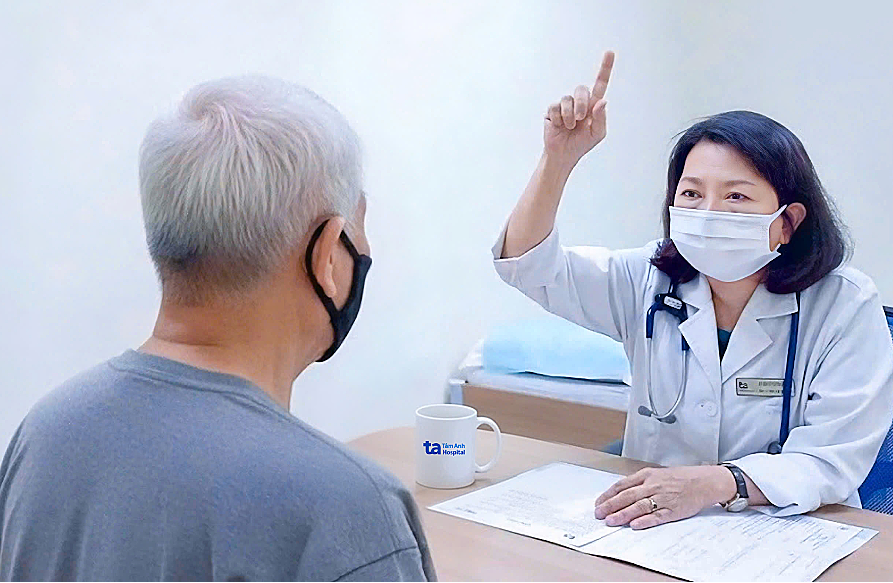 |
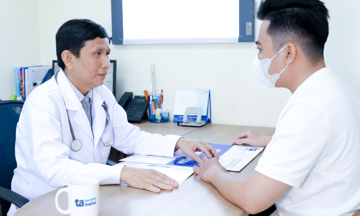
A doctor conducting a stroke screening for a patient with underlying conditions. Photo: Tam Anh General Hospital
The elderly are particularly vulnerable due to age-related changes in their vascular system. After a holiday, factors such as high blood pressure, dehydration, and infection can trigger a stroke.
Doctor Khanh noted that young people without underlying conditions are still at risk of stroke after a long holiday if they consume excessive alcohol, smoke, stay up late, and remain inactive for several consecutive days. These factors can lead to dyslipidemia and increased blood viscosity, resulting in cerebrovascular accidents. Psychological stress from a heavy post-Lunar New Year workload, deadline pressure, and responsibilities can elevate vasoconstrictive hormones, increase blood pressure, and cause heart rhythm disorders, thereby impacting cerebral blood vessels.
According to Doctor Khanh, after a holiday, individuals with risk factors should reorganize their daily routines, maintain adequate sleep, limit alcohol consumption, and monitor their health indicators. Regularly checking blood pressure, blood sugar, and blood lipids can help detect abnormalities early.
Should symptoms such as sudden onset headache, dizziness, numbness and weakness in limbs, difficulty speaking, facial drooping, or altered consciousness appear, patients must seek medical attention for examination. Through brain CT and MRI scans, doctors can assess the condition of cerebral blood vessels, detect stenosis, occlusion, aneurysm, or brain damage, thereby enabling treatment and prevention of cerebrovascular events.
Trong Nghia
| Readers can submit questions about neurological diseases here for doctors to answer. |