On the afternoon of 20/11, Nay Phi La, Director of Phu Yen Department of Health, reported that heavy rain since 18/11 had caused flooding and power outages at 25 medical facilities across the province. Most of these were health stations, with water overflowing into their courtyards and access roads cut off. Tragically, a staff member from M'Drak Health Center died in a traffic accident on National Highway 26 while commuting to work amidst heavy rain and strong winds.
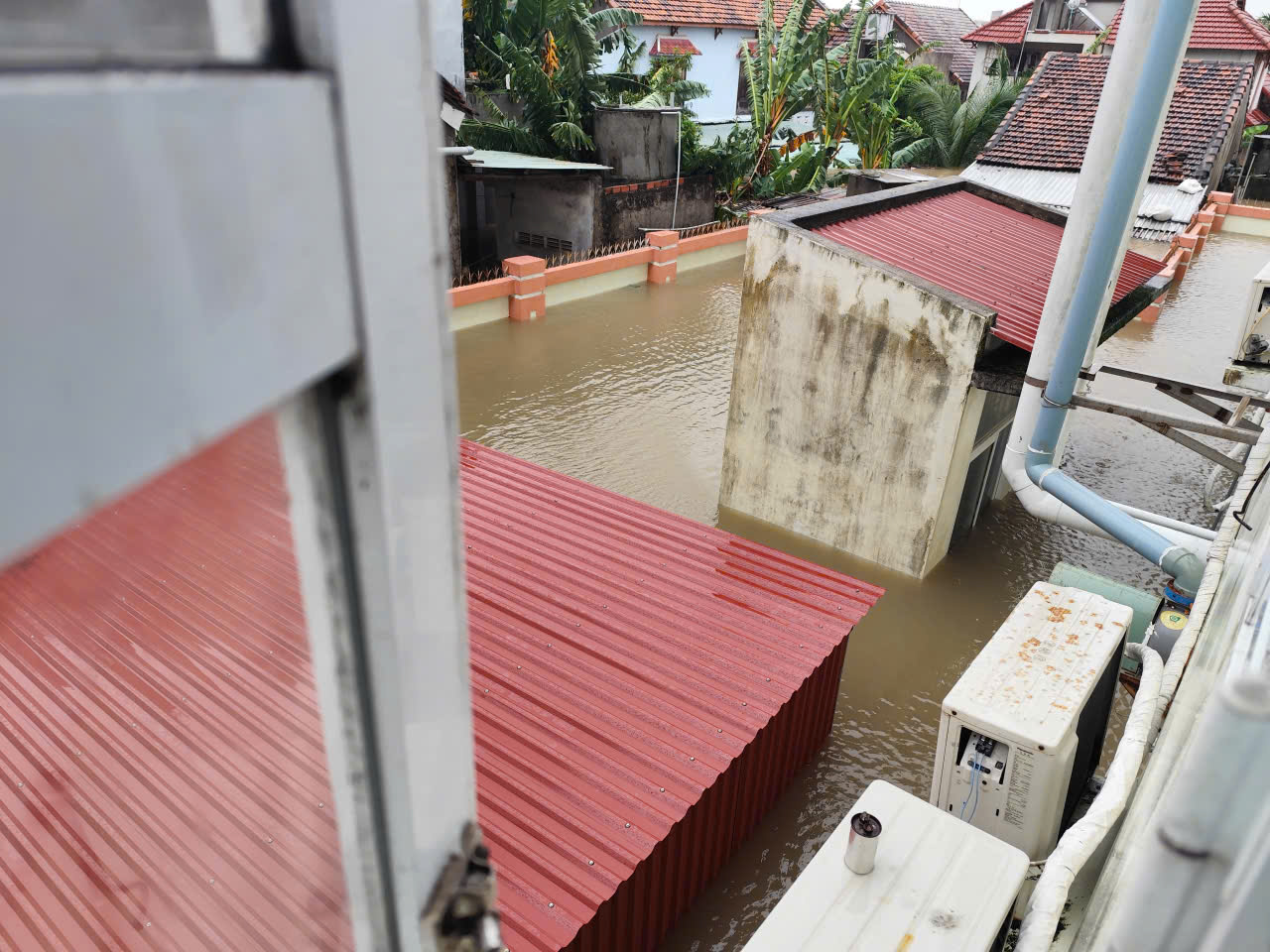 |
Phu Yen Center for Pharmaceutical and Cosmetic Testing submerged in deep water. *Photo provided by a doctor*. |
Despite the severe impact on medical facilities, treatment for over 3,200 inpatients at provincial hospitals remains stable, La stated. Emergency cases, injuries, and women in labor are handled on-site or safely transferred to higher-level facilities. Phu Yen Maternity and Pediatrics Hospital, however, remains flooded, maintaining only on-duty staff to care for existing patients.
In Binh Dinh, heavy rain and flooding from the early morning of 18/11 surrounded three major hospitals in Quy Nhon: the Tuberculosis and Lung Disease Hospital, the Mental Hospital, and the Traditional Medicine and Rehabilitation Hospital. By the afternoon of 20/11, the water had receded, prompting these units to mobilize personnel, police, and military to clear mud and sanitize the environment.
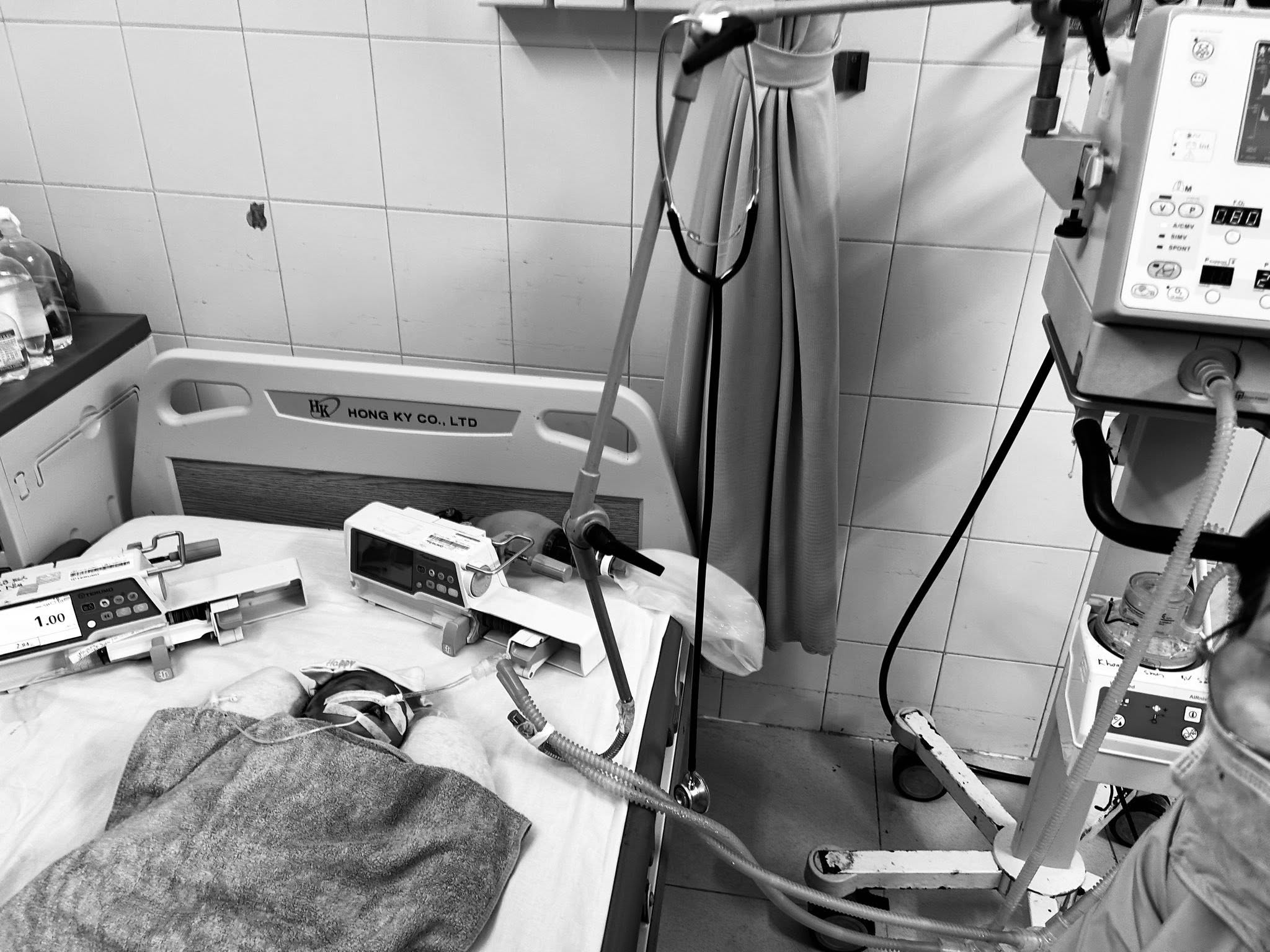 |
Phu Yen General Hospital received severe newborn cases due to the isolation of Phu Yen Maternity and Pediatrics Hospital by flooding. *Photo provided by the hospital*. |
According to Le Quang Hung, Director of Binh Dinh Department of Health, the Traditional Medicine and Rehabilitation Hospital resumed operations from noon the same day. Meanwhile, Tuy Phuoc District Health Center remains isolated but continues examination and treatment activities thanks to generators and a proactive stock of essential supplies.
"The health sector remains vigilant because floodwaters could rise again. We have requested units to be on duty 24/24 to be ready to respond", Dr. Hung said.
To prevent post-flood epidemics, the health sectors of both provinces are implementing environmental treatment measures and disinfecting water sources with Chloramin B. Mobile epidemic prevention teams are maintained to monitor and prevent the outbreak of diseases such as: diarrhea, conjunctivitis, dengue fever, and hand, foot, and mouth disease. Binh Dinh Department of Health also plans to mobilize 300 medical staff to support affected areas as soon as the water fully recedes.
Le Phuong