Dr. Au Van Khe, a specialist level one at University Medical Center Ho Chi Minh City - Campus 3, stated that the habit of self-treating headaches with essential oils or pain patches is very common. While these products offer quick relief, they do not address the root cause of the illness.
Why do applying essential oils and pain patches relieve headaches?
According to Dr. Khe, common essential oils and pain patches contain ingredients such as menthol, camphor, methyl salicylate, or other topical pain-relieving active ingredients. Upon skin contact, these substances stimulate sensory nerve endings, creating a local cool, warm, or tingling sensation.
This effect temporarily distracts patients from pain, but does not treat its underlying cause. Essential oils or pain patches cannot diagnose or treat deep-seated reasons for headaches, such as brain, vascular, eye, ear, nose, and throat conditions, or systemic illnesses.
Furthermore, many pain patches are specifically manufactured for muscle and joint pain, sprains, back pain, or arthritis, and are not intended as headache treatments. Individuals should never apply patches to the forehead, temples, scalp, face, or near the eyes if the product label and instructions do not explicitly allow it.
Risk of masking dangerous medical conditions
Feeling pain subside after applying essential oils or patches does not mean the illness is cured. Prolonged self-treatment at home can lead to delays in seeking medical attention, causing patients to miss crucial opportunities for early detection of acute or life-threatening medical conditions.
Especially for individuals over 50, if a new headache suddenly appears, pain intensifies, or its nature differs significantly from previous headaches, complacency must be avoided.
Similarly, the common habit of attributing all headaches, dizziness, and fatigue to "trung gio" (a traditional belief in being affected by wind/cold) and then solely applying essential oils or patches is a mistake. This inadvertently masks important clinical symptoms, hindering accurate diagnosis and modern medical treatment.
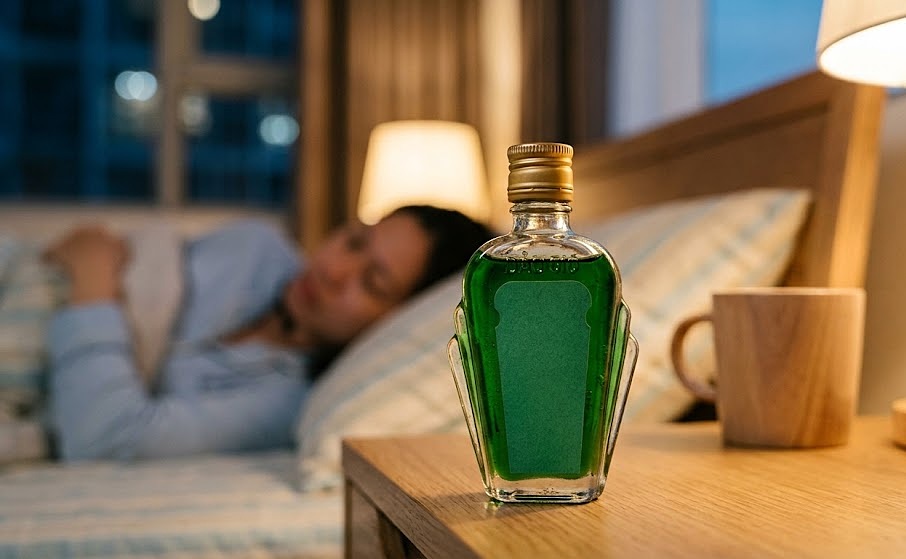 |
Many people habitually apply essential oils or pain patches immediately when they have a headache. *Illustration by AI* |
A traditional medicine perspective
From a traditional Eastern medicine perspective, headaches are categorized as "dau thong" (head pain) and can stem from various causes, including: invasion of external pathogens, imbalanced qi and blood, phlegm-dampness, blood stasis, or dysfunction of internal organs.
Each type of illness presents with distinct characteristics regarding pain location, quality, onset time, factors that increase or decrease pain, and accompanying symptoms. The comfort felt after warming with essential oils does not indicate that the pain is of the "phong han" (wind-cold) type; it is merely a reference sign and an insufficient basis to determine the specific illness pattern.
Therefore, traditional medicine treatment requires a comprehensive examination and "bien chung luan tri" (syndrome differentiation and treatment), rather than solely relying on temporary local warming or comfort.
Expert advice
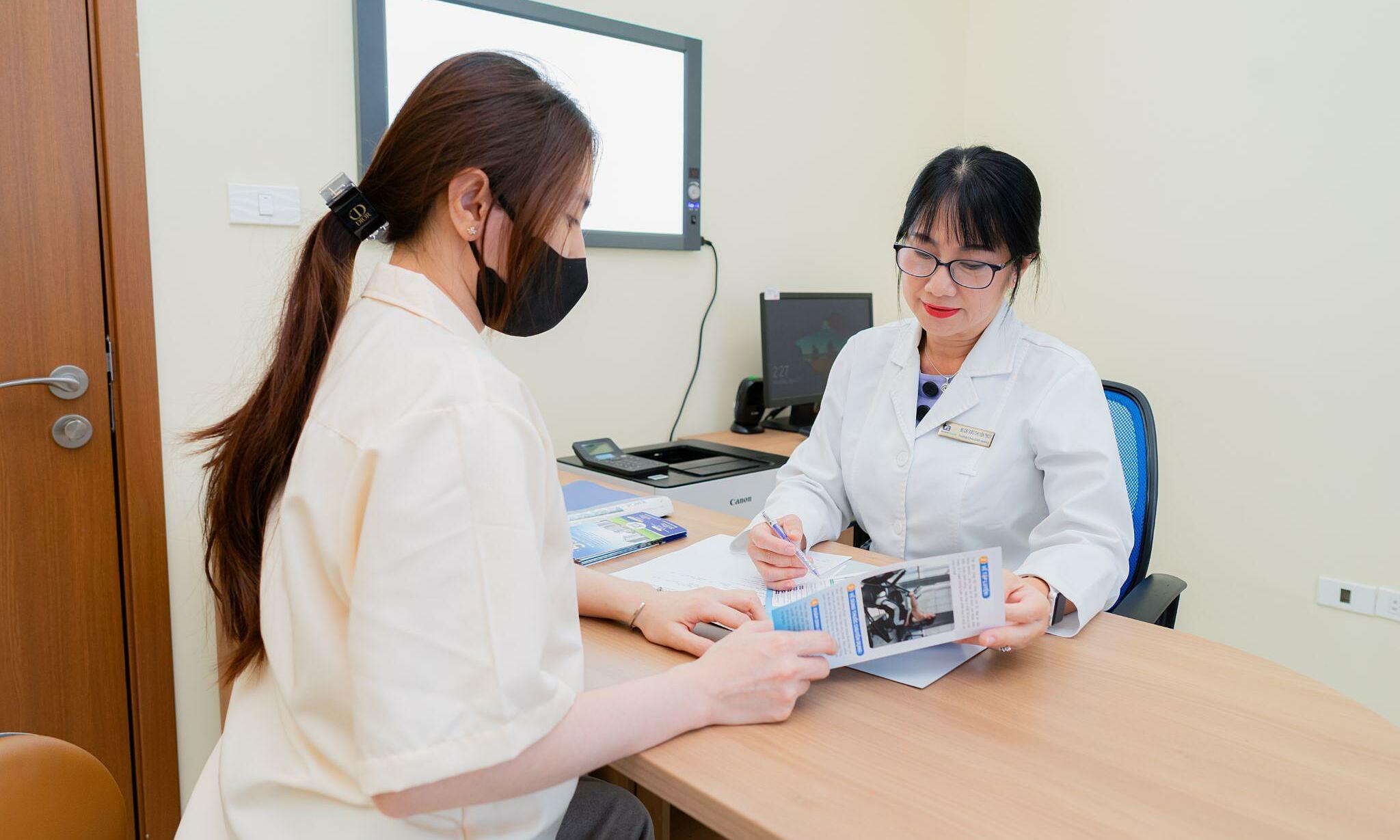
When headache symptoms appear, especially in individuals over 50 or if the pain has an unusual character, the top priority is to seek medical attention for examination and evaluation by a doctor to rule out dangerous secondary causes.
After an accurate diagnosis, the doctor will then provide the most suitable treatment regimen for each patient. Depending on the case, the regimen may combine medication, acupuncture, acupressure massage, or other specialized methods, rather than solely relying on the habit of applying essential oils or pain patches at home.
My Y