Uric acid forms when the body breaks down purine, a substance found in body cells and many foods. Normally, the kidneys primarily excrete uric acid. When the body produces more uric acid than it can excrete, blood uric acid levels rise, a condition known as hyperuricemia.
For many, hyperuricemia causes no symptoms. However, persistently high uric acid levels can lead to urate crystal formation and deposition in joints, causing gout, or contribute to uric acid kidney stones. Hyperuricemia often co-occurs with obesity, hypertension, cardiovascular disease, and chronic kidney disease. This association does not mean uric acid directly causes all these conditions.
Doctor of First Degree Specialization Nguyen Tran Nhu Thuy from Benh vien Dai hoc Y Duoc TP HCM - Co so 3, states that alongside prescribed medications, a proper diet helps control uric acid, manage weight, and reduce the risk of gout attacks.
Limit or avoid
The following foods and beverages can increase uric acid or negatively affect metabolic health:
Organ meats.
Anchovies, sardines, herring, some types of mackerel.
Fish roe.
Certain purine-rich seafood, especially shellfish.
Alcohol, beer.
Sugary soft drinks, energy drinks, and beverages high in fructose.
Eat in moderation
Complete avoidance is not necessary, but portion control is advisable:
Beef, pork, chicken, duck, and game meats.
Other types of fish and seafood.
Processed meats like sausages, bacon, cold cuts.
Prioritize cooking methods such as boiling, steaming, braising, or pan-frying with minimal oil. Limit fried foods and those high in fat to manage weight and protect cardiovascular health.
 |
Eggs are suitable for individuals with high blood uric acid. Photo: Bui Thuy |
Prioritize
These foods are suitable for individuals with hyperuricemia:
: Green vegetables and root vegetables.
- Whole fresh fruits like apples, bananas, guavas, oranges, grapefruits, grapes, or cherries; limit juices and fruits with added sugar.
- Low-fat or skim milk and dairy products.
- Eggs.
- Tofu, soybeans, beans, and nuts.
- Whole grains like oats, brown rice, corn.
- Olive oil and vegetable oils, used in reasonable amounts.
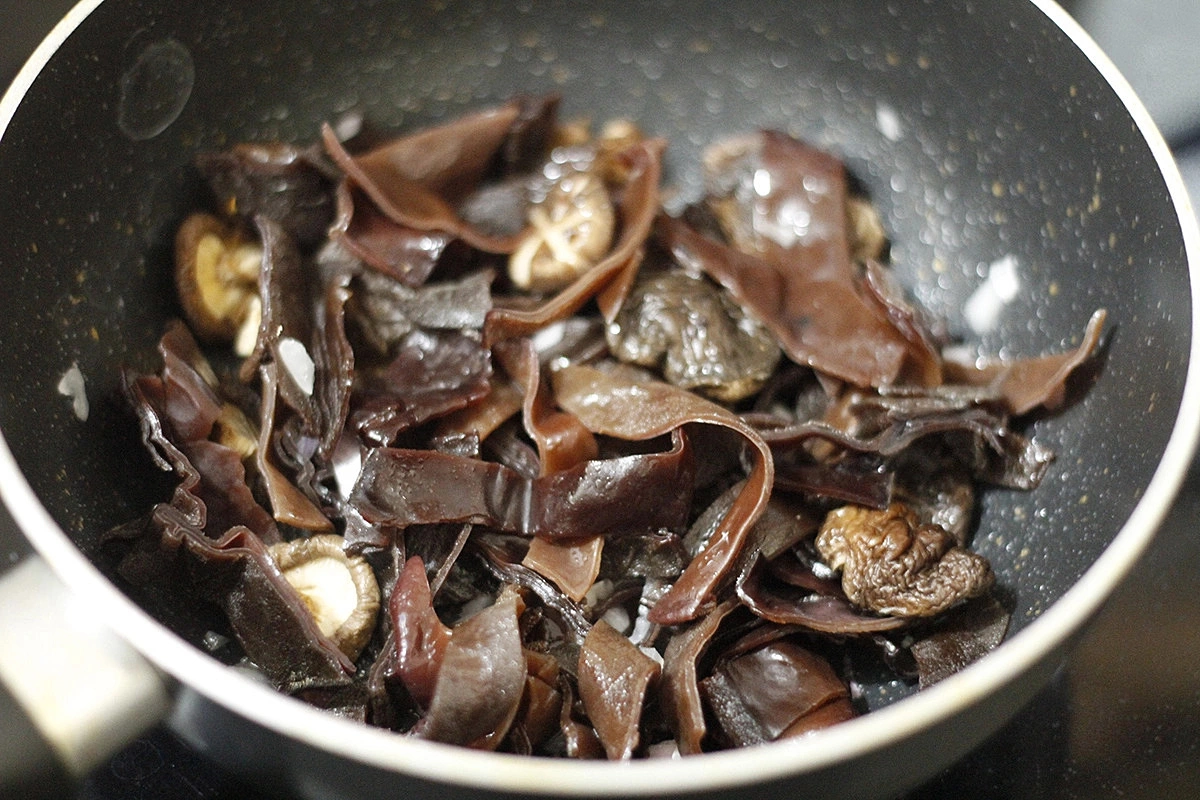
Beans, tofu, mushrooms, asparagus, and some vegetables contain purine but generally do not require strict avoidance for this reason. Patients should prioritize a diverse, balanced diet rather than eliminating too many plant-based foods.
Drink enough water
Many adults can maintain a total fluid intake of approximately 2-3 liters daily if there are no contraindications. Actual needs depend on body condition, activity level, weather, and co-existing medical conditions.
Individuals with kidney disease, heart failure, liver disease, edema, or those advised to restrict fluids should follow their doctor's guidance, not self-administer 2-3 liters daily.
Lifestyle changes
Beyond diet, patients should:
Maintain a healthy weight; if weight loss is necessary, do so gradually.
Exercise regularly, aiming for at least 150 minutes of moderate intensity physical activity weekly if health permits.
Limit alcohol, sugary soft drinks, and high-sugar beverages.
Avoid prolonged fasting or rapid weight loss.
Do not stop or change current medications without medical advice.
Adhere to treatment and follow-up appointments as guided by a doctor.
Additionally, you should visit a medical facility for examination and consider testing if you fall into one of the following groups:
Sudden, severe joint pain accompanied by swelling, warmth, or redness, especially in the big toe joint, suggesting gout.
Diagnosed with gout and requiring treatment monitoring.
History of recurrent kidney stones or suspected uric acid stones.
Chronic kidney disease.
Overweight, obese, diabetic, hypertensive, or having metabolic syndrome, especially with multiple risk factors.
Currently using certain medications that can increase blood uric acid, such as diuretics, and advised by a doctor for monitoring.
Undergoing or preparing for chemotherapy, radiation therapy, or having a condition that increases the risk of rapid cell lysis.
Not all individuals with hyperuricemia require uric acid-lowering medication. Doctors make decisions based on symptoms, history of gout, uric acid levels, kidney function, presence of kidney stones, and co-existing conditions.
Hyperuricemia is a significant risk factor for gout, but not everyone with high uric acid will develop the disease. This condition also links to kidney stones and often accompanies chronic kidney disease, hypertension, or metabolic issues.
A balanced diet, healthy weight, regular exercise, and appropriate treatment contribute to uric acid control, reducing gout attacks and promoting long-term health.
My Y