Many people mistakenly believe that food stored in the refrigerator remains safe. However, this notion does not apply to individuals with chronic kidney disease. Recently, Dr. Hung Yung-hsiang, a nephrologist in Taiwan (China), highlighted this danger by sharing a clinical case involving a 65-year-old man, Chen, who suffered from stage 3 chronic kidney failure.
Last weekend, Chen wrapped leftover seafood noodles, cooked with clams from lunch, and stored them in his refrigerator. The following evening, he reheated the noodles in the microwave. Less than four hours later, he began experiencing severe vomiting, diarrhea, and shivering.
Upon arrival at the emergency room, Chen's blood pressure had plummeted to 75/45 mmHg, and he developed septic shock and acute kidney injury. He required admission to the intensive care unit and underwent dialysis for one week. The incident was attributed to a high density of Staphylococcus aureus and Vibrio parahaemolyticus bacteria that had proliferated in the overnight seafood. These bacterial toxins are heat-resistant, meaning microwave reheating could not eliminate them. For kidney patients, whose immune systems and toxin elimination capabilities are compromised, these refrigerated noodles nearly proved fatal for Chen.
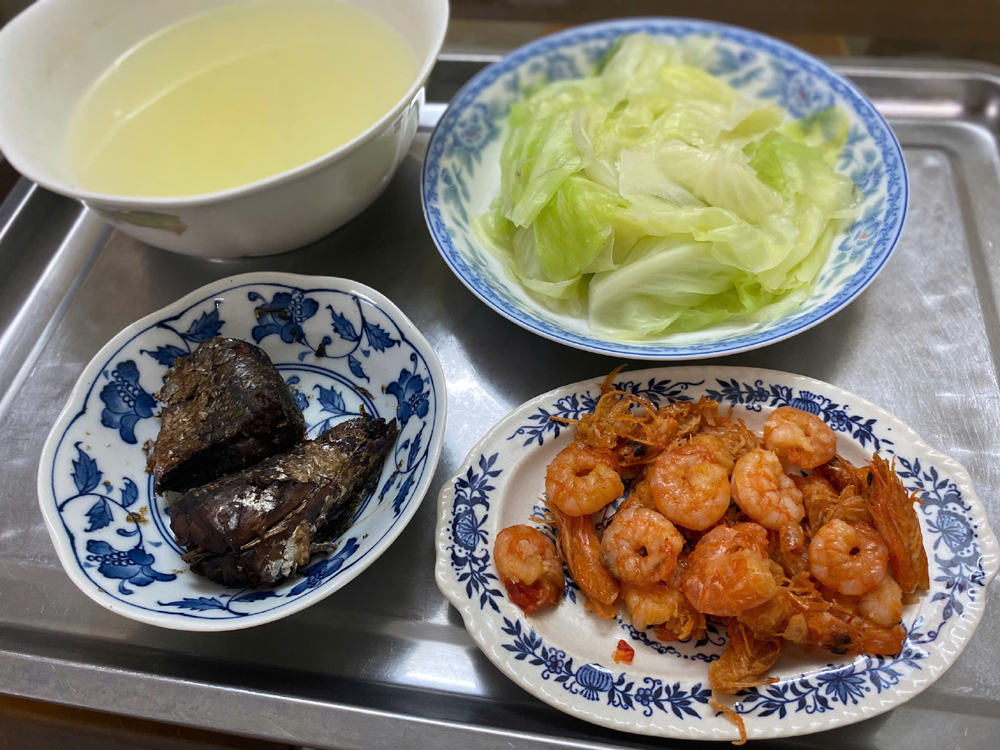 |
Illustration: Binh Minh
According to Dr. Hung, many patients and their families hold the misconception that simply refrigerating food guarantees its safety. He emphasizes that low temperatures only inhibit bacterial growth; they do not kill bacteria. Some dangerous strains, such as Listeria, can even continue to thrive at 4°C.
For individuals with kidney disease, both toxin elimination mechanisms and immune cell function are severely impaired. Consequently, even a small amount of invading toxins can trigger a gastrointestinal inflammatory response, leading to dehydration, severe electrolyte imbalances like hyperkalemia, and potentially sepsis. Dr. Hung has identified five categories of leftover foods that kidney patients should absolutely avoid. Even if refrigerated, these items should be discarded immediately.
The first category includes seafood such as shrimp, crab, clams, and fish. This food group spoils quickly, generating numerous protein decomposition products that place a heavy burden on the liver and kidneys. Stored seafood also provides a favorable environment for Vibrio parahaemolyticus bacteria and heat-resistant toxins to develop, agents that are not destroyed by normal cooking temperatures.
In addition to seafood, leafy green vegetables like spinach, bok choy, or celery contain high nitrate levels. When cooked and left for extended periods, bacterial activity converts these nitrates into harmful nitrites. Furthermore, repeatedly reheating vegetables increases the accumulation of potassium ions, posing a significant risk of hyperkalemia complications in kidney failure patients.
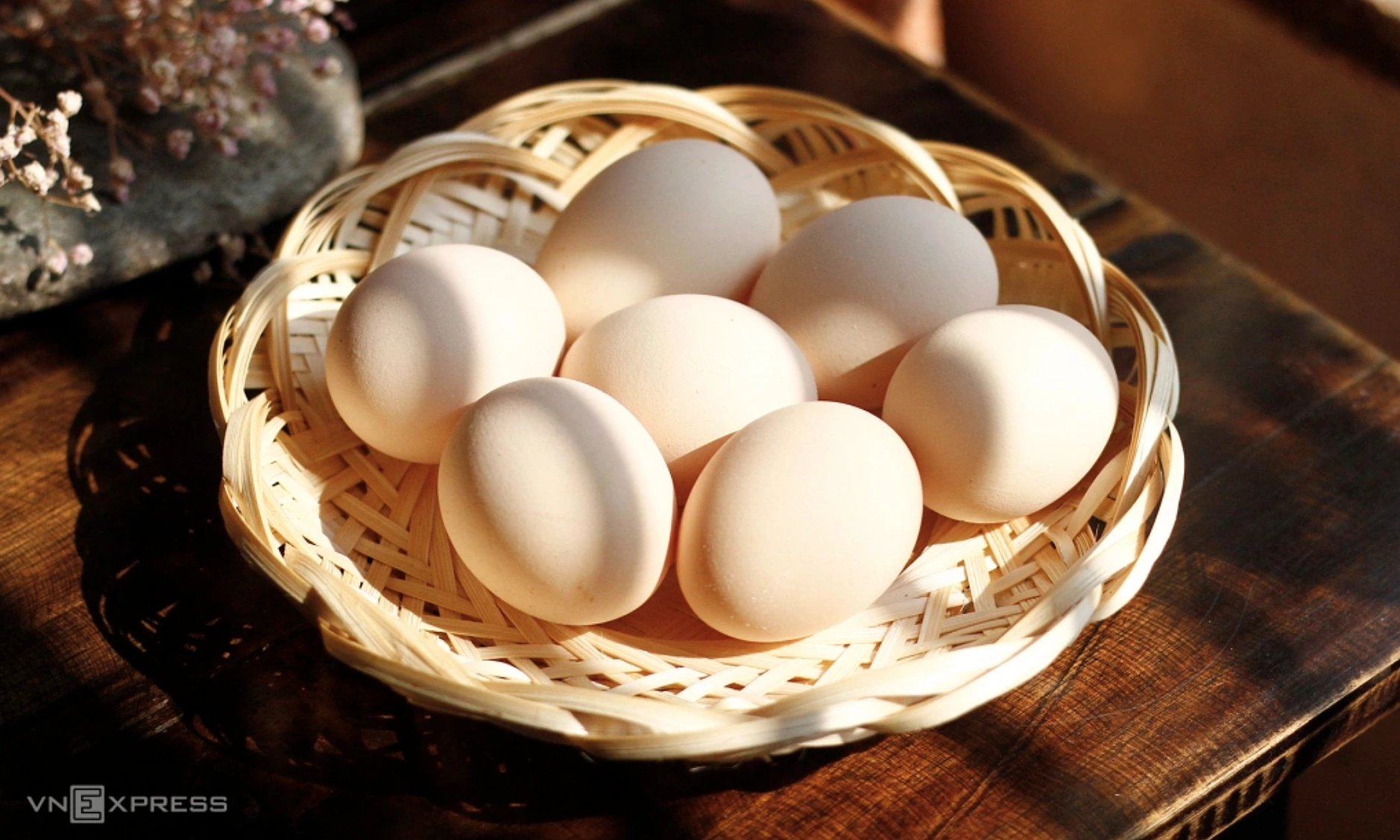
Another risk stems from soft-boiled eggs and undercooked egg dishes, such as runny fried eggs, which inherently harbor Salmonella bacteria. After overnight storage, these bacteria can multiply exponentially, easily leading to a severe acute gastrointestinal inflammation outbreak.
Leftover cold dishes and salads also present a high risk. Since they do not undergo high-temperature sterilization during preparation, cold dishes naturally contain more microorganisms. After being left overnight, whether refrigerated or not, they become ideal environments for Listeria and E. coli bacteria. Moreover, these dishes typically cannot be reheated before consumption, making them even more dangerous.
Finally, processed soy products like tofu, soy milk, or dried tofu contain abundant water and plant protein, serving as an ideal culture medium for bacteria. This food group ferments and spoils easily overnight. Even without a distinct sour smell, the bacterial density inside may have already exceeded safe levels, potentially causing severe intestinal infections.
Dr. Hung emphasizes that managing and caring for chronic kidney failure patients requires persistence, with food safety and hygiene principles being paramount. The safest solution involves consistently cooking food thoroughly, preparing fresh food for each meal, and consuming it immediately after cooking.
 |
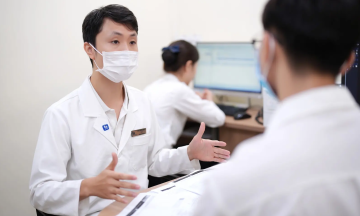
Dr. Hung Yung-hsiang, a nephrologist in Taiwan (China). Photo: Tang Chaoun
Binh Minh (Source: SETN)