Leading a delegation to Gia Lai from 23/11, Nguyen Vu Trung, Director of the Pasteur Institute in Ho Chi Minh City, highlighted the environmental pollution after the floods, which poses a risk of various diseases. These include diarrhea and other waterborne illnesses, dengue fever, measles, hand-foot-and-mouth disease, influenza, and skin and eye conditions. A team of Pasteur Institute experts, led by Deputy Director Nguyen Vu Thuong, also arrived in Lam Dong to provide urgent support and mitigate the risk of outbreaks.
In many affected areas, water recedes slowly, and thick layers of mud make cleanup and environmental treatment difficult. Furthermore, medical supplies and equipment are still insufficient. In Gia Lai, hospitals such as Quy Nhon Hospital for Tuberculosis and Lung Diseases and Quy Nhon Mental Hospital remain flooded. Many areas are impacted by landslides and accidents during recovery efforts. Health personnel, in coordination with the military and local authorities, are conducting environmental sanitation, spraying Cloramin B, clearing drains, collecting animal carcasses, and cleaning drilled and dug wells. Many households have received Cloramin B and Aquatabs to treat their water sources.
This morning, the Pasteur Institute in Ho Chi Minh City donated 4,000 doses of VAT vaccine and 2,000 doses of SAT serum to Gia Lai for tetanus prevention. Residents in the affected areas, along with rescue forces, face risks of injury and wound contamination, increasing their susceptibility to tetanus. Tetanus is a dangerous disease that can be fatal if not vaccinated against promptly. The donated vaccines will facilitate timely treatment and protect high-risk groups after the floods.
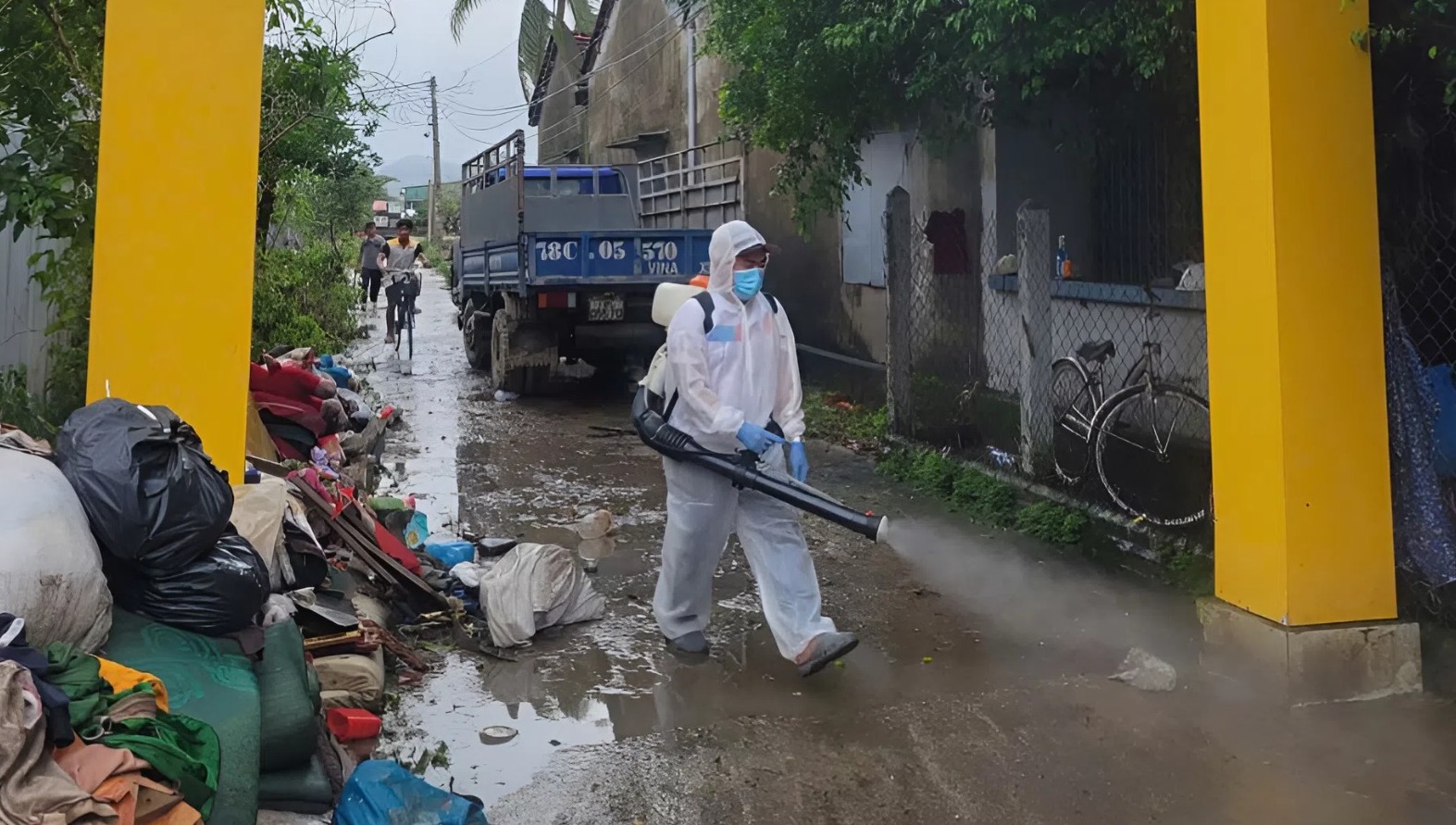 |
Health forces spray disinfectant and clean the environment after the water recedes. Photo: Dak Lak Department of Health |
In Dak Lak, heavy rains and floods have isolated many roads. Several medical stations, including Hoa Tri, Hoa Thang, Hoa Hoi, Krong Ana, and Krong Bong, were either submerged or damaged. Some locations reported damage to vaccine refrigerators, equipment, and supplies. Mud, refuse, and animal carcasses are widespread in residential areas, increasing the risk of pathogen spread.
Nay Phi La, Director of the Dak Lak Department of Health, stated that mobile teams from the Provincial Center for Disease Control have been mobilized. They are collaborating with police and military personnel for comprehensive environmental sanitation, chemical disinfection spraying, and mud dredging. Schools, medical stations, and residential areas are being treated immediately after the water recedes. The locality continues to collect and dispose of dead animal carcasses, disinfect drilled and dug wells, spray insecticides in flooded areas, and enhance water quality monitoring from treatment plants to households.
Khanh Hoa faces a similar situation. Local authorities are requesting support for additional personnel, more Cloramin B, medical kits, sprayers, and Pyrethrine chemicals.
Over the past few days, hundreds of medical staff from Ho Chi Minh City have traveled to flood-affected regions, bringing tens of thousands of medicine bags. The teams are working with local health authorities to provide free examinations and medicine to disadvantaged residents, the elderly, children, and patients with man tinh conditions. They also support the temporary restoration of medical facilities and offer advice on environmental hygiene and disease prevention.
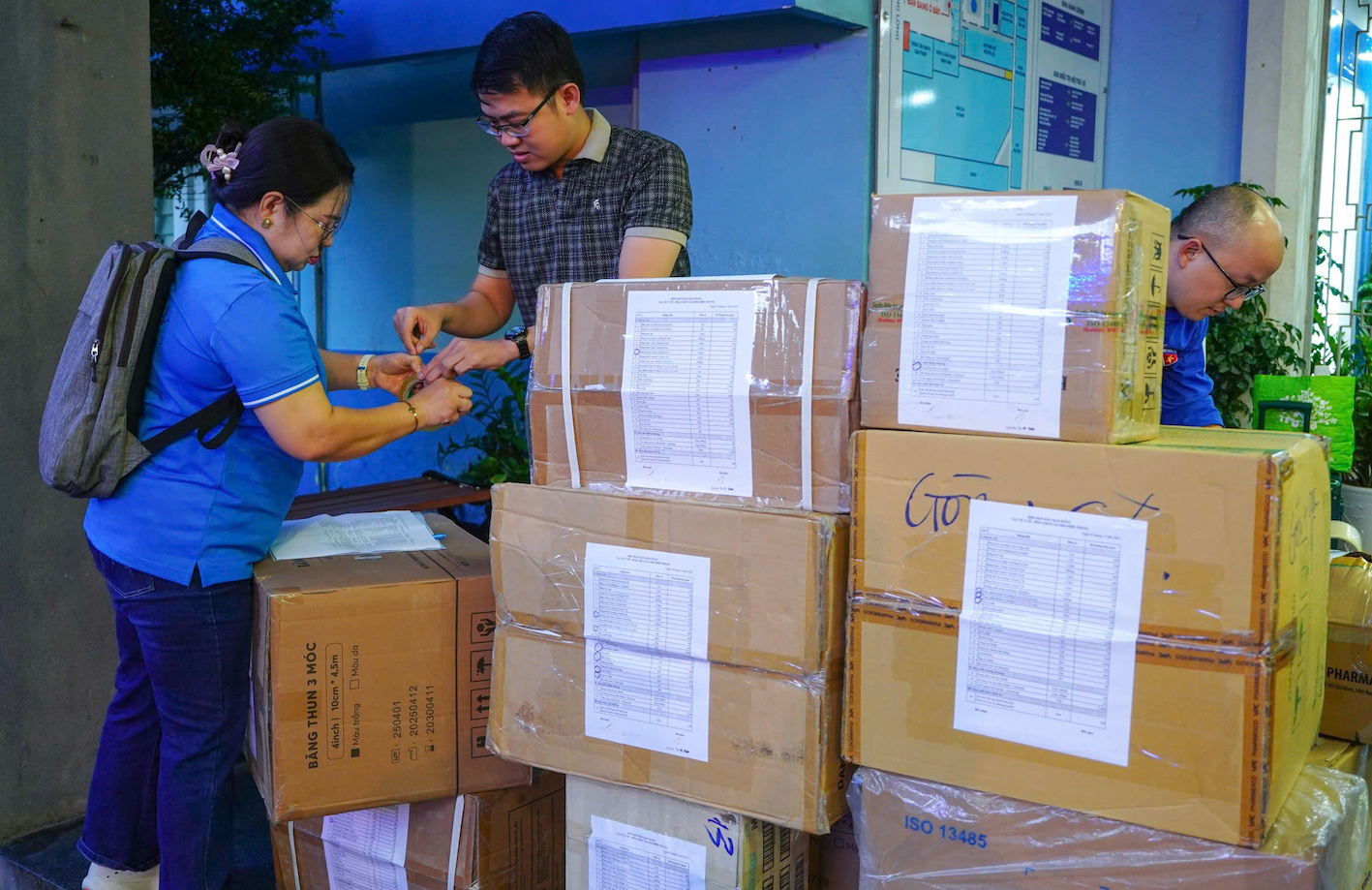 |
Ho Chi Minh City medical staff load supplies onto a vehicle to assist Dak Lak, morning 25/11. Photo: Gia Dinh People's Hospital |
Residents are advised to use clean water, drink boiled water, or treat it with Cloramin B and Aquatabs when provided. They should also eat cooked food and wash hands with soap before eating and after using the toilet. Avoid bathing or washing faces with contaminated water, and prevent children from playing in flooded areas. It is important to keep warm, especially for young children and the elderly, and limit contact with individuals showing respiratory symptoms. Do not share towels or washbasins to prevent conjunctivitis.
After wading through water, it is essential to wash and dry hands and feet thoroughly and avoid wearing damp clothes to prevent skin diseases. Once the water recedes, families should clear mud, unblock drains, fill stagnant puddles, properly bury refuse and animal carcasses, eliminate mosquito larvae and pupae, and cooperate with local authorities when chemical spraying is implemented. If symptoms such as fever, diarrhea, vomiting, or conjunctivitis appear, residents should seek medical attention early for timely examination and treatment.
Le Phuong