


Master, Doctor Pham Quang Khai, from the Department of Urology - Andrology Surgery at Benh vien E, stated that kidneys play many vital roles in the body. Therefore, when the body experiences abnormalities, the kidneys will show warning signs.
However, chronic kidney disease often develops silently with no symptoms, meaning patients in early stages may show no distinct signs. When symptoms do appear, the disease is usually in its later stages, making treatment difficult and less effective.
The doctor outlined several nighttime signs that warn of potential kidney disease:
Frequent nighttime urination: A healthy person typically urinates zero to one time per night. When kidneys are weak, they lose their ability to concentrate urine, leading to frequent nighttime urination. Frequent urination is defined as urinating more than 10 times during the day and more than three times at night. If this condition persists, patients should seek examination at hospitals with a urology specialty for timely diagnosis and treatment. Doctors will order blood tests, urinalysis, and urinary system ultrasounds to screen for causes.
Note that abnormal urine (often more noticeable in the evening), such as excessive foam (proteinuria), dark color, or blood, indicates potential glomerular damage.
Mild swelling that is more pronounced in the evening or at night: Many individuals experience swollen legs, ankles, or eyelids, finding their shoes feel tighter in the evening. While swelling is not always 100% due to kidney issues, swelling combined with frequent nighttime urination is a warning sign that requires a check-up.
Shortness of breath or palpitations when lying down: Feeling chest tightness and difficulty breathing when lying down could indicate fluid retention affecting the lungs or an electrolyte imbalance (especially potassium). These are serious signs that require prompt medical attention.
Itchy, dry skin at night: Increased itching at night, which does not improve with moisturizer, may result from the accumulation of urea and toxins in the blood.
Kidney area back pain (worsens when lying down): Dull pain in the flank area could be caused by kidney stones, kidney inflammation, or pyelonephritis. Kidney pain typically does not improve with rest, massage, or stretching.
Insomnia and night cramps (less specific): These can be due to electrolyte imbalances or toxin accumulation.
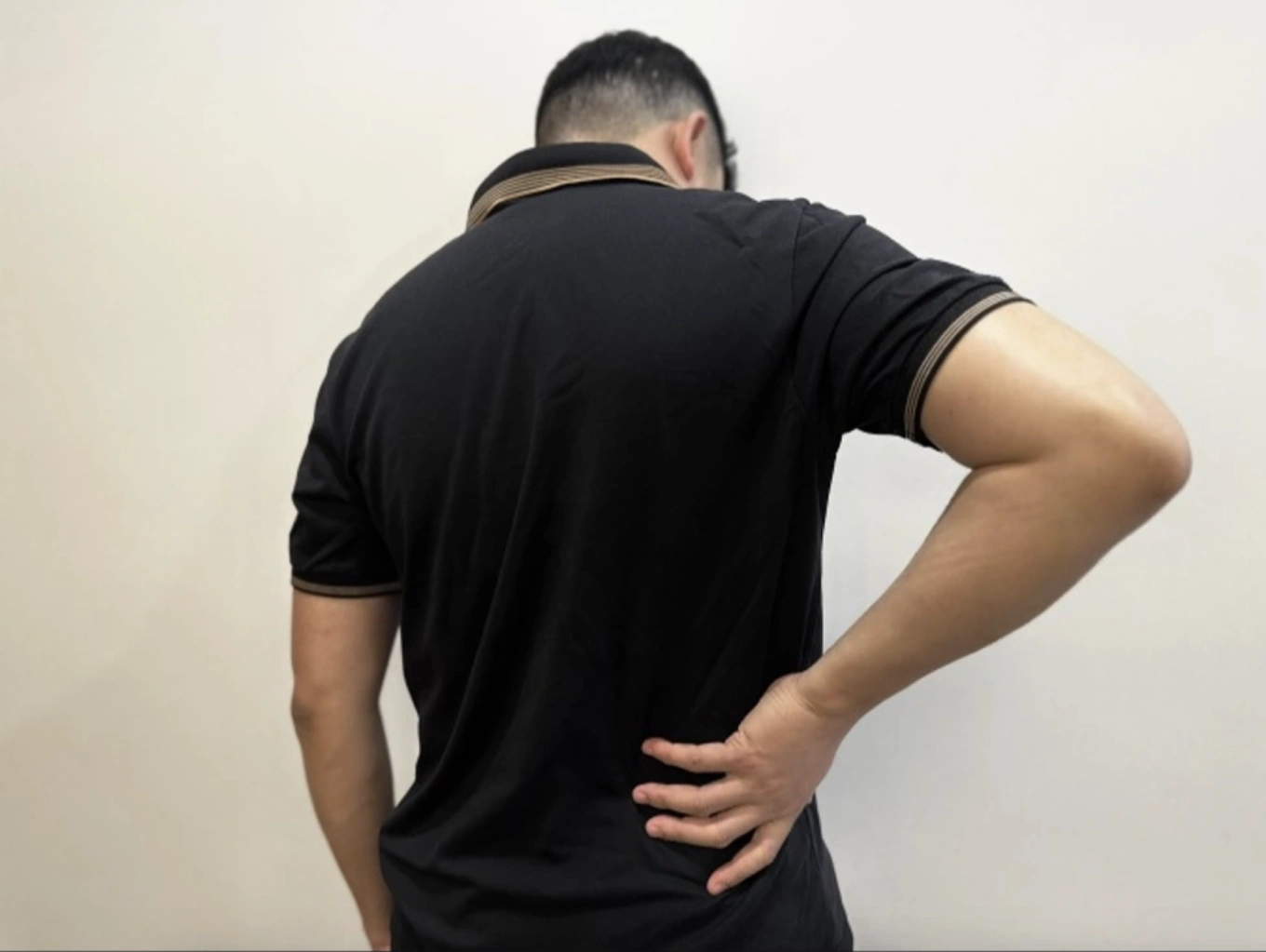 |
Kidney pain often does not improve with rest, massage, or stretching. Photo: Ngoc Pham |
The best approach is to proactively undergo regular health check-ups and kidney screenings at least once a year. If you experience suspicious signs or symptoms of kidney disease, such as fatigue, paleness, poor appetite, nausea and vomiting, or urinary disorders, you should get tested. "Absolutely do not self-treat using online methods," the doctor stated.
Additionally, everyone should adopt a healthy lifestyle: eat a balanced diet, drink enough water, avoid salty foods, limit fast food and excessive alcohol consumption, and abstain from tobacco. Engage in daily physical exercise according to individual health conditions. Thoroughly treat acute illnesses like respiratory infections, skin infections, and urinary tract infections.
Avoid indiscriminate use of medications, especially over-the-counter drugs and herbal remedies from unknown sources. Do not consume stimulants (coffee, tea, alcohol, tobacco) in the evening, as they can cause nervous tension and insomnia.
Thuy An


