The Lunar New Year, known as Tet, is a time when families engage in many activities, often leading to changes in daily routines. Doctor Ha Thi Nga, a specialist in neonatology at Tam Anh General Hospital Hanoi, states that premature infants have underdeveloped immune systems and poor body temperature regulation, making them susceptible to respiratory and digestive illnesses. Even minor changes in their living environment, diet, or daily schedule during Tet can affect their health.
Maintain body warmth
Premature infants easily lose heat due to their thin layer of subcutaneous fat. Parents must ensure that the child is always dressed warmly enough, wearing a hat, mittens, and socks when the weather is cold. The child's bedroom should be draft-free with a stable temperature, ideally around 26-28 degrees C, and humidity at 40-60% to prevent dry respiratory passages.
Limit taking the child to crowded places
Tet gatherings and New Year greetings are typically crowded, with many people coming and going, increasing the risk of exposure to bacteria and virus. Due to their weak immune systems, children are prone to respiratory infections. Families should limit direct contact with the child, require adults to wash their hands thoroughly, and avoid kissing the child.
Breastfeed regularly
Nutrition plays a pivotal role in the development of premature infants. Breast milk remains the best source of nutrients, providing natural antibodies, boosting immunity, and supporting digestive system development. Mothers should strive to maintain full and regular breastfeeding.
If the mother is busy, she can express milk daily and store it properly for the baby. Store milk in glass bottles or plastic bottles made of safe materials. If freshly expressed breast milk is kept at room temperature below 25 degrees C, it should be used within 4 hours. For infants who need formula or energy-fortified milk as prescribed by a doctor, parents must follow the mixing instructions correctly.
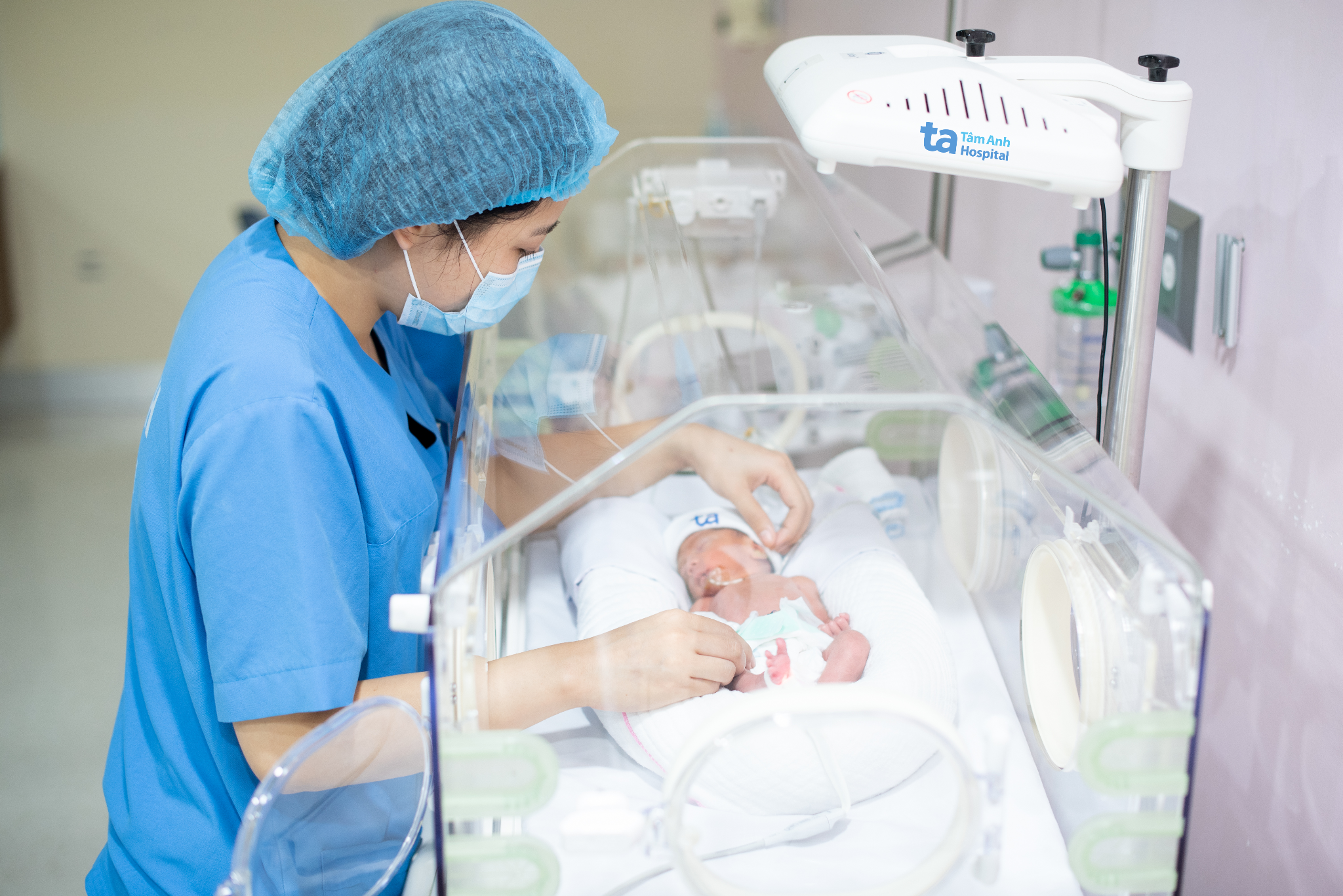 |
A premature infant receives special care in the NICU, Tam Anh General Hospital Hanoi. Photo: Hospital provided |
Maintain a stable routine
Parents should try to keep the child's familiar routine, avoiding late nights. Children grow significantly during sleep, so they need 16-20 hours of sound, quiet sleep each day. If the baby sleeps for more than 4 hours per nap, parents should gently wake them to feed. Avoid exposing the child to bright lights or loud noises from the tivi, Tet music, or prolonged conversations.
Maintain a clean living environment
During Tet, house cleaning, decorating, and incense burning can increase dust, smoke, and fragrances in the air, which can irritate a child's respiratory tract. Families should keep the living space airy and clean, limit incense smoke, and avoid spraying perfume, essential oils, or using strong-smelling detergents in the child's room. The child's belongings must be washed separately, air-dried, and kept clean to prevent bacteria and mold.
Ensure personal hygiene
Babies should be bathed three to four times a week using a soft cloth with clean water at about 37-38 degrees C and a neutral pH baby wash. After bathing, parents should massage the baby with an oil suitable for their skin. For infants whose umbilical cord has not yet fallen off, care must be taken to keep the umbilical stump dry and clean to prevent infection. Doctor Nga recommends that parents can also provide skin-to-skin contact using the kangaroo care method, which improves the child's health.
Supplement vitamin D correctly
The best time for sunbathing is before 9h in the morning. However, during Tet, the weather is often cold, so parents can sunbathe the child later in the day. Sunbathing should last about 15-30 minutes daily, ensuring the child is warm enough. Expose the child's forearms, thighs, and lower legs to the sun. Choose a sunny, airy spot for sunbathing, avoiding drafts. If the weather is too cold, limiting sunbathing, parents need to supplement vitamin D orally as prescribed by a doctor.
Ensure full vaccination
Before Tet, parents should consult with a doctor to ensure the child receives vaccinations at the correct time, appropriate for their health status. Delaying vaccinations can increase the child's risk of infectious diseases.
Closely monitor for abnormal signs
Symptoms such as poor feeding, refusal to feed, rapid breathing, chest retractions, pale skin, bluish lips, fever or hypothermia, and vomiting can all be warning signs of serious illness. During the Tet holiday, many medical facilities operate with limited services, so families should proactively know the addresses of hospitals and medical facilities that can provide pediatric emergency care.
Beyond physical care, the parents' mental well-being also impacts premature infants. Families should actively share responsibilities and create conditions for the mother to rest adequately and maintain a comfortable state of mind.
Trinh Mai
| Readers can submit questions about neonatal care here for a doctor's response |