In traditional eating habits, many people still focus on "staple foods" and begin their meals with one bowl of white rice. However, extensive medical research over the past decade reveals a truth: the order of food intake directly impacts blood sugar levels, body weight, and the risk of cardiovascular diseases. Mastering this method is akin to having a "cheat code" for optimizing health without strict portion control or extreme diets.
According to Liao Yi-ching, a visiting professor in the Department of Nutrition at Chung Shan Medical University, scientific evidence shows that prioritizing carbohydrate intake last helps maintain stable blood sugar, even when eating continuously without breaks. This method is simpler to implement than meticulously calculating calories or nutrient ratios for each meal.
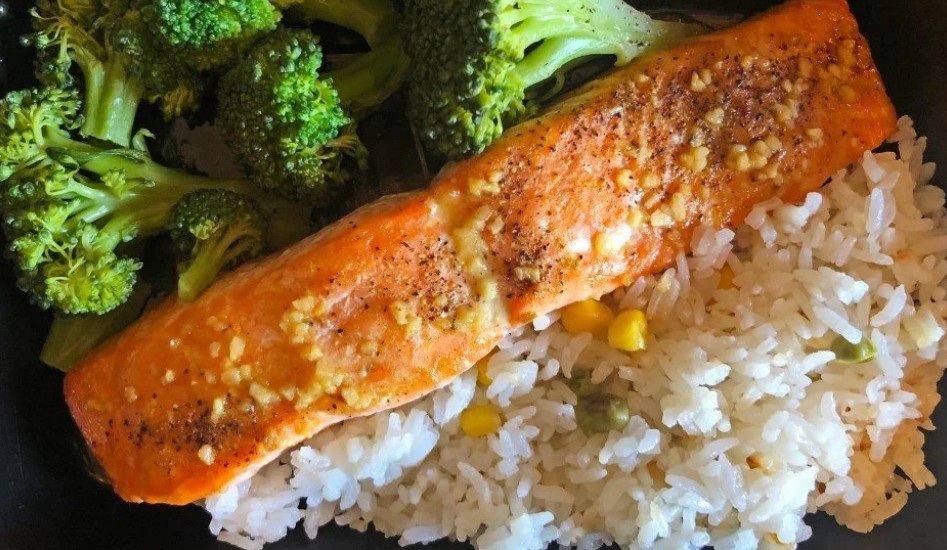 |
Illustration: Novi |
The core principle of this eating sequence method lies in the rule: start with green vegetables, followed by protein (meat, tofu), and conclude with carbohydrates (rice, noodles). This process stimulates the gut to secrete the hormone GLP-1, which slows gastric emptying, increases satiety, and naturally suppresses appetite.
Many mistakenly believe that weight loss means cutting down on meat. In reality, meat plays a crucial role in this dietary approach. Doctor Chen Yu-hsun, Head of the Metabolism Department at Show Chwan Memorial Hospital in Kaohsiung, explains that when protein and green vegetables are consumed first, they create a protective layer on the stomach lining, which helps minimize subsequent blood sugar fluctuations. Limiting processed meats and consuming an appropriate amount of high-quality protein not only satisfies cravings but also stabilizes blood sugar levels.
However, experts also caution about individual physiological differences, particularly age-related changes in nutritional needs. Doctor Lin Chien-hua, from the Surgery Department at Show Chwan Memorial Hospital in Changhua, notes that while the "vegetables first, carbohydrates later" approach yields significant results for young adults and patients with metabolic syndrome, this method may not be suitable for people over 60 years old. Echoing this sentiment, Doctor Chou Chieh-ying from the Family Medicine Department at National Cheng Kung University Hospital warns that if elderly individuals drastically reduce protein intake to control their diet, they are highly susceptible to sarcopenia. This condition impedes mobility, increases the risk of falls, and can even weaken the immune system. Therefore, adjusting the nutritional content of each meal for this group requires particular attention.
For older adults, doctors suggest modifying the meal sequence while paying greater attention to the total amount and distribution of protein. Nutritionist Chen Yuting from National Yang Ming Chiao Tung University Hospital states that protein needs to be evenly distributed across all three meals to promote muscle synthesis most effectively. According to Doctor Huang Huilun from Tung Yuan General Hospital, an adult needs a minimum of 60 grams of protein daily, equivalent to at least 20 grams per meal (approximately one palm-sized portion of meat or fish). For those with chewing or swallowing difficulties, soft foods such as tofu, steamed eggs, and fish are preferred choices to ensure maximum nutrient absorption.
In recent years, both the American Heart Association and European experts have underscored the importance of an "eating pattern" rather than focusing solely on individual nutrients. True health does not come from extreme measures like completely eliminating carbohydrates or consuming only meat. A balanced diet comprising vegetables, whole grains, lean meat, and healthy fats, when combined with a scientific eating sequence and appropriate physical activity, offers a sustainable solution to reduce strain on the body and prevent chronic diseases.
Binh Minh (According to HK01)