The perception that palliative care is "giving up" causes many individuals to seek these services only when their illness has reached an advanced stage, stated Doctor Than Ha Ngoc The, President of the Vietnam Association of Palliative Care Medicine. She spoke at a seminar marking World Palliative Care Day on 10/10, co-organized by An Sinh General Hospital.
"Palliative care can begin early and alongside specific treatments; it is not solely for the end-of-life stage," Doctor The emphasized.
Globally, approximately 57 million people require palliative care annually, yet only about 14% receive it, according to the World Health Organization (WHO). This need extends beyond cancer patients to include those with cardiovascular, lung, liver, kidney diseases, HIV/AIDS, dementia, and other severe chronic illnesses.
 |
Doctor Than Ha Ngoc The, President of the Vietnam Association of Palliative Care Medicine, at the "Palliative care in hospitals" seminar. Photo: Vy Bui |
Palliative care significantly improves symptoms, reduces anxiety and insomnia, and supports families of cancer patients, reported Doctor Nguyen Thi Huong, Deputy Director of the Palliative Care Center at K Hospital. A 2024 survey of 80 patients at the hospital showed improvements in pain, insomnia, anxiety, and sadness after receiving care.
Effective pain management involves assessing pain, identifying urgent situations, selecting suitable options, and monitoring effectiveness for adjustments, explained Doctor Nguyen Manh Duy, Deputy Head of the Palliative Care Department at Ho Chi Minh City Oncology Hospital. The objective is not just to lower pain scores, but also to help patients sleep better, move more comfortably, and empower caregivers.
Professor Pham Manh Hung, former Deputy Minister of Health, stressed the importance of changing perceptions, distinguishing palliative care from end-of-life or hospice care. He advocated that palliative care should become a routine part of all general hospital departments and wards, rather than being confined to a specialized unit. Implementing this does not require waiting for the establishment of new units or additional personnel. It represents a fundamental aspect of medical ethics, reflecting the responsibility to alleviate patient suffering and difficulties.
 |
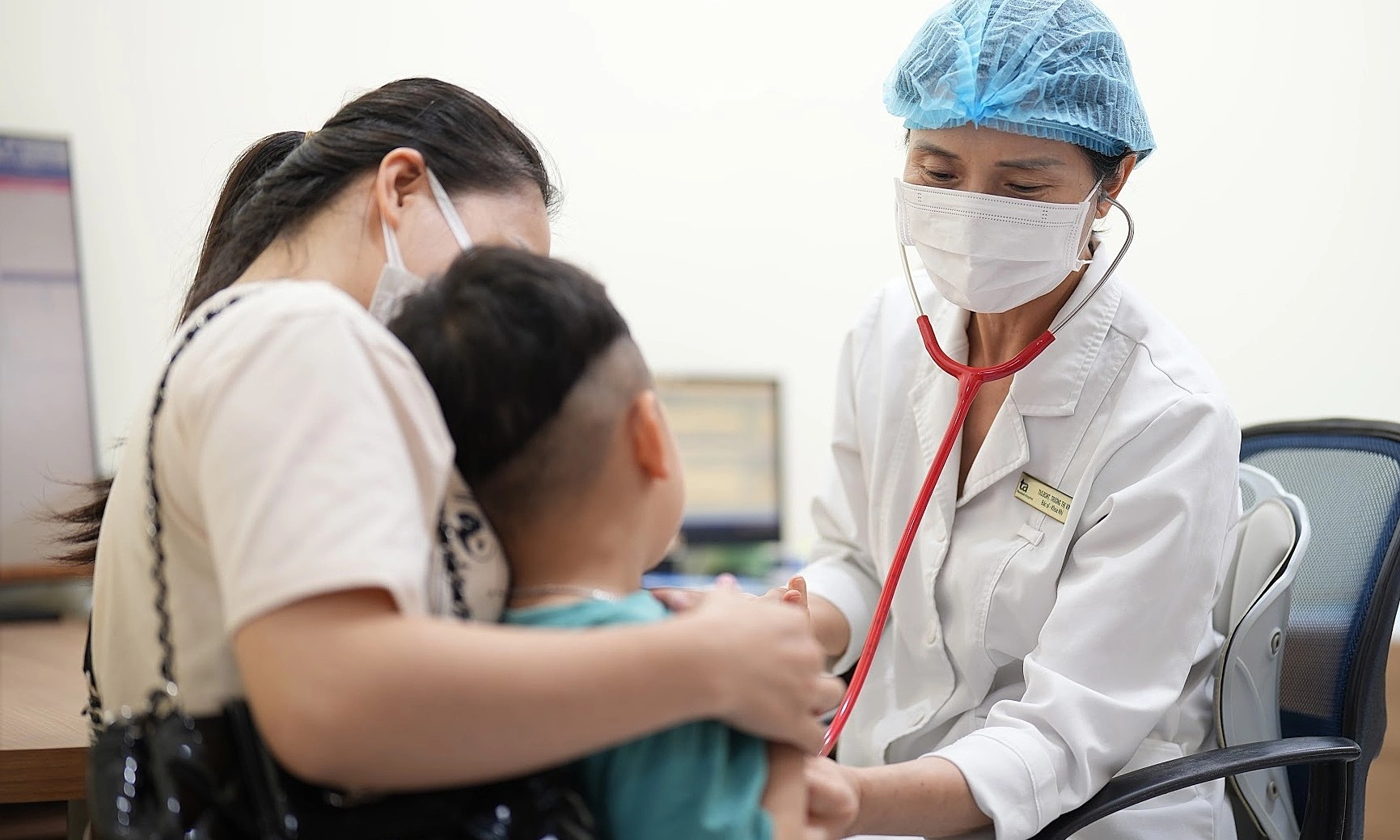
Treatment combined with palliative care for patients in the hospital. Photo: Hospital provided |
In Vietnam, the palliative care network remains fragmented, primarily concentrated in Hanoi, Hue, Da Nang, and TP HCM. Barriers to wider access include a lack of trained personnel, inconsistent screening and referral processes, and difficulty maintaining post-discharge care. Access to opioid pain medication is also limited due to strict management procedures and concerns about drug dependence.
To expand service accessibility, continued personnel training, standardized procedures, and stronger connections between hospitals, grassroots healthcare, and home care services are essential, according to Ms. The. Vietnam issued National Guidelines on Palliative Care in 2022, broadening their scope beyond the 2006 guidelines, which focused primarily on cancer and HIV/AIDS patients.
An Sinh General Hospital plans to integrate palliative care into various departments, establish a core team of experts for training and difficult case consultations, announced Doctor Tran Quang Tuan, Deputy Director. The hospital is also developing early screening processes, symptom control, and social work coordination to support patients and families with financial, procedural, and care needs.
The Ministry of Health is developing a draft circular on health insurance (BHYT) payments for family medicine, home-based, and remote examinations and treatments. The draft proposes covering home examinations for 7 patient groups, including those requiring end-of-life palliative care and individuals with chronic illnesses that limit mobility. The proposed coverage includes medications, medical equipment, and tests performed at home.
In TP HCM, a pilot model for home-based health insurance examinations and treatments, linked to continuous community health teams, has been implemented. If approved, this policy could reduce the burden of travel and follow-up appointments for severely ill patients, such as those with end-stage heart failure who have difficulty moving.
Le Phuong