Many consume beer in the evening for its relaxing effect and to induce drowsiness. However, alcohol can fragment sleep and disrupt later sleep stages. Ceasing evening beer consumption can lead to positive changes in sleep quality.
Less interrupted sleep
While beer's sedative properties may induce sleep quickly, this does not equate to higher quality rest.
According to the Cleveland Clinic, consuming alcohol before bed can fragment sleep, causing numerous brief awakenings throughout the night. Consequently, an individual may spend adequate time in bed but experience discontinuous sleep, making it difficult to achieve optimal rest.
When evening beer consumption ceases, the body no longer experiences the effects of alcohol during sleep. Individuals who habitually drink beer close to bedtime may observe more stable sleep and fewer awakenings. The extent of improvement depends on the quantity consumed, timing, and previous frequency of use.
 |
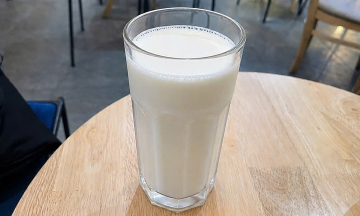
Beer contains alcohol, which can affect sleep. *Hoai Phuong* |
Enhanced REM sleep
Sleep progresses through recurring cycles, encompassing various stages from light to deep and REM sleep. Each stage contributes uniquely to the body and brain's recovery. REM sleep is a crucial stage, vital for memory, brain function, and mood regulation.
Alcohol in the body can repeatedly interrupt sleep, with each nocturnal awakening pulling the sleeper back to light sleep and diminishing REM. This is significant because beer's impact extends beyond sleep duration to how the body navigates sleep cycles. An individual may sleep for sufficient hours yet feel unrested if their sleep is fragmented.
Ceasing beer consumption close to bedtime can lead to fewer sleep interruptions, promoting more stable sleep cycles. Some individuals may experience increased alertness and reduced fatigue the following morning, though the degree of change varies based on the amount of beer consumed, timing, and prior sleep quality.
Individuals who generally sleep well and only occasionally consume small amounts of beer may not observe a significant difference. However, those who regularly drink heavily or immediately before bed are likely to experience more noticeable improvements.
Earlier consumption may lessen sleep impact
If consumption is unavoidable, adjusting the timing of beer intake can mitigate its impact on sleep. For instance, drinking at least three hours before bed allows the body sufficient time for metabolism. A greater amount of alcohol correlates with a larger impact on sleep. Thus, reducing intake and avoiding consumption close to bedtime are beneficial changes for sleep quality.
For those experiencing chronic insomnia, loud snoring, signs of sleep apnea, or persistent fatigue despite adequate sleep, beer should not be used as a sleep aid. These symptoms may indicate underlying sleep disorders requiring professional evaluation.
*Bao Bao*