Ms. Van has a history of hypothyroidism, elevated liver enzymes, gastroesophageal reflux, and hypertension for many years due to an adrenal tumor. This tumor disrupted endocrine function, leading to the excessive production of blood pressure-regulating hormones. She underwent surgery to remove the tumor two years ago at a hospital.
Over the past two months, Ms. Van's blood pressure spiked three times, reaching 180/120 mmHg or higher. Associate Professor, Doctor Nguyen Thi Bach Yen, Head of Cardiology Department at Tam Anh General Hospital Hanoi, stated that this is paroxysmal hypertension, where blood pressure suddenly spikes to dangerous levels, potentially causing severe damage to the heart, brain, kidneys, and eyes.
The cause of hypertension due to the adrenal tumor was resolved after surgery, according to Doctor Yen. However, the patient's heart rate remained fast, and she had mild hypertension, so she received treatment for essential hypertension with medication. The recent occurrence of three paroxysmal hypertension episodes prompted doctors to order a comprehensive screening for all potential causes.
Master, Doctor Pham Van Duong, from the General Internal Medicine Department, noted that Ms. Van was constantly restless and unable to sit still. She suffered from prolonged insomnia, often experiencing many sleepless nights or only sleeping for a few hours before waking, and was frequently stressed. Tests revealed that the patient had an anxiety disorder combined with severe depression and prolonged insomnia.
"The patient had an anxiety disorder and depression previously but had not been diagnosed", Doctor Duong stated, adding that this is a typical case of the vicious cycle between physical and mental health.
 |
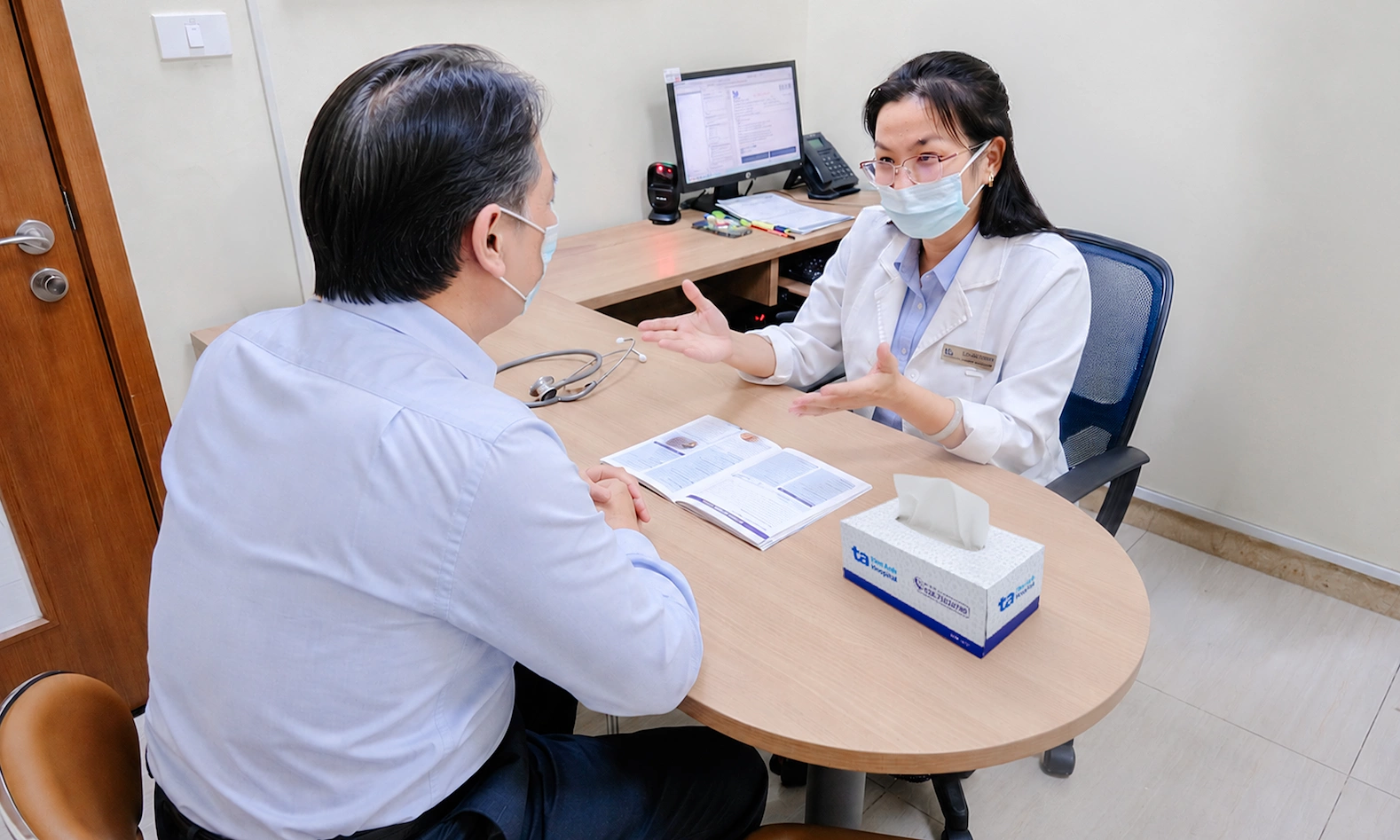
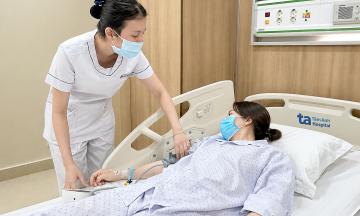
Doctor Yen examining Ms. Van. Photo: Tam Anh General Hospital |
Anxiety disorder and insomnia are among the causes of hypertension. This condition stimulates the sympathetic nervous system, leading to a massive release of stress hormones like adrenaline and cortisol. Adrenaline accelerates heart rate and constricts blood vessels, while cortisol retains salt and water, contributing to blood pressure spikes.
Ms. Van received treatment with anti-anxiety medication and sleep aids, combined with relaxation therapy. After three months, her blood pressure stabilized, and her sleep improved, allowing for a reduction in her psychiatric medication dosage.
According to Doctor Duong, stress is a normal human reaction to pressure. However, when anxiety persists and affects quality of life, patients should seek early medical attention. Anxiety disorder and depression can increase the risk of cardiovascular disease, hypertension, stroke, and reduced quality of life. Conversely, prolonged chronic illnesses also contribute to the onset of mental disorders.
Thanh Ba
| Readers can submit questions about cardiovascular disease here for doctors to answer |