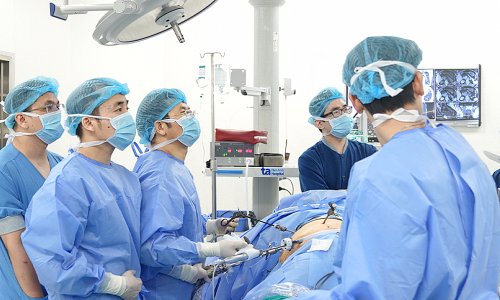
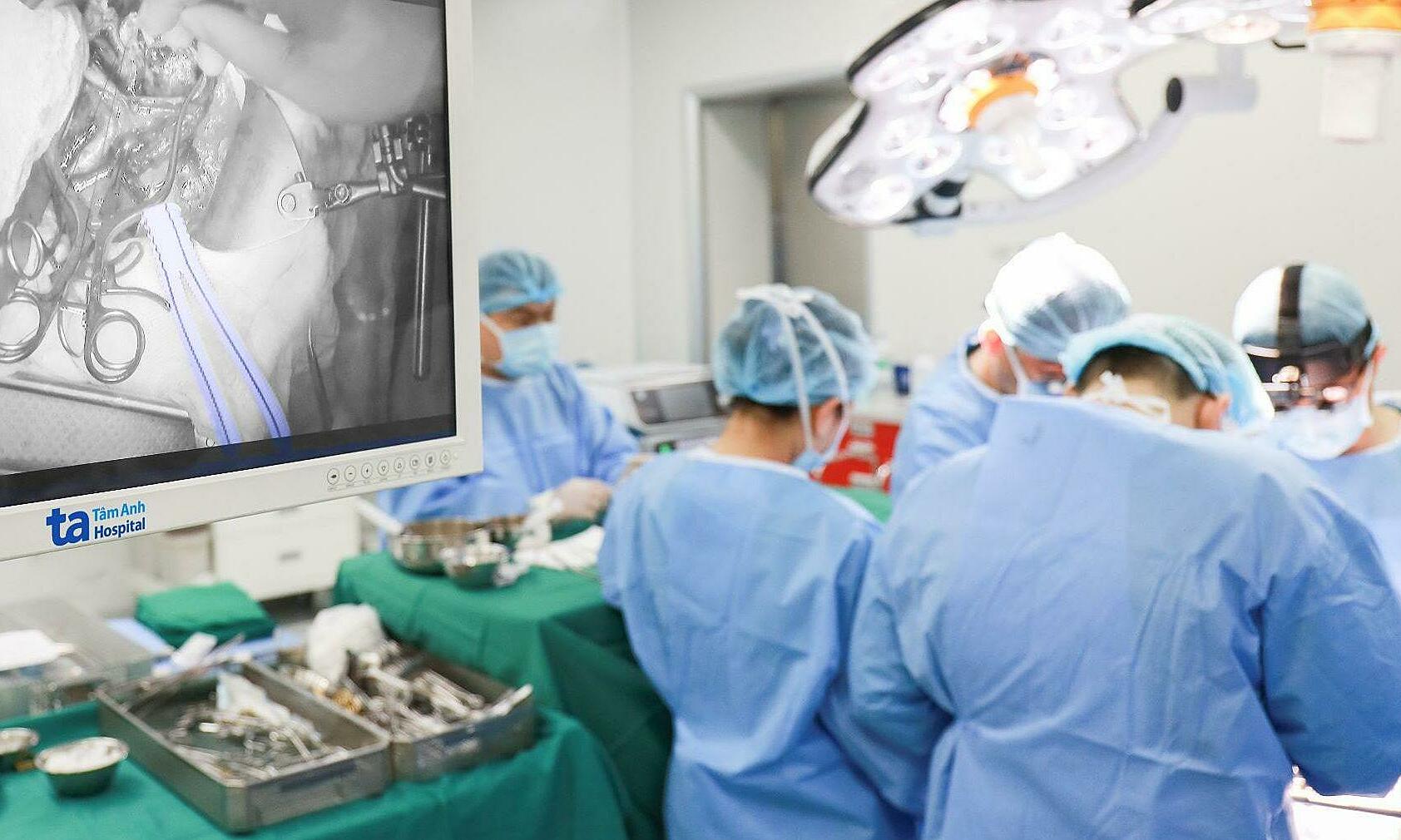
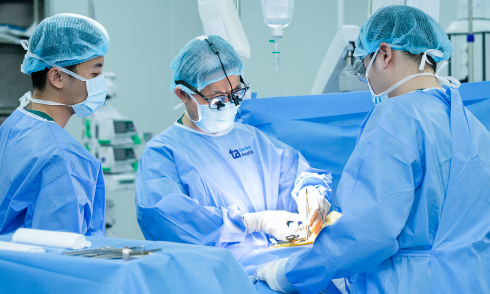
Ms. Mai, 54, experienced severe chest pain; doctors suspected an adrenal medulla tumor secreting excessive hormones, leading to abnormal hypertension and myocarditis.
My blood pressure, once around 90-100/60 mmHg, has recently risen to approximately 135/85 mmHg. Why does blood pressure tend to increase with age, and is this a cause for concern? (Thanh Ha, 58, Hung Yen)
Eating dinner late forces the body to digest food when it should be preparing for rest, disrupting circadian rhythm and hindering the natural nighttime blood pressure drop.
Nguyen Minh Nhat, 36, from Bac Ninh, regularly consumes two to three cans of energy drinks daily to stay alert for work and recently reported higher than normal blood pressure. He asks if this habit could be the cause.
A 71-year-old patient, Nick, experienced dizziness and aches, along with a 30 mmHg lower blood pressure in his left arm compared to his right, leading to a diagnosis of severe narrowing in both carotid arteries and the subclavian artery.
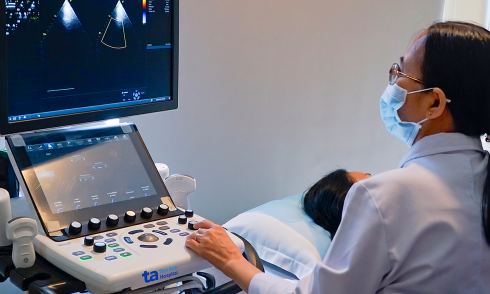
Women with congenital heart disease, aortic disease, and valvular heart disease face an increased risk of complications during pregnancy because the heart has to work harder to meet circulatory demands.
Mr. Kha, 80 years old, showed signs of stroke. His relatives called for emergency assistance, and doctors initiated an alert protocol to prepare for thrombolytic injection just 10 minutes after his arrival at the hospital.
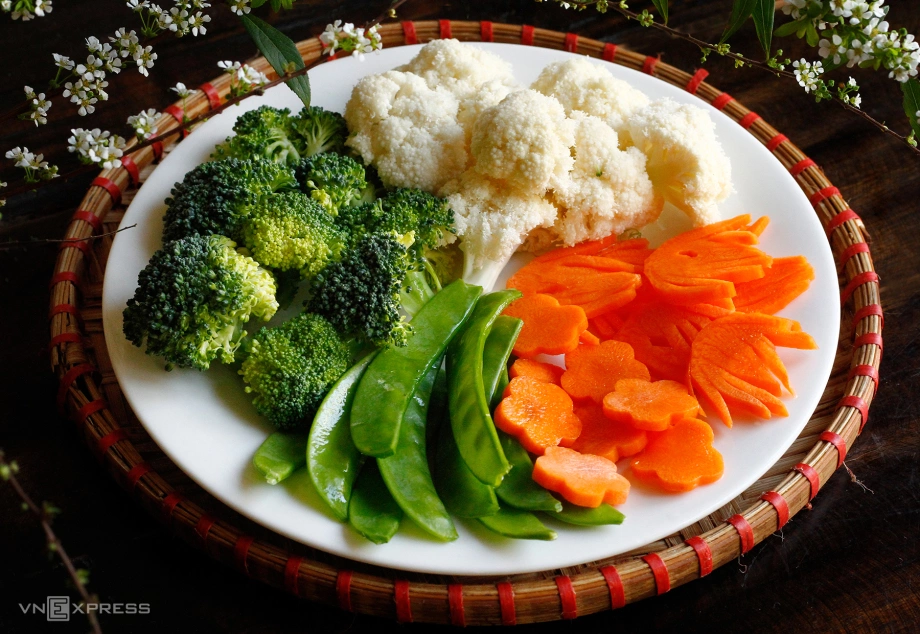
Broccoli, purple cabbage, beetroot, and potatoes are rich in vitamins, minerals, and compounds that can help control blood pressure and protect cardiovascular health.
Mr. Manh, 37, suddenly experienced a severe headache and darkened vision in both eyes; doctors diagnosed vision loss due to complications of hypertension and diabetes.