Patients diagnosed with pleural effusion should generally avoid administering intravenous (IV) fluids without a doctor's explicit instruction. Doing so can inadvertently worsen the condition by increasing fluid retention in the pleural space.
Pleural effusion is a medical condition characterized by the abnormal accumulation of fluid within the pleural space, which compresses the lungs and reduces their capacity for gas exchange. Patients often experience symptoms such as chest pain, shortness of breath, coughing, and fatigue, especially as the volume of fluid increases.
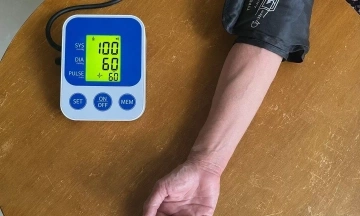
Administering intravenous fluids increases the volume of fluid within the blood vessels, altering the pressure in the circulatory system. This change in pressure can cause fluid to leak out of the blood vessels and accumulate further in the pleural space. For patients with underlying conditions such as heart failure or low blood albumin, additional fluid administration can exacerbate edema, increase fluid retention, and worsen existing breathing difficulties.
 |
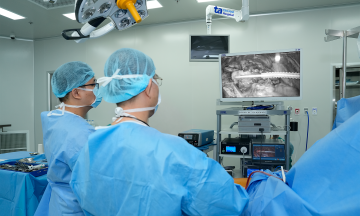
A doctor evaluates a pleural effusion. *Illustration: Tam Anh General Hospital* |
Intravenous fluids do not thin or remove fluid from the pleural space, contrary to a common misconception. Effective treatment for pleural effusion requires identifying the underlying cause and implementing appropriate management. This may include medication to treat the primary disease, antibiotics if an infection is present, or therapeutic fluid drainage when necessary.
If patients experience worsening fatigue, chest tightness, or shortness of breath, they should visit a medical facility for examination. A doctor will assess the fluid level using diagnostic imaging as prescribed. Symptoms such as rapidly worsening shortness of breath, severe chest pain, or high fever require early evaluation, as they may indicate progressive pleural effusion or infectious complications.
Patients also need to fully disclose any underlying medical conditions, including heart failure, liver disease, kidney disease, cancer, or tuberculosis. This information helps doctors determine the most appropriate course of treatment. Adhering to the prescribed treatment regimen helps control the disease and reduce the risk of severe progression.
Master, Doctor Le Thi Hong Tham
Department of Respiratory Medicine
Tam Anh General Hospital Hanoi
| Readers can submit questions about respiratory diseases here for doctors to answer |