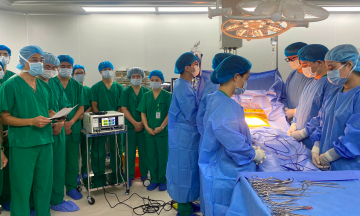
"Robots do not replace doctors, but this advanced technology expands the limits of a surgeon's hands, enabling precise, minimally invasive interventions and enhancing patients' quality of life", said Vice Minister of Health Tran Van Thuan at the opening ceremony of Vinmec Healthcare System's High-Tech Robotic Surgery Center and the "Future of the Robotic Ecosystem in Vietnamese Healthcare" seminar, held on 27/6 in Hanoi.
Currently, domestic hospitals utilize leading global robotic surgical systems to treat patients. In general surgery and oncology, doctors operate Da Vinci XI, Hugo RAS, or Toumai MT-1000 systems to access deep anatomical locations and perform intricate procedures in confined spaces.
For orthopedic trauma, new-generation robots such as ROSA or CORI assist doctors in creating individualized treatment plans based on each patient's anatomy, precisely positioning and aligning joints to the millimeter. In neuro-spinal surgery, where minor deviations can cause severe complications, these devices provide real-time guidance and navigation, helping doctors safely intervene in complex anatomical structures.
 |
Experiencing medical robots at the "Future of the Robotic Ecosystem in Vietnamese Healthcare" seminar. *Photo: Le Lan* |
Associate Professor Pham Van Binh, Director of Vinmec's High-Tech Robotic Surgery Center system, noted that this technology is revolutionizing surgery, especially in cancer treatment. Compared to traditional open surgery, robots enable surgeons to completely remove tumors, preserve healthy tissue, reduce blood loss, post-operative pain, and ensure cosmetic results for patients.
Despite offering significant benefits, cost remains the greatest barrier to patient access. For example, an advanced robotic surgical system represents a substantial investment, ranging from tens to hundreds of billions of VND, not including the cost of building specialized operating rooms, strict periodic maintenance, and technology transfer training for medical professionals.
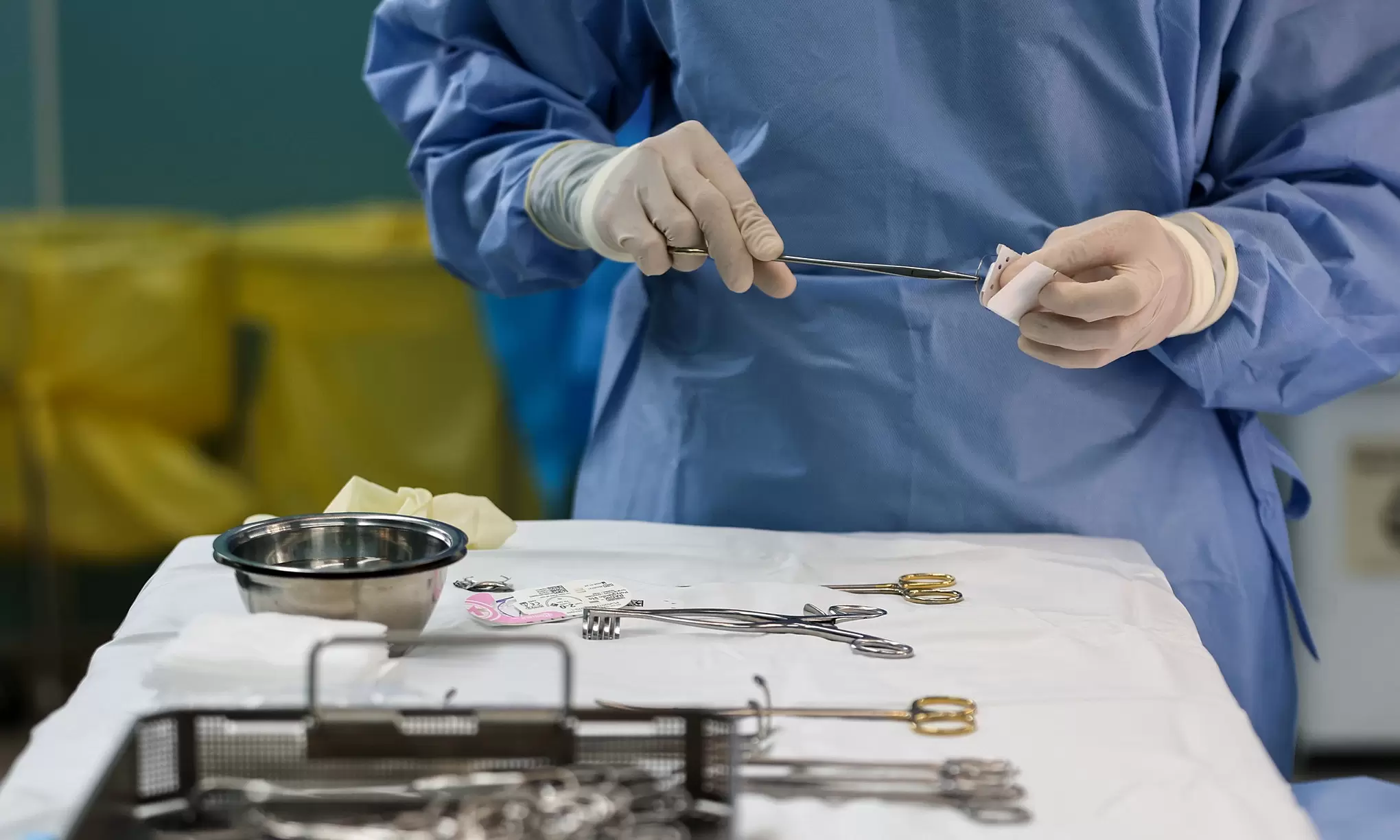
Furthermore, a direct cost driving up surgical expenses comes from specialized consumable instruments attached to the robot arms. These instruments are permitted for use only a limited number of times according to manufacturer safety standards, must be imported at high cost, and cannot be reused indefinitely like traditional surgical tools.
Meanwhile, the current health insurance (BHYT) payment list does not fully cover robotic surgical techniques, requiring patients to self-pay a significant portion of the difference. For patients with financial difficulties or average incomes, this out-of-pocket expense exceeds their families' financial capacity, forcing them to forgo optimal treatment technology.
However, Associate Professor Binh predicted that treatment costs will gradually decrease as technology advances, more manufacturers emerge, and equipment becomes widespread. The involvement of health insurance and support funds will expand access to high-tech procedures for patients facing financial hardship.
To promote this trend, Vice Minister Thuan urged medical facilities, alongside equipment investment, to focus on building clinical data, boosting scientific research, and transferring technology to master the technology, aiming to make Vietnam a high-tech medical leader in the region.
Le Nga