Women in perimenopause and menopause face a higher risk of developing high blood pressure compared to earlier life stages. This is primarily due to a decline in the activity of the brain-pituitary-ovarian axis, which leads to changes in the trio of hormones: estrogen, progesterone, and testosterone.
Beyond their role in reproductive function, these hormones also help regulate cholesterol metabolism in a beneficial way, reducing the risk of atherosclerosis and maintaining blood vessel elasticity, thus keeping blood pressure normal. When the levels of these three hormones fluctuate, blood vessel walls become less elastic, increasing the risk of high blood pressure.
During perimenopause and menopause, women are also more susceptible to metabolic disorders such as weight gain, abdominal fat accumulation, poor sleep, and frequent stress. These factors affect the blood pressure-regulating capacity of the renin-angiotensin-aldosterone system (RAAS), causing the body to retain more sodium and water, leading to vasoconstriction and elevated blood pressure.
 |
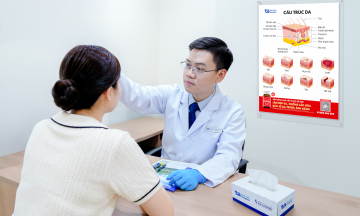
A doctor at Tam Anh General Hospital is examining and advising a female patient. Illustration: Provided by the hospital |
Women in perimenopause and menopause may experience symptoms of high blood pressure such as headaches, insomnia, palpitations, and fatigue. If these symptoms occur frequently, women should seek medical evaluation to assess and control the condition early.
Upon entering this phase, women need to proactively monitor their blood pressure regularly, maintain a balanced diet with limited salt intake, manage their weight, get adequate sleep, and exercise consistently. Supplementing with specific natural essences like Lepidium Meyenii can help regulate the activity of the brain-pituitary-ovarian axis, contributing to the balance of estrogen, progesterone, and testosterone. Thanks to its plant compounds, Lepidium Meyenii also supports cholesterol regulation and blood pressure stabilization.
Doctor Do Xuan Hoa
Medical Information Center
Tam Anh General Hospital Ho Chi Minh City
| Readers can send questions about cardiovascular disease here for doctors to answer |