Doctor Le Thi Huong Giang, Head of the Nutrition Department at Hospital 19-8, Ministry of Public Security, states that pho is a common breakfast for millions of Vietnamese people, known for being delicious, convenient, and easy to eat. However, while a bowl of pho is rich in nutrients, the habit of drinking all the broth carries several potential health risks.
Typically, an average bowl of pho contains approximately 400–500 ml of broth. This amount of liquid can contain 2,5 to 5 g of salt, equivalent to about 1,000–2,000 mg of sodium. In contrast, the World Health Organization (WHO) recommends that adults consume less than 5 g of salt per day.
"Thus, simply by drinking all the broth in a morning bowl of pho, your body takes in almost the entire daily recommended salt limit," the doctor explains. Moreover, the saltiness in pho broth is often masked by the sweetness of simmered bones and flavor enhancers, "deceiving" the taste buds. This can lead to unknowingly consuming excessive salt while still finding the taste acceptable.
Beyond salt, broth simmered from bones and meat for many hours also contains components that can strain metabolism. Long-simmered bone broth can release large amounts of purines, substances directly linked to the formation of uric acid in the body. A 2004 study by Choi and colleagues in the New England Journal of Medicine indicates that a diet rich in purines from red meat and broths is directly associated with increased blood uric acid and the risk of gout.
A portion of fat from bone marrow and grease dissolves into the broth, increasing the saturated fat content in the diet. According to the American Heart Association (AHA), this contributes to elevated "bad" cholesterol, leading to atherosclerosis. Some studies analyzing bone broth have also found trace amounts of heavy metals, such as lead, released from animal bones.
"Even at low concentrations, repeated daily consumption over a long period still poses a problem regarding biological accumulation in the body," the doctor warns.
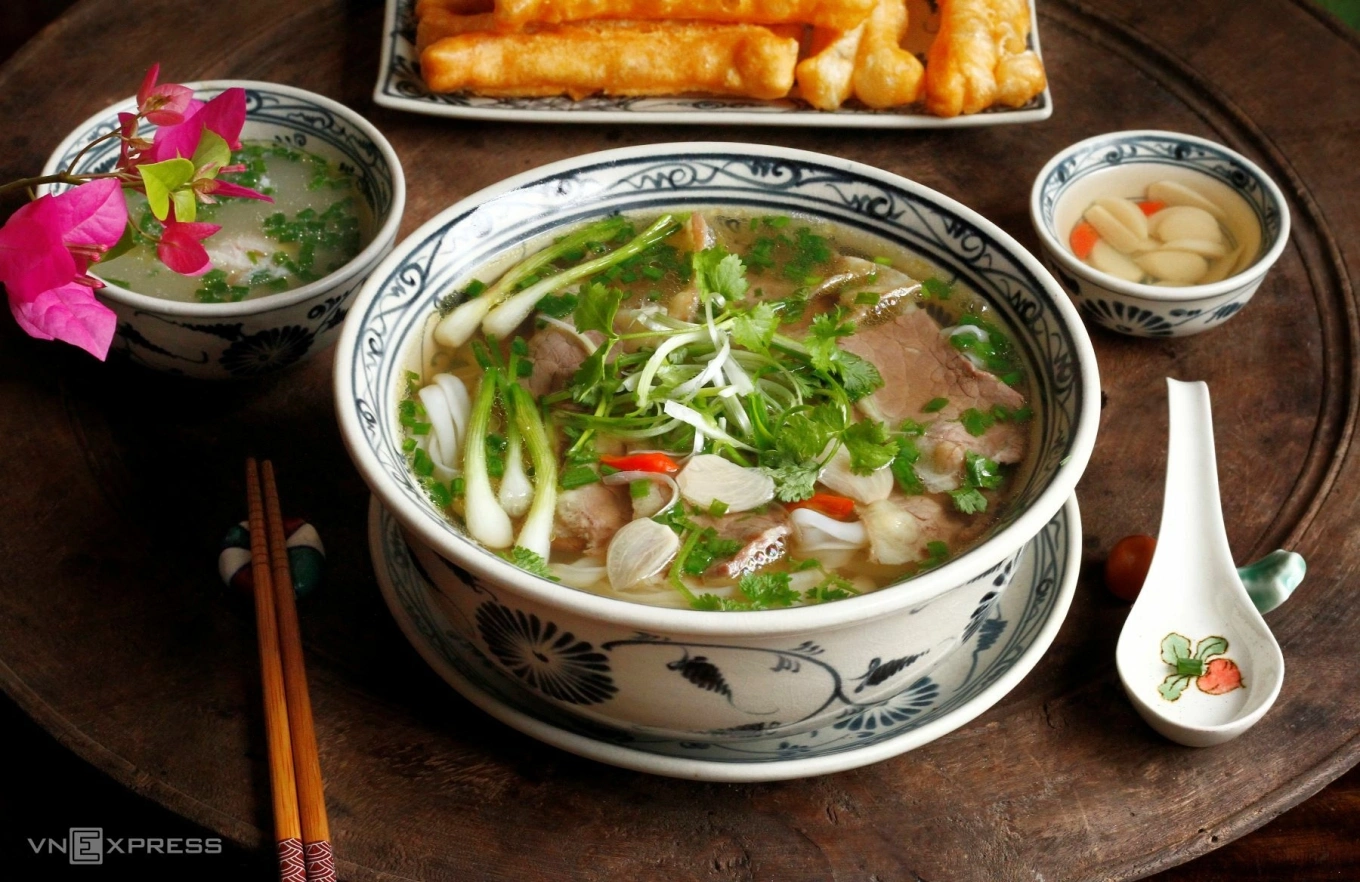 |
Limit drinking all pho broth and avoid eating pho daily to protect your health. Photo: Bui Thuy |
Limit drinking all pho broth and avoid eating pho daily to protect your health. Photo: Bui Thuy
According to the doctor, prolonged excess sodium is a primary culprit for high blood pressure, kidney failure, and cardiovascular diseases. Individuals with a history of high blood pressure, cardiovascular disease, kidney failure, or impaired kidney function should avoid excessive consumption. Those undergoing treatment for gout, having high uric acid levels, or elderly individuals with less sensitive metabolic systems should also exercise caution.
You do not need to eliminate pho from your diet, but you should modify how you eat it to protect your health. For safety, it is advisable to enjoy the solid components (pho noodles, meat, vegetables) and only taste a small amount of broth to savor its flavor, rather than drinking it all. Increase your intake of green vegetables, such as raw or blanched greens, to supplement fiber and potassium, which help excrete sodium.
Limit additional seasonings, such as fish sauce or seasoning powder at the table, especially since pho broth is already flavorful. Diversify your weekly menu; avoid eating vermicelli and pho continuously. Instead, alternate with lighter breakfasts like cereals, sweet potatoes, or dishes with less salty broth to maintain good health.
Thuy An