


In September 2022, Emily McAllister began taking a new anti-seizure medication prescribed by her doctor for epilepsy. However, just 16 days later, the single mother started noticing unusual symptoms on her body.
The former addiction counselor stated that initially, her eyes were red and dry, followed by swelling in her face and lips. The symptoms quickly progressed to painful rashes on her torso, accompanied by shortness of breath. "I wasn't sure what it was, I just knew something was very wrong with my body," McAllister recalled. By the second day, when her sister visited, she was disoriented, struggling to breathe, and confused. This was also when the rashes spread across her face and formed painful blisters.
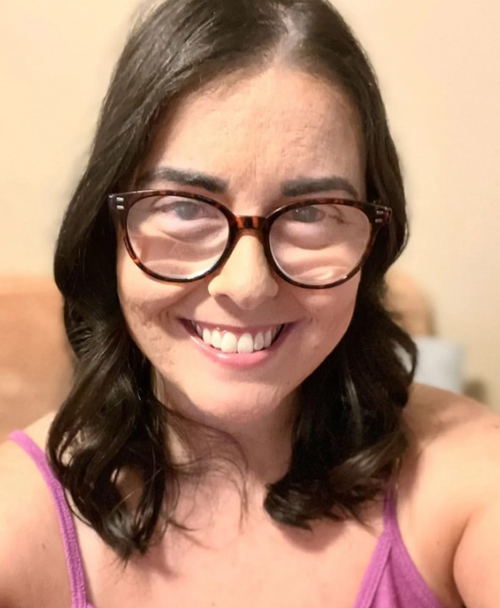 |
Emily McAllister before her illness. Photo: Kennedy News |
At the hospital, doctors diagnosed her with Stevens-Johnson syndrome (SJS), a rare and severe dermatological disorder. It is often caused by an allergic reaction to certain medications, such as antibiotics or anti-epileptic drugs, or sometimes by infections.
According to data from Cleveland Clinic, SJS symptoms include: fever, mouth and throat pain, fatigue, burning eyes, red or purple rash, and blistering. As skin erosions—painful open sores similar to burns—develop, the epidermal layer of the skin dies and begins to slough off. This damage often spreads to the eyes, chest, mouth, nose, throat, and other excretory organs.
SJS can progress to its most severe form, toxic epidermal necrolysis (TEN), when the affected skin area exceeds 30%. According to the U.S. National Institutes of Health (NIH), approximately 30% of patients with TEN do not survive.
McAllister was transferred to a burn treatment unit and spent three years fighting for her life in the hospital. She lost 87% of her skin due to blistering rashes and underwent a series of complex surgeries, including eyelid reconstruction, stem cell transplantation, salivary gland transplantation, and three uterine surgeries.
During treatment, McAllister's vision also severely deteriorated, a common complication of SJS. She underwent 6 eye surgeries, but the results were not favorable. McAllister is currently confirmed to be blind in both eyes. Experts stated that her vision will not naturally recover, and most of her body's damage is permanent.
"My life has completely changed; I am now considered disabled," McAllister shared. Despite facing permanent disabilities, she strives to maintain an optimistic spirit on her recovery journey. She feels fortunate because SJS often has a very high mortality rate, and surviving to see her daughter grow up is a miracle.
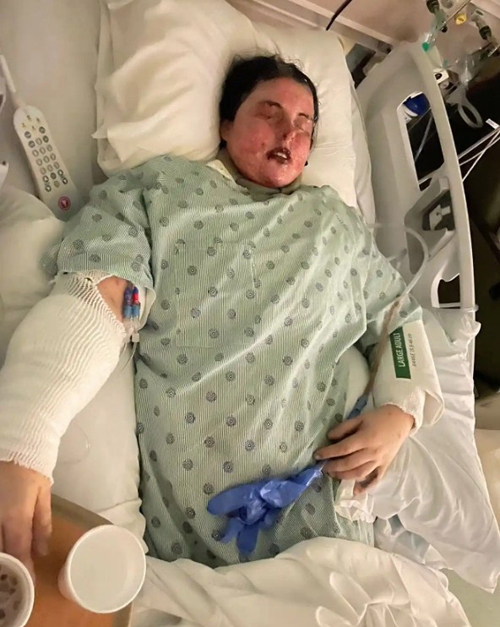 |
Emily McAllister is currently undergoing treatment in the hospital. Photo: Kennedy News |
Binh Minh (According to People)





