Initial findings at Tam Anh General Hospital in Ho Chi Minh City showed Mr. Luan's stomach wall was unevenly thickened and inconsistently enhanced, suggesting a malignant ulcer-like lesion. There were no signs of the tumor deeply invading the muscle layer or spreading to surrounding tissues.
A subsequent histopathological biopsy confirmed Mr. Luan had gastric adenocarcinoma, originating from the mucosal glandular cells. Doctor Do Minh Hung, Director of the Center for Endoscopy and Endoscopic Surgery, explained that early-stage cancer cells often develop silently with few symptoms.
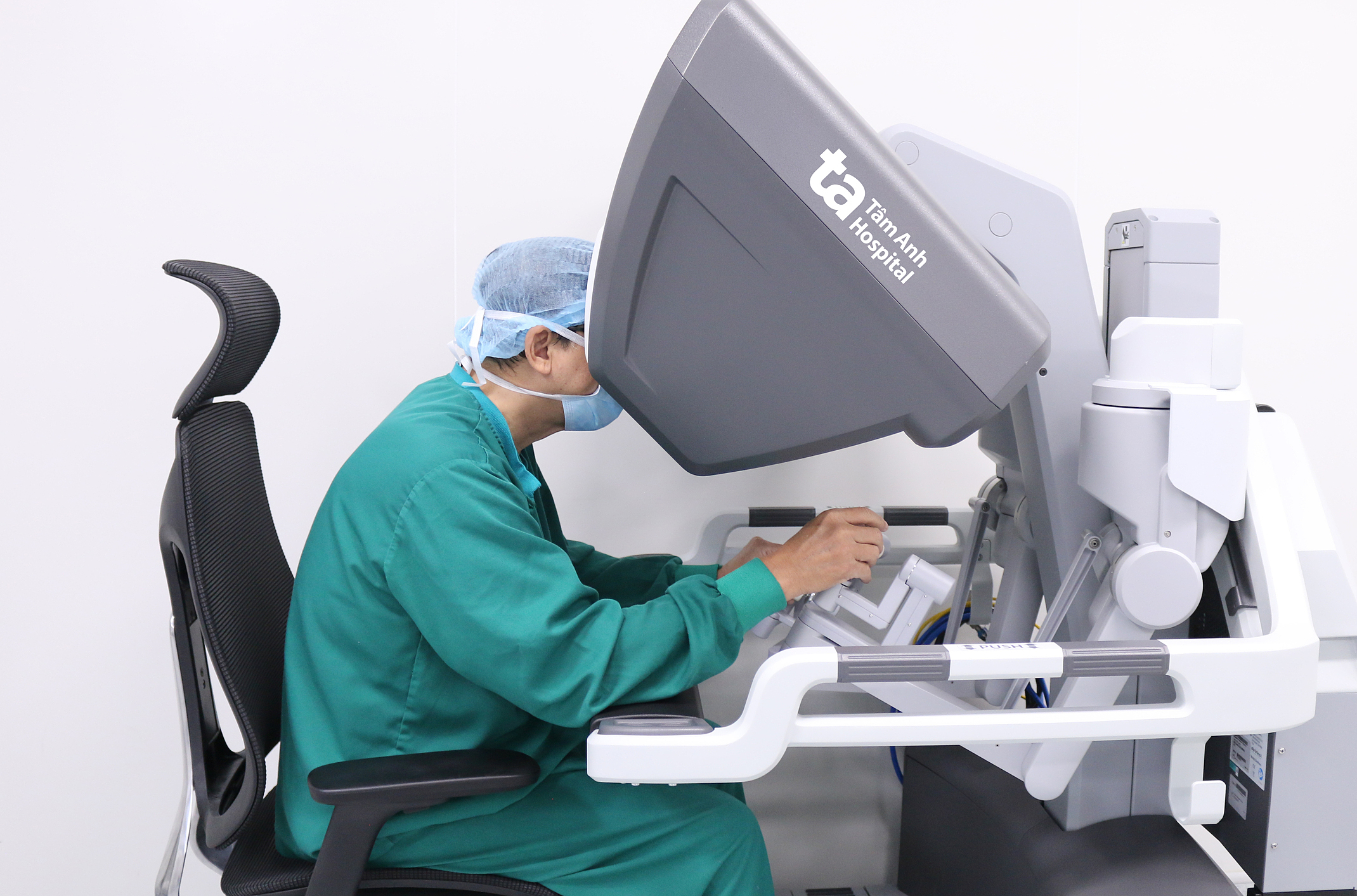 |
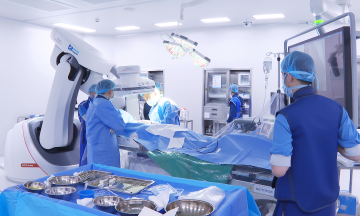
Doctor Minh Hung operates the robotic arm to resect the tumor for Mr. Luan. *Photo: Tam Anh General Hospital*
Due to Mr. Luan's advanced age and underlying conditions, including hypertension, coronary artery disease, and chronic obstructive pulmonary disease (COPD), he underwent specialized cardiac and pulmonary evaluations. These tests assessed his ability to tolerate the pressure of laparoscopic surgery with abdominal gas insufflation.
Mr. Luan underwent robot-assisted laparoscopic partial gastrectomy combined with D2 lymphadenectomy. During the procedure, surgeons found no signs of metastasis to the liver, peritoneum, or any abnormal fluid. The tumor, measuring approximately 6 cm, had not yet invaded the serosa.
Following the resection of the tumor-containing portion of the stomach, the surgical team re-established digestive continuity by connecting the stomach to the small intestine. Post-operatively, Mr. Luan recovered well, experienced minimal pain, and was able to sit up and move around on the first day after surgery.
Post-operative pathological results indicated a poorly differentiated adenocarcinoma with signet ring cell components, a type of cancer known for its faster progression. Cancer cells had invaded the submucosal layer, and three out of 17 removed lymph nodes showed metastasis. The disease was classified as stage 2A, requiring continued monitoring and supplementary treatment.
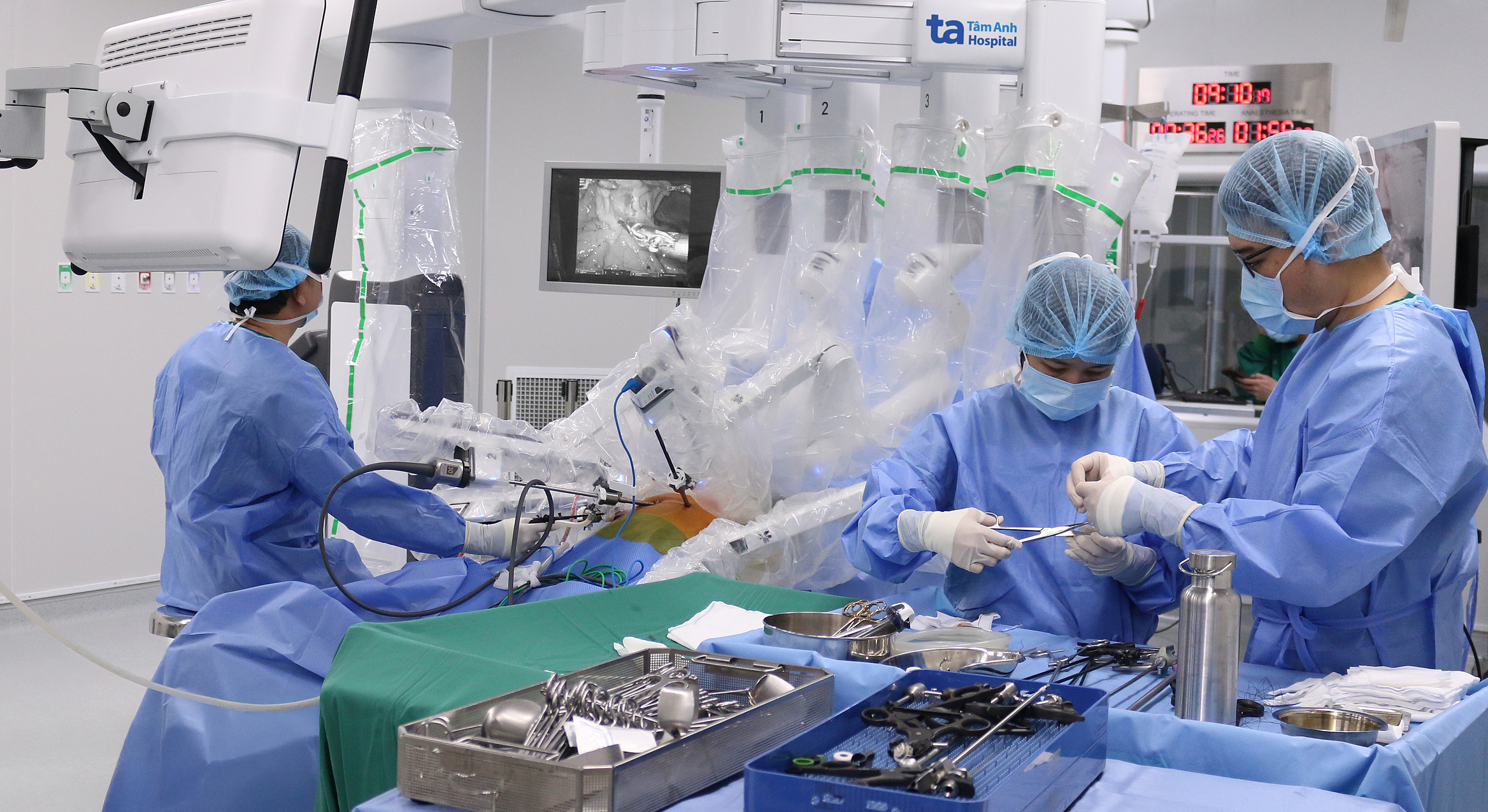 |
Surgeons use a robotic arm to dissect the tumor and perform lymphadenectomy for the patient. *Photo: Tam Anh General Hospital*
According to Doctor Hung, stomach cancer is a common disease with a high mortality rate. Helicobacter pylori (HP) infection is a significant risk factor, potentially causing chronic gastritis, ulcers, and progression to cancer. Additionally, a diet high in salt, pickled foods, grilled items, and processed foods also increases the risk of developing the disease.
Early-stage stomach cancer often presents with few symptoms, making it easily mistaken for common digestive disorders. This frequently leads to late detection, when the tumor has deeply invaded or spread to adjacent organs.
Doctors recommend that individuals over 40, especially those with HP infection, chronic gastritis, or a family history of stomach cancer, undergo regular check-ups and endoscopy for early detection of abnormalities.
Quyen Phan
*Patient's name has been changed