On 8/5, Doctor Nguyen Cam Tu, Head of Gastroenterology at Children's Hospital 2, reported that a 15-year-old patient needed emergency endoscopy. The boy experienced pain and a feeling of obstruction in his throat and chest about one day after taking medication. An esophago-gastroscopy revealed a pill, still in its blister pack, lodged in his esophagus. Its sharp aluminum edges had embedded into the mucosal lining, causing inflammation, abrasions, and bleeding.
Master Doctor Ho Quoc Phap and the endoscopy team successfully removed the foreign object in over 20 minutes using specialized tools. Fortunately, the foreign body was detected early, preventing severe complications like deep ulcers, esophageal perforation, or mediastinal infection. The patient's swallowing pain improved significantly after the procedure.
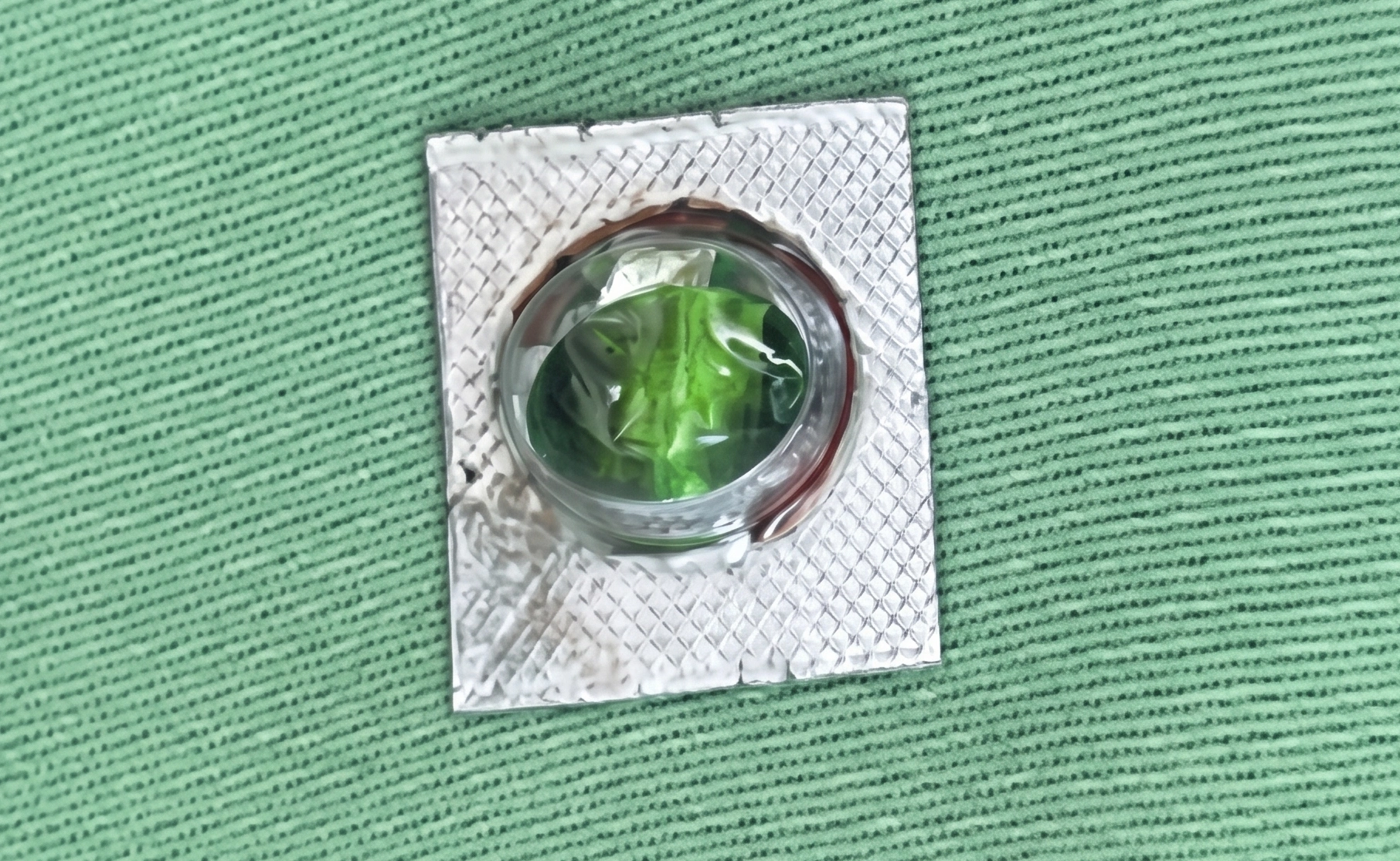 |
The unpeeled pill was removed by doctors. Photo: Hospital provided |
Doctor Tu emphasized that gastrointestinal foreign bodies are common in children. Sharp objects, such as fish bones, chicken bones, dental root canal files, button batteries, magnets, or pills still in their packaging, pose a significant risk. These items can easily become lodged and cause serious injury in the digestive tract.
Specifically, pills swallowed with their packaging have sharp aluminum and plastic edges. When these get stuck in the esophagus, they can cause pain, bleeding, and inflammation. Delayed detection can lead to esophageal perforation or mediastinal infection, which are life-threatening conditions.
Doctors advise parents to carefully inspect all medication before giving it to children, ensuring the pill is completely removed from its blister pack. They also recommend not separating individual pills from their packaging too early to avoid confusion. Additionally, children should not be allowed to take medication unsupervised.
If a child exhibits symptoms such as painful swallowing, difficulty swallowing, or neck or chest pain after taking medication, parents should seek medical attention promptly. Early detection and timely endoscopic intervention are crucial for significantly reducing the risk of dangerous complications caused by esophageal foreign bodies.
Le Phuong