Phuong had two natural pregnancies, both ending in early miscarriage. Ten years ago, she and her husband underwent in vitro fertilization (IVF), which resulted in a miscarriage, followed by another failed embryo transfer. Phuong's menstrual cycles became irregular and then ceased entirely. Due to financial constraints, they postponed infertility treatment for a long time.
 |
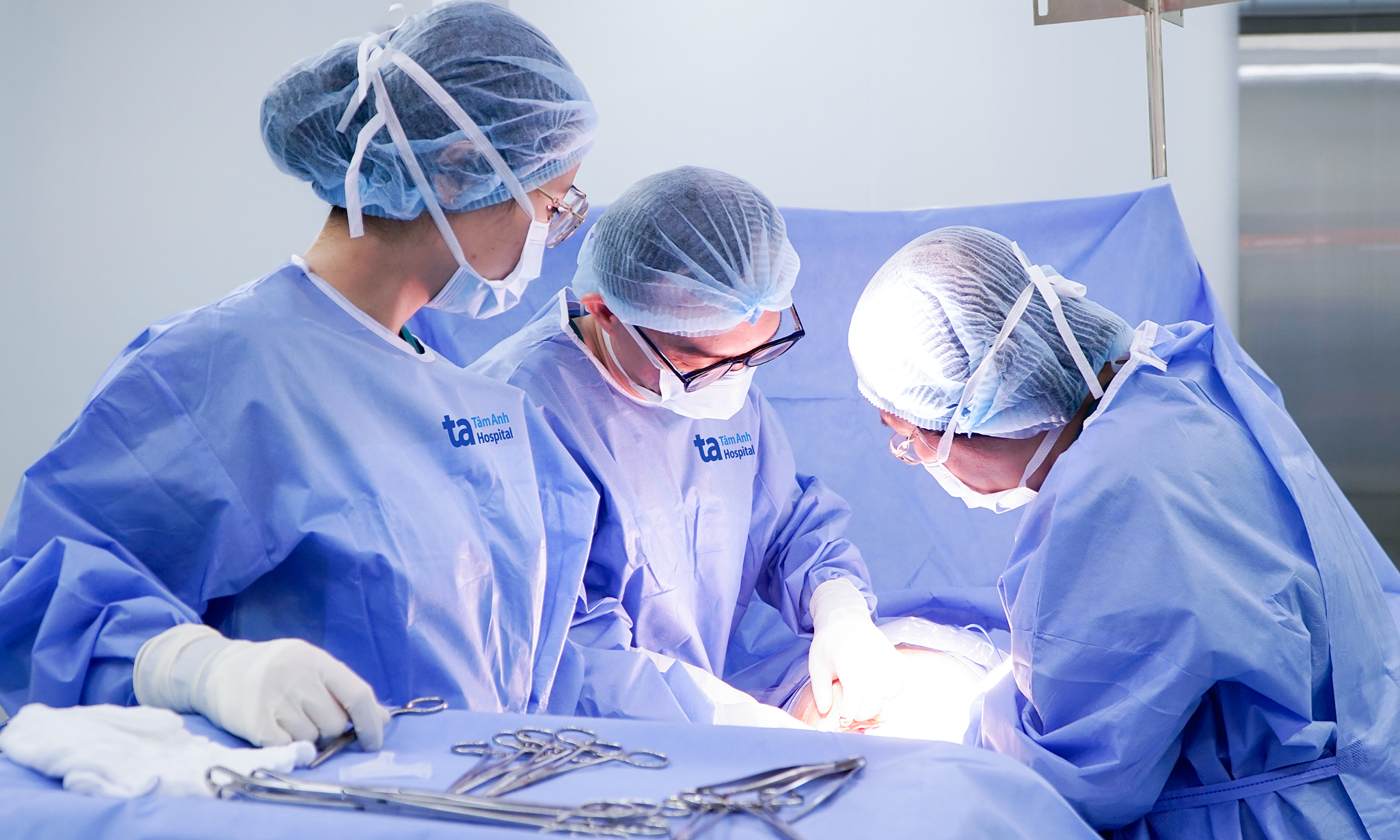
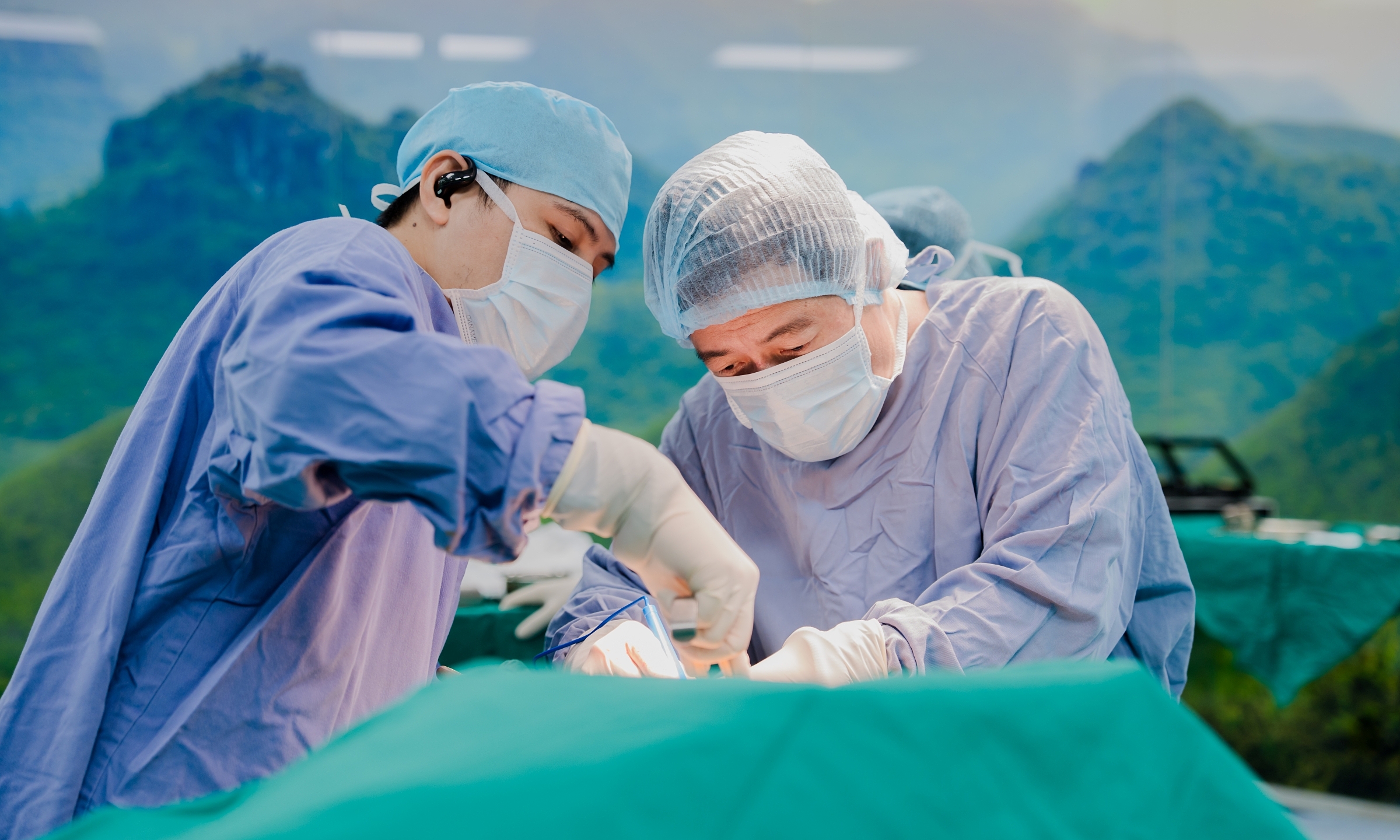
An embryologist performs intracytoplasmic sperm injection (ICSI) to create embryos for Phuong and her husband. *Photo: IVF Tam Anh*
When they visited the Center for Reproductive Assistance, Tam Anh General Hospital Ho Chi Minh City (IVF Tam Anh Ho Chi Minh City) last year, Phuong had been menopausal for five years. Her ovarian reserve (AMH) was severely depleted, measuring only 0,02 ng/mL (compared to a normal range of 1-1,5 ng/mL). An ovarian ultrasound revealed no follicles, indicating Phuong could not conceive using her own eggs.
Genetic testing revealed Phuong carried an MTHFR gene mutation, a genetic abnormality associated with hypercoagulation. During pregnancy, blood tends to form small clots in the placental vascular system, impeding the transfer of oxygen and nutrients from mother to fetus. This is considered a potential cause of miscarriage, fetal growth restriction, or stillbirth.
She also suffered from Schonlein-Henoch purpura, also known as IgA vasculitis. This condition can affect blood vessels and kidney function, increasing the risk of miscarriage, fetal growth restriction, preterm birth, and pregnancy complications such as gestational hypertension and preeclampsia.
According to Doctor of First Degree Specialization Chau Hoang Phuong Thao, Head of the Reproductive Assistance Unit and Head of the Obstetrics and Gynecology Department at Tam Anh General Hospital - District 8, these two overlapping conditions were the cause of her previous recurrent miscarriages. Her husband had normal reproductive health, so Doctor Thao advised them to seek an egg donor for in vitro fertilization, as this was the only option for them to conceive. Her 35-year-old cousin, who had four natural births, volunteered to donate eggs to help them.
After retrieving eggs from the donor, doctors obtained 10 oocytes, which were fertilized using intracytoplasmic sperm injection. Four embryos were successfully cultured, including two day-5 and one day-6 embryos. Phuong's uterus had atrophied due to menopause, so doctors prescribed medication to increase its size and prepare the endometrium to a standard thickness for embryo transfer. Phuong conceived on her very first embryo transfer.
Phuong's pregnancy was classified as high-risk due to her history of recurrent miscarriages, late stillbirth, the gene mutation linked to hypercoagulation, and Schonlein-Henoch purpura. From the beginning of her pregnancy, she was closely monitored by obstetricians and hematology specialists to manage the risk of thrombosis. Maternal and fetal health indicators were regularly monitored to detect any abnormalities promptly.
At 40 weeks, Phuong and her husband joyfully welcomed their daughter, weighing 3 kg, into the world. The remaining embryos were cryopreserved, offering them the opportunity to have more children in the future.
 |
Phuong's daughter was born after 12 years of waiting. *Photo: IVF Tam Anh*
According to Doctor Thao, recurrent miscarriages or stillbirths with no clear cause can be linked to genetic abnormalities, coagulation disorders, or underlying autoimmune diseases. A study published in the scientific journal Frontiers in Medicine in 2026, which synthesized data from nearly 48,000 women experiencing recurrent miscarriages, found that about 37% of cases had no identified cause despite extensive specialized testing. Among cases where a cause was identified, immune and coagulation disorders were among the common groups, accounting for about 12%.
Doctor Thao recommends that women not delay their childbearing plans, especially if they show signs of menstrual disorders or have a history of miscarriage. Early examination helps detect factors affecting fertility and pregnancy, increasing the chances of successful treatment. At IVF Tam Anh, cases of recurrent miscarriage, stillbirth, or multiple assisted reproductive failures undergo a comprehensive evaluation of genetic, endocrine, immune, coagulation, and reproductive health factors to identify the cause, and subsequently develop appropriate treatment and monitoring protocols.
Nguyet Nhi
* Character's name has been changed
| The Tam Anh General Hospital system is implementing the "Nha Via Bau Vang - Support up to 10 million VND" promotional program for infertile couples undergoing in vitro fertilization (IVF) across its entire system from now until 9/7/2026. See more information here. |