Ginger, onion, garlic, chili, black pepper, cinnamon, and turmeric help stimulate heat production, increase blood circulation, and boost metabolism to keep the body warm.
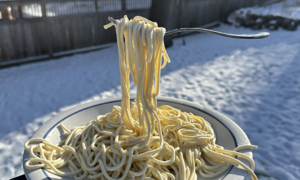
A video featuring a fork suspended by frozen spaghetti in -29 degrees Celsius weather, shared by Fox 9 weather editor Jennifer McDermed, has garnered nearly 10 million views.
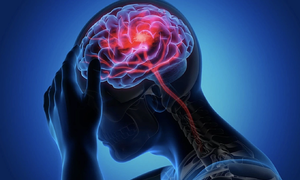
Sudden temperature changes force the heart to work harder, make the respiratory system susceptible to viral invasion, and increase the risk of stroke by affecting the brain.
My child often gets sick in cold weather; after taking medicine, they still cough, have a fever, runny nose, and take a long time to recover. How can I care for them and boost their immunity? (Minh Anh, TP HCM)
Cold weather causes blood vessels to constrict, blood becomes thicker and circulates with difficulty, leading to increased blood pressure and a higher risk of stroke, especially in the elderly and those with underlying medical conditions.
Waking up in the early morning, using the restroom at night, and bathing are the three times when strokes are most likely to occur, requiring vigilance.
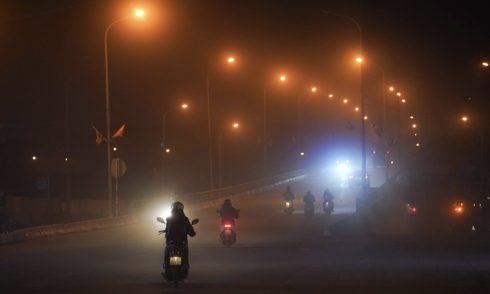
Nighttime temperature inversion elevates fine dust concentrations, which, combined with freezing weather, constricts blood vessels, putting residents at a "pincer" risk of stroke and myocardial infarction.
Foods rich in magnesium, omega-3, and B vitamins, such as fatty fish and nuts, can help dilate blood vessels, stabilize nerve transmission, and reduce headaches in cold weather.
With deeply falling temperatures in the north, I have a habit of drinking a lot of alcohol to warm my body and regulate my temperature. Is this harmful? (Tien, 37, Hanoi)
Some of my young, healthy acquaintances, with no underlying conditions, suffered a stroke when the weather turned cold; why is this happening? (Hoang, 35, Hanoi)