Diarrhea is a common digestive disorder affecting all age groups. It often results from bacterial or viral intestinal infections due to unhygienic food and drink. Prolonged antibiotic use can also disrupt gut microbiota balance, leading to diarrhea. Symptoms include passing loose stools three or more times a day, potentially accompanied by abdominal pain, bloating, nausea, or fatigue.
Specialist Doctor Level II Nguyen Thi Thu Hai, from the Department of Gastroenterology, Hepatology, Biliary, and Pancreatic Medicine at Tam Anh General Clinic District 7, offers guidance on several natural ways to manage mild diarrhea:
Rehydration and electrolyte replenishment
Dehydration and electrolyte imbalance are common with diarrhea, especially in children and the elderly. Patients should rehydrate immediately upon symptom onset, prioritizing correctly prepared oresol solutions or equivalent electrolyte replacement fluids.
Patients can also drink plain water, broth, or diluted fruit juice to provide potassium and other essential minerals. On average, patients should drink at least one glass of water after each bowel movement to replace lost fluids. Avoid carbonated soft drinks or sugary beverages, as they can worsen symptoms.
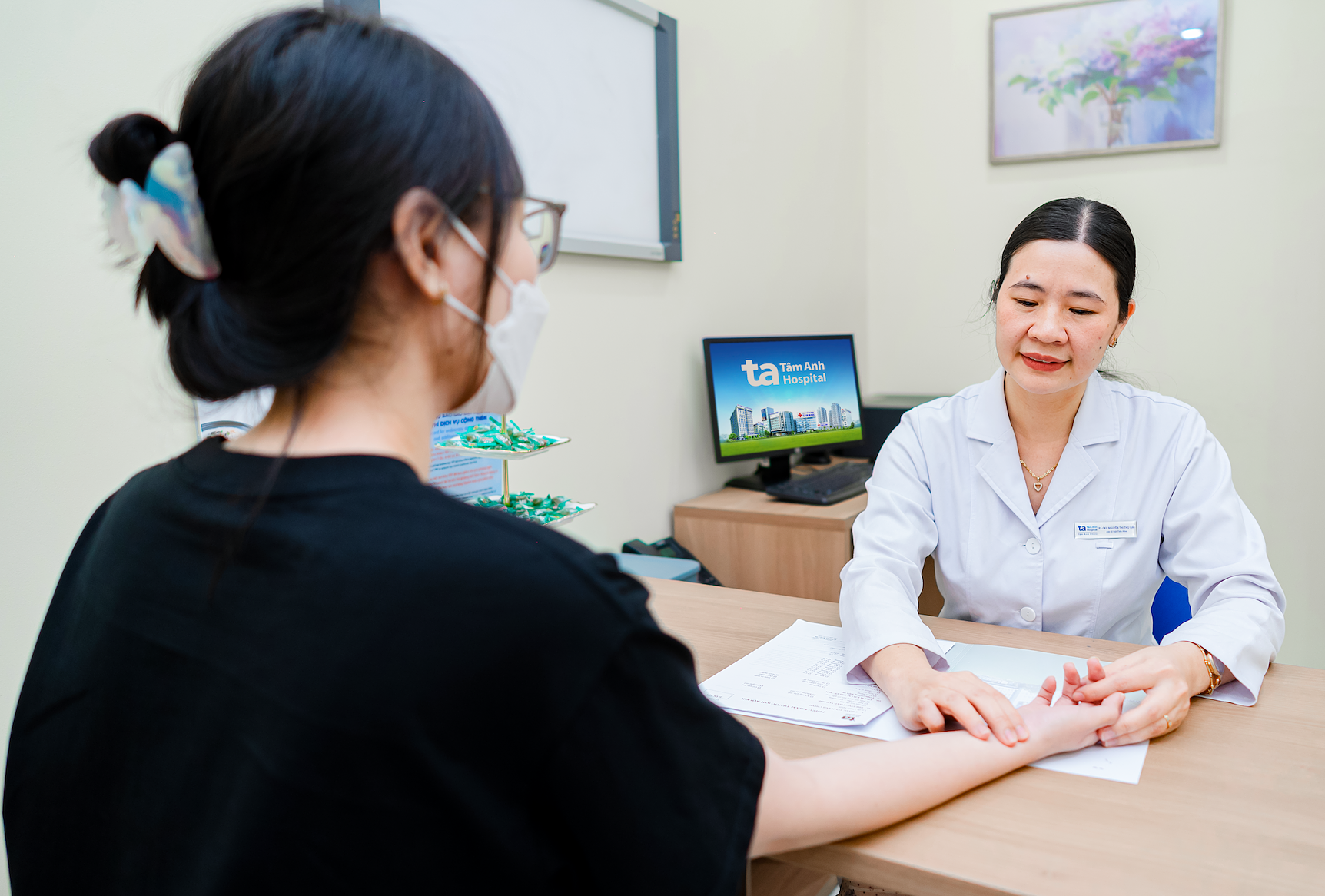 |
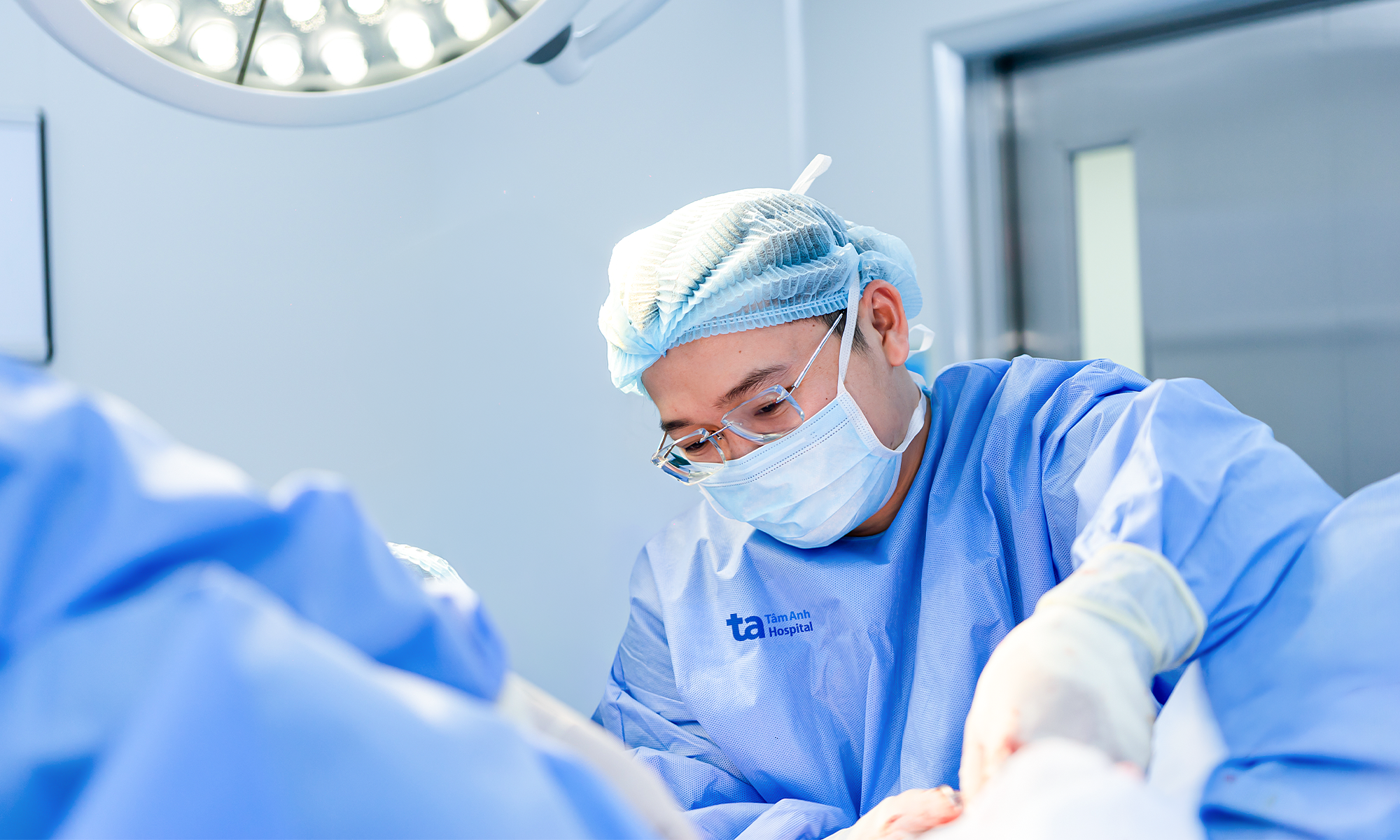
Doctor Hai examines a patient. *Photo: Tam Anh General Hospital* |
Rest and monitor for dehydration signs
Patients should apply a warm compress to the abdomen to reduce intestinal cramps. During self-monitoring, watch for signs of dehydration such as infrequent urination, dark urine, excessive thirst, dizziness, dry skin, or confusion. If these symptoms appear, patients should seek medical attention for assessment and timely fluid replacement.
Dietary adjustments in the first 24 hours
In the initial phase, patients should eat soft, easily digestible foods like porridge, soup, soft rice, or toast, dividing meals into smaller portions to reduce strain on the digestive system. Limit greasy, spicy, or sugary foods, as they can stimulate bowel movements. Avoid alcohol and coffee during recovery. After symptoms improve, patients can gradually increase soluble fiber intake to support gut microbiota recovery.
Doctor Hai states that most cases of acute diarrhea improve within one to two days with proper care. However, adults should seek medical attention if diarrhea lasts longer than two days or is accompanied by symptoms such as fever, persistent vomiting, severe abdominal pain, bloody stools, or signs of dehydration. If children experience prolonged diarrhea or abnormal signs, they should be taken for examination promptly to prevent severe dehydration.
In some cases, doctors may prescribe over-the-counter medications to manage symptoms. Commonly used medications include those that reduce bowel motility or protect the intestinal lining; however, these can interact with medications for underlying conditions. Therefore, patients should consult a doctor or pharmacist before using anti-diarrhea medications.
Thao Nhi
| Readers can submit questions about digestive diseases here for doctors to answer |