According to doctor Huynh Tran An Khuong, a medical specialist at the VNVC Vaccination System, the majority of people were bitten or scratched by dogs and cats while feeding, playing, or visiting relatives and friends during Tet. Some individuals were bitten by monkeys while traveling. These individuals sought immediate rabies prevention.
VNVC Thanh Tri, Hanoi, notably recorded many young children brought by their parents for rabies vaccinations. Ms. Thuy, mother of two-year-old Bao Khanh, stated that her child was bitten on the hand by a dog, causing bleeding, when trying to feed the animal a cake during the family's New Year's Eve rituals.
"I often read the news and know rabies is dangerous, so the next day my husband and I took our child to the hospital for vaccination. We then returned to VNVC for subsequent doses because it is closer to home," Ms. Thuy said.
On the morning of the 5th day of Tet, Ms. Minh Tuyet, 30 years old, residing in Tan Binh ward, TP HCM, also visited VNVC Hoang Van Thu for a rabies vaccination. She recounted that around 9 PM the previous night, while giving deworming medicine to her 4 cats, one bit her finger, causing bleeding.
 |
Ms. Tuyet receives a rabies vaccine after being bitten by her pet cat, causing bleeding. Photo: Hoang Duong
"This cat is the fiercest in the house. Although the cat had been vaccinated against rabies, I still received the vaccine to ensure my safety," Ms. Tuyet stated.
Ms. Tuyet had previously received a new generation rabies vaccine and rabies immunoglobulin 7 years ago after a dog bite. This time, the doctor prescribed two additional vaccine doses on days 0 and 3, without the need for immunoglobulin, despite the finger wound being a high-risk location due to its many nerve endings.
Beyond incidents involving dogs and cats, VNVC centers also reported several people bitten by monkeys while traveling during the Tet holiday.
Doctor Khuong explained that this year's Tet holiday spanned 9 days, leading many people to travel and visit across various provinces and cities. This increased the likelihood of bites and scratches from dogs and cats, particularly as stray dogs remain common in rural areas and urban alleys. Even household pets can bite or scratch if provoked.
Doctor Khuong advised that all warm-blooded mammals carry the risk of transmitting the rabies virus. Once symptoms appear, the disease is 100% fatal.
Public awareness regarding the dangers of rabies has significantly increased, leading more people to seek preventive vaccinations after being bitten or scratched by warm-blooded mammals. However, the extended Tet holiday presented challenges for many seeking timely rabies vaccinations, with some arriving at VNVC on the second or third day after being bitten.
"Everyone should note that this is an emergency situation. You can visit the nearest reputable medical facility for wound assessment and vaccination recommendations," the doctor emphasized.
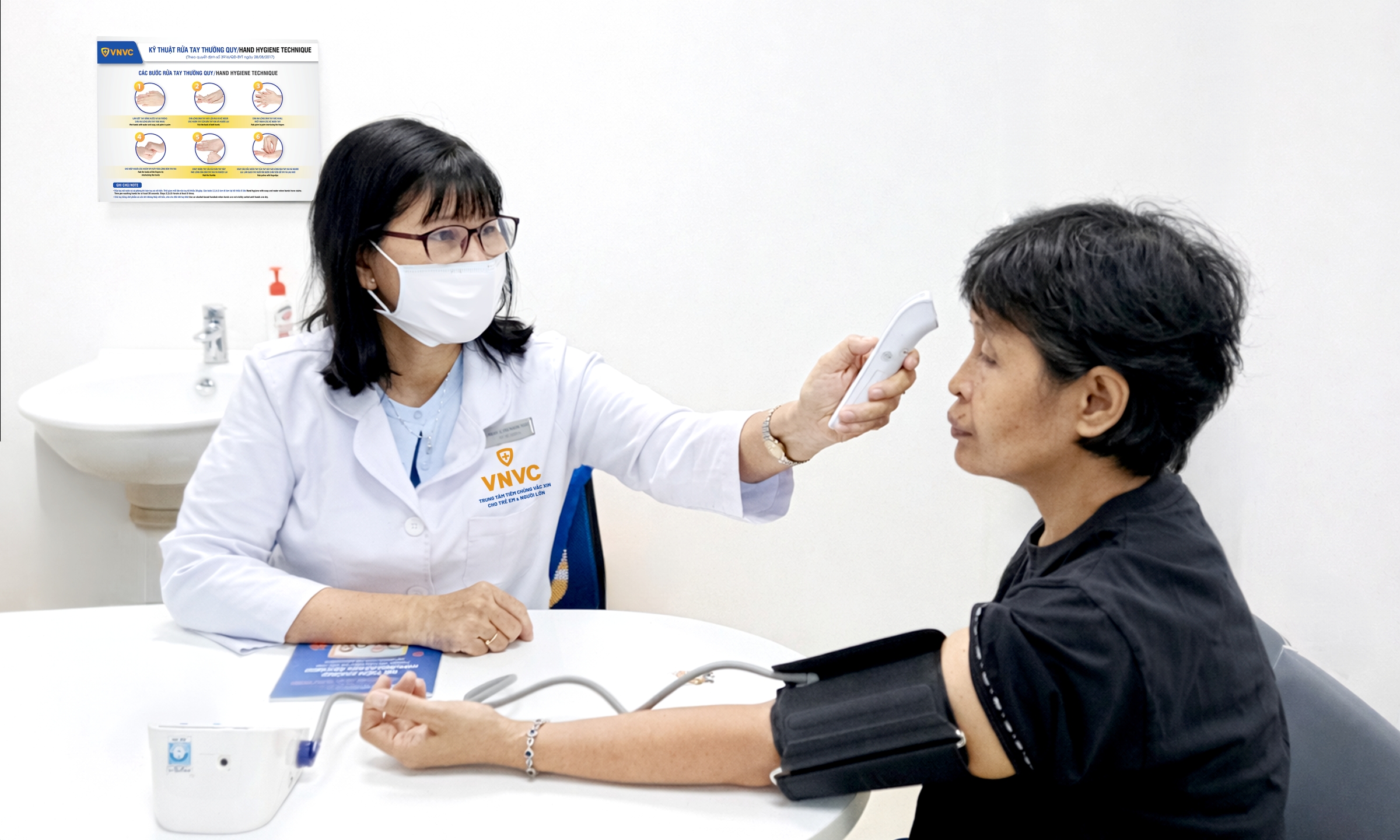 |
A woman comes to VNVC for rabies vaccination after being bitten by a dog. Photo: Hoang Duong
Doctor Khuong also reminded everyone to strictly adhere to the rabies vaccination protocol, which includes the vaccine regimen and additional immunoglobulin if necessary. It is crucial not to squeeze blood, rub the wound vigorously, or apply unverified traditional remedies like leaves.
The current rabies vaccine is a new generation type, produced using vero cell technology, ensuring high purity and safety. It can be administered for pre-exposure prophylaxis to create early protective antibodies.
In addition to vaccination, individuals should practice proper first aid if bitten, scratched, or licked by a warm-blooded mammal. The steps include: washing the wound under running water with soap for at least 15 minutes; then disinfecting the wound and proceeding to the nearest vaccination center for a doctor to assess the wound and prescribe vaccination.
Hoang Duong