Dr. Nguyen Thi Hong Oanh, from the Female Urology Unit, Urology - Nephrology - Andrology Center, Tam Anh General Hospital, Ho Chi Minh City, stated that Ms. Lieu's uncontrolled urination could be linked to obesity, which increases abdominal pressure, diabetes, and a weakened urethra. Her continuous use of diapers kept her genital area constantly moist, allowing bacteria and fungi to invade, causing inflammation, swelling, and redness.
Dr. Oanh prescribed simultaneous treatment to control fungal and urinary tract infections, stabilize blood sugar, and perform a transobturator tape (TOT) surgery for the patient. The thin tape, made of non-absorbable synthetic material, is approximately 1,5 cm wide. This minimally invasive surgery prevents the urethra from excessive movement when abdominal pressure increases, effectively stopping urinary incontinence.
 |
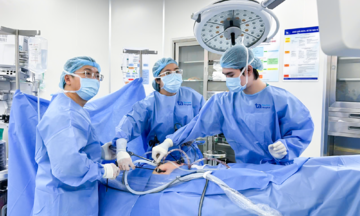
Dr. Oanh (center) and her surgical team treat Ms. Lieu for urinary incontinence. Photo: Tam Anh General Hospital |
Post-surgery, Ms. Lieu recovered quickly, experienced no pain at the incision site, and was discharged after two days. The patient needs to focus on wound care, weight management, and diabetes control to prevent recurrent infections, and avoid heavy lifting.
According to Dr. Oanh, TOT surgery is considered an optimal method for treating stress urinary incontinence in women due to its high effectiveness, minimal invasiveness, fast recovery time, and significant improvement in patients' quality of life.
To prevent urinary incontinence, women should maintain a healthy weight, effectively manage chronic diseases, perform regular pelvic floor exercises, treat constipation, limit coffee and alcohol, urinate at regular intervals, and avoid heavy lifting. If symptoms such as painful or frequent urination, cloudy or foul-smelling urine, or persistent itching or burning in the genital area occur, patients should seek timely diagnosis and treatment at a hospital.
Ha Thanh
*The patient's name has been changed