Human papillomavirus (HPV) may not cause any symptoms. Many individuals infected with HPV are unaware they carry the virus until routine screening or when symptoms become evident.
HPV is primarily transmitted through sexual contact and direct skin or mucous membrane exposure. The virus can exist silently in the body without causing noticeable reactions. In most cases, the immune system can control or eliminate the virus within several months to several years without leaving any signs. However, if the virus is not cleared, especially with high-risk types or in individuals with compromised immunity, HPV infection can progress and lead to lesions.
The most typical symptom of HPV is the appearance of warts. Genital warts often resemble cauliflower, are soft, and can appear individually or in clusters, sometimes causing itching, burning, or discharge. HPV can also cause warts on the hands, feet, or other skin areas, depending on the virus type. For high-risk HPV types, initial manifestations are often subtle, but in the long term, they can lead to pre-cancerous lesions or cancer.
In females, signs may include genital warts on the vulva, vagina, cervix, or around the anus, along with itching, burning in the intimate area, unusual discharge, or odor. As the disease progresses, especially in cases related to cervical cancer, patients may experience abnormal vaginal bleeding, pain during intercourse, pelvic pain, or systemic symptoms like fatigue and weight loss.
In males, most cases also show no clear symptoms. When manifestations occur, they are often warts or papules on the penis, scrotum, groin, or around the anus, which can cause itching, discomfort, and sometimes bleeding upon contact. Other cases may involve penile, anal, or oropharyngeal cancer.
 |
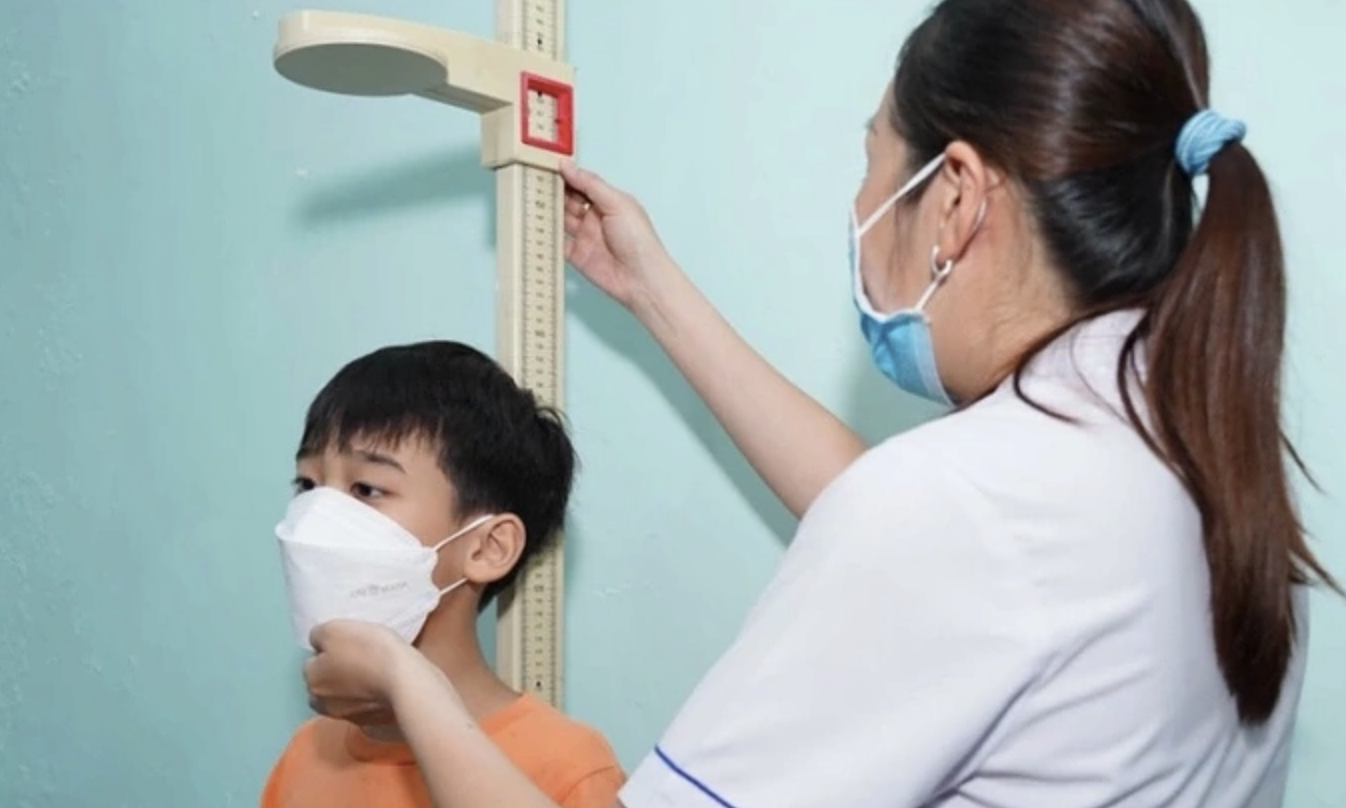
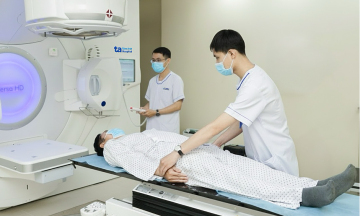
Individuals infected with HPV may not show symptoms, but long-term infection can lead to pre-cancerous lesions or cancer. Illustration: Vecteezy |
Detecting HPV infection primarily relies on screening. For females, Pap smear tests and HPV tests help detect cervical abnormalities early. For males, there is currently no widespread screening test; detection is often based on clinical examination when suspicion arises.
To prevent HPV-related diseases, individuals should practice safe sex, use condoms correctly, limit the number of sexual partners, maintain a healthy lifestyle, boost immunity, and avoid smoking. Vaccination is currently recommended as the most effective prevention method, offering over 90% efficacy if fully administered.
Currently, Vietnam offers two types of HPV vaccines: Gardasil, administered to females aged 9-26, and Gardasil 9, administered to males and females aged 9-45. For the Gardasil vaccine, girls aged 9 to under 14 require two doses administered 6-12 months apart, while individuals aged 14-26 require three doses. For the Gardasil 9 vaccine, children aged 9 to under 15 require two doses administered 6-12 months apart. Individuals aged 15-45 require three doses within 6 months.
Dr. Ngo Thi Kim Phuong
(Medical Manager, VNVC Vaccination System)