Estrogen is a crucial hormone in women's bodies. It regulates reproductive functions, maintains bone density, and impacts cardiovascular health, skin, and mood. When its levels decline, the body can exhibit various noticeable changes.
Dry skin
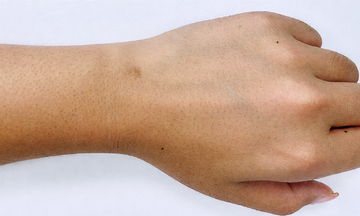
Dry, flaky skin often signals low estrogen. This hormone helps maintain skin elasticity and moisture, stimulating collagen and natural oil production to keep skin smooth. When estrogen decreases, skin loses hydration, thins, and is prone to wrinkles and dullness.
Thinning hair
Estrogen extends the hair's growth phase. When this hormone decreases, such as during perimenopause and menopause, hair may become thinner and shed more. However, hair loss can also stem from other causes, including iron deficiency, thyroid disorders, stress, or genetics.
Frequent night sweats
These are typical symptoms often associated with menopause. However, younger women with low estrogen levels can also experience this condition. Sudden hot flashes or excessive sweating indicate a hormonal imbalance.
Persistent fatigue
Low estrogen levels can reduce energy, leaving women feeling tired all day despite adequate sleep. This decline affects energy metabolism, causing difficulty concentrating.
Abdominal weight gain
Low estrogen hormone influences fat distribution in the body. Women may gain weight, especially in the abdominal area, even without significant changes in diet or exercise.
Weakened bones
Estrogen helps maintain bone density. When this hormone's levels drop, bones can become brittle, leading to fractures or early signs of osteoporosis. Frequent joint pain also serves as a warning sign.
Dry eyes and mouth
A decline in estrogen can affect the body's ability to retain moisture, causing some women to experience dry eyes or a dry mouth. However, if symptoms persist, women should seek medical attention to rule out other causes.
Mood changes
Hormones like estrogen affect neurotransmitters that regulate mood in the brain. If you feel irritable, anxious, or emotionally unstable, low estrogen levels could be the cause.
Irregular periods
Estrogen plays a crucial role in regulating the menstrual cycle. Abnormal menstrual changes may relate to a hormonal imbalance, but a doctor's visit is necessary to determine the specific cause.
By Le Nguyen (According to The Times of India)
| Readers can submit questions about obstetrics and gynecology here for doctors to answer. |