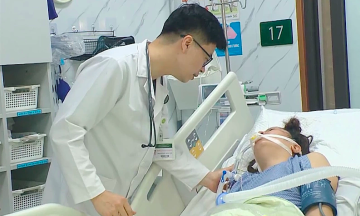
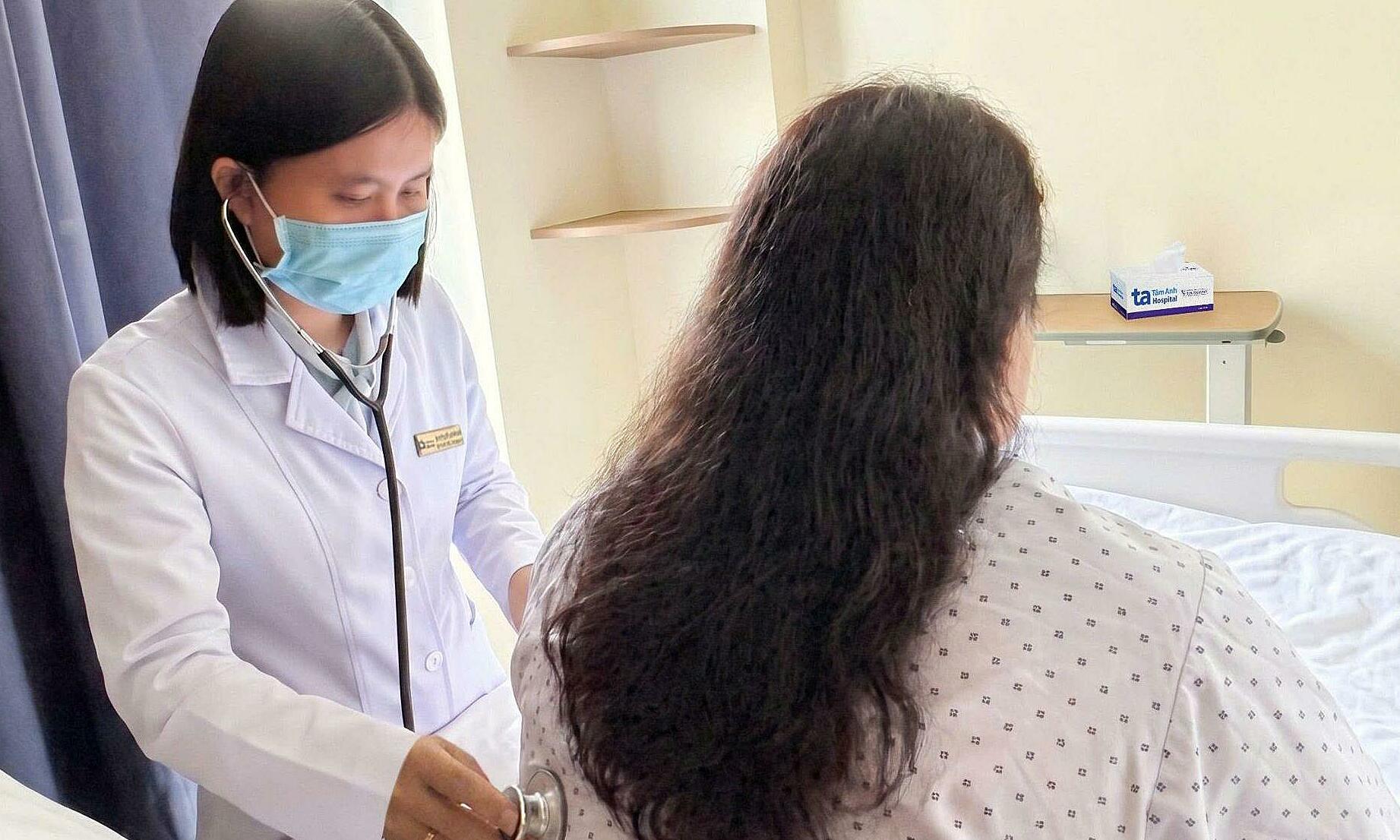
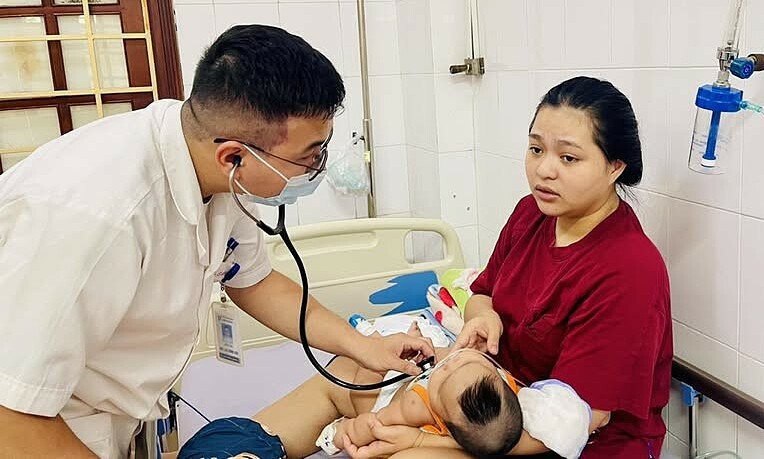
Five months ago, Tham experienced symptoms such as prolonged menstrual bleeding, abdominal pain, and the appearance of a soft, pink bump in her intimate area, accompanied by itching and burning. She underwent a gynecological examination at a hospital and was diagnosed with uterine fibroids and genital warts. The office worker was prescribed medication and follow-up for her uterine fibroids, and electrocautery for the now-large genital wart. Throughout her treatment, Tham received encouragement from her boyfriend and adhered to her doctor's regimen, leading to her condition gradually resolving completely without recurrence.
According to doctor Ngo Thi Ti Gon, a screening doctor at VNVC Hiep Binh Phuoc Immunization Center, patients like Tham, who are accompanied by loved ones, experience reduced stress, leading to more effective treatment. The doctor has advised many infected individuals who, with family support during examinations and engagement in stress-relieving activities such as traveling, watching movies, or going on picnics together, saw their recovery time shortened. Many young people are also showing increased interest in prevention, getting vaccinated together to protect their health.
 |
Patient support and understanding from a partner during treatment can reduce stress, helping the body eliminate the virus sooner. *Illustration: Vecteezy* |
Doctor Ngo Thi Ti Gon states that genital warts (condyloma acuminata) are caused by the human papillomavirus (HPV), with common types being 6 and 11. The disease is easily transmitted through sexual intercourse, skin-to-skin contact, from mother to child, and less commonly through sharing personal items. Currently, the most common transmission route is sexual intercourse. Statistics from Ho Chi Minh City Dermatology Hospital in 2024 show that among 71,000 patients examined for sexually transmitted infections, over half, more than 36,000 cases, had genital warts.
Genital warts have an incubation period ranging from two weeks to eight months. During this stage, infected individuals show no symptoms and can easily transmit the pathogen to their partners, especially their spouse. If left untreated or treated incorrectly, the disease can lead to many complications: infections, bleeding, and an increased risk of developing cancer for both men and women, such as cervical, vulvar, vaginal, and oropharyngeal cancers. Recurrence is frequent, particularly in immunocompromised individuals, those who are unvaccinated, or those who have received incorrect treatment.
Frequent recurrence of genital warts also affects sexual relationships and quality of life, causing patients to feel self-conscious and insecure. Therefore, individuals with the condition need to monitor their health, strengthen their immune system, undergo regular check-ups, and adhere to their doctor's treatment plan.
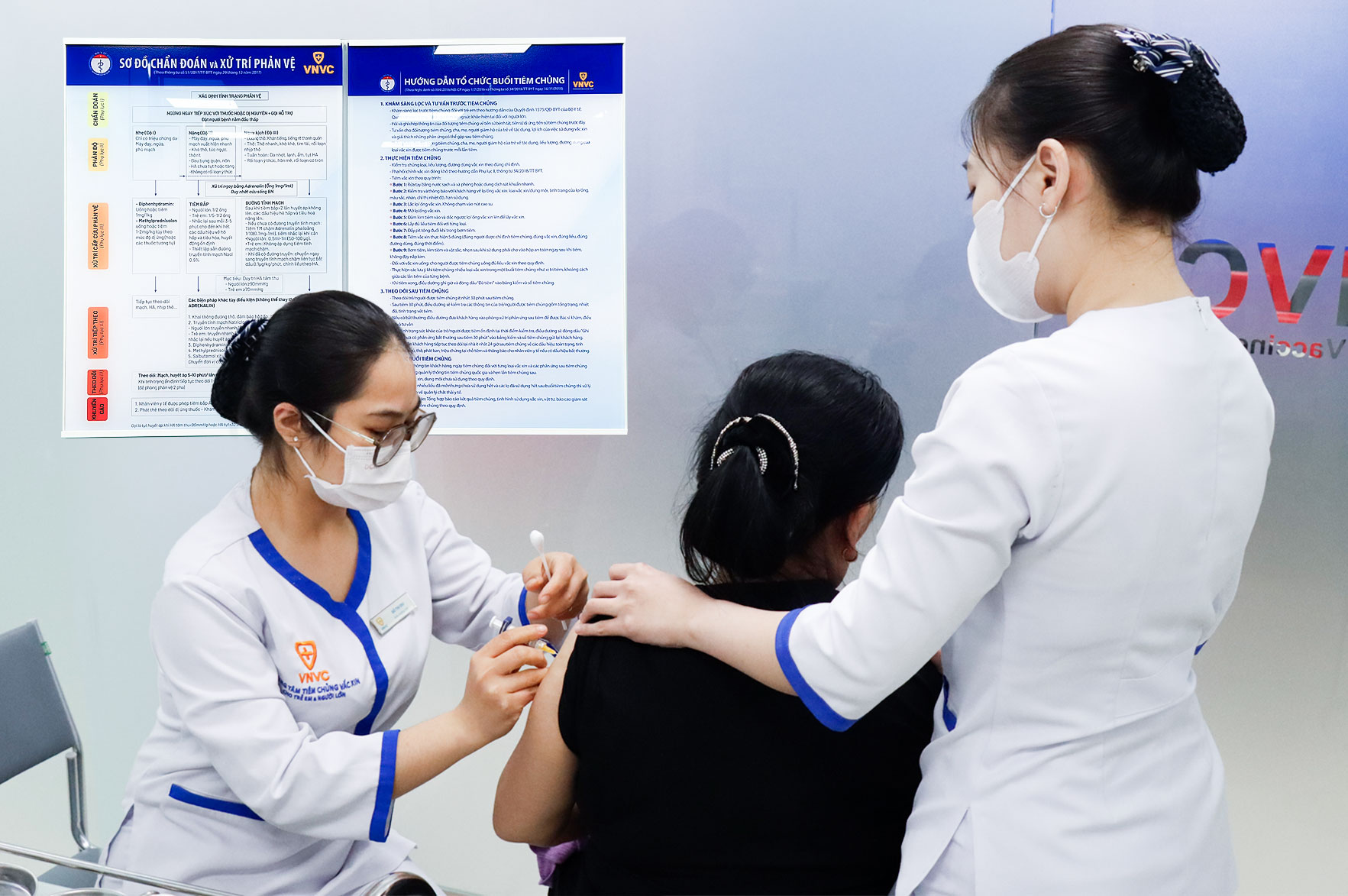 |
People receiving disease-preventing vaccines at the VNVC Immunization System. *Photo: Dieu Thuan* |
A vaccine is currently available for prevention, offering over 90% protection for both men and women. While the vaccine does not treat existing disease, it helps activate an immune response, preventing those with genital warts from contracting additional HPV strains that could lead to cancer and recurrent genital warts. Therefore, individuals who have already contracted genital warts still need vaccination to protect against uninfected types of the virus and prevent re-infection with types already contracted after they are cleared from the body.
Vietnam currently has two types of HPV vaccines: Gardasil (protects against four types: 6, 11, 16, 18), administered to females aged 9-26; and Gardasil 9 (protects against nine types: 6, 11, 16, 18, 31, 33, 45, 52, 58), administered to males and females aged 9-45. For the Gardasil vaccine, girls aged 9 to under 14 years only require two doses, administered 6-12 months apart, while individuals aged 14-26 receive three doses. For the Gardasil 9 vaccine, children aged 9 to under 15 years only receive two doses, administered 6-12 months apart. Individuals aged 15-45 receive three doses within six months.
Tuan An
*Character name has been changed